Jude Loza
I've always wanted to use technology to enable people, whether that's communication, learning, personal growth, financial gain, or lab automation.
- 18. Grew up in Pomona, CA. Live in Upland, CA.
- Around 80 hours a week at Dorna Robotics, a lab automation company. 30 to 40 hours a week on Get Real, my own company.
- Put off attending top schools to keep working.
- Stanford Online High School.
My parents, Tina and Julio, started an IP law firm. My dad is a Peruvian immigrant. My mom is the daughter of Egyptian and Greek/Sudanese immigrants. My dad also builds for fun, which is where the house came in.
Get Real
Founder and president
Get Real is my top priority right now. It's an AI financial coaching app. Most money apps either aggregate your data into a dashboard or give you a chatbot. Get Real connects to your accounts, diagnoses what's actually going on (whether your income covers your life, what order to pay debts in, where you're overpaying on rates and insurance), builds a plan with you, and then coaches you on it every day. They show you the data. We show you the way forward.
It started as a card idea. I moved to connecting the accounts people already have first, and the card is a future phase. I want to grow this to the next level of personal finance, not another budgeting app.
We only recommend a partner product if it genuinely benefits the user.
It's four of us now: me and three phenomenal interns. I've been very lucky to find and attract hardworking and dedicated people.
Built with: Expo / React Native app, Flask backend, AWS Bedrock.
Screenshots and a demo video are coming.
Dorna Robotics
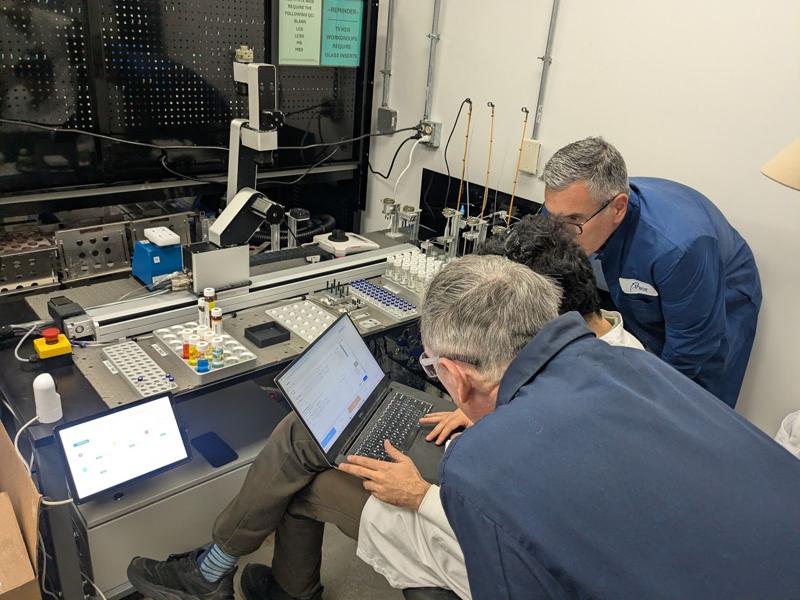
Third employee, since the summer after my sophomore year. Machine vision, calibration, software, product development, machining, sales, and trade shows.
When I joined, Dorna had been around for six or seven years and revenue was in the low six figures. It's been very hard, but we've been able to pivot fast and try different markets, and when we found lab automation as our market we grew by innovating really fast. We went from a company that was essentially just doing R&D to a legitimate company with active success and growth plans on the business side too, not to mention ever-improving tech. We've built hundreds of robot arms.
Trying education first
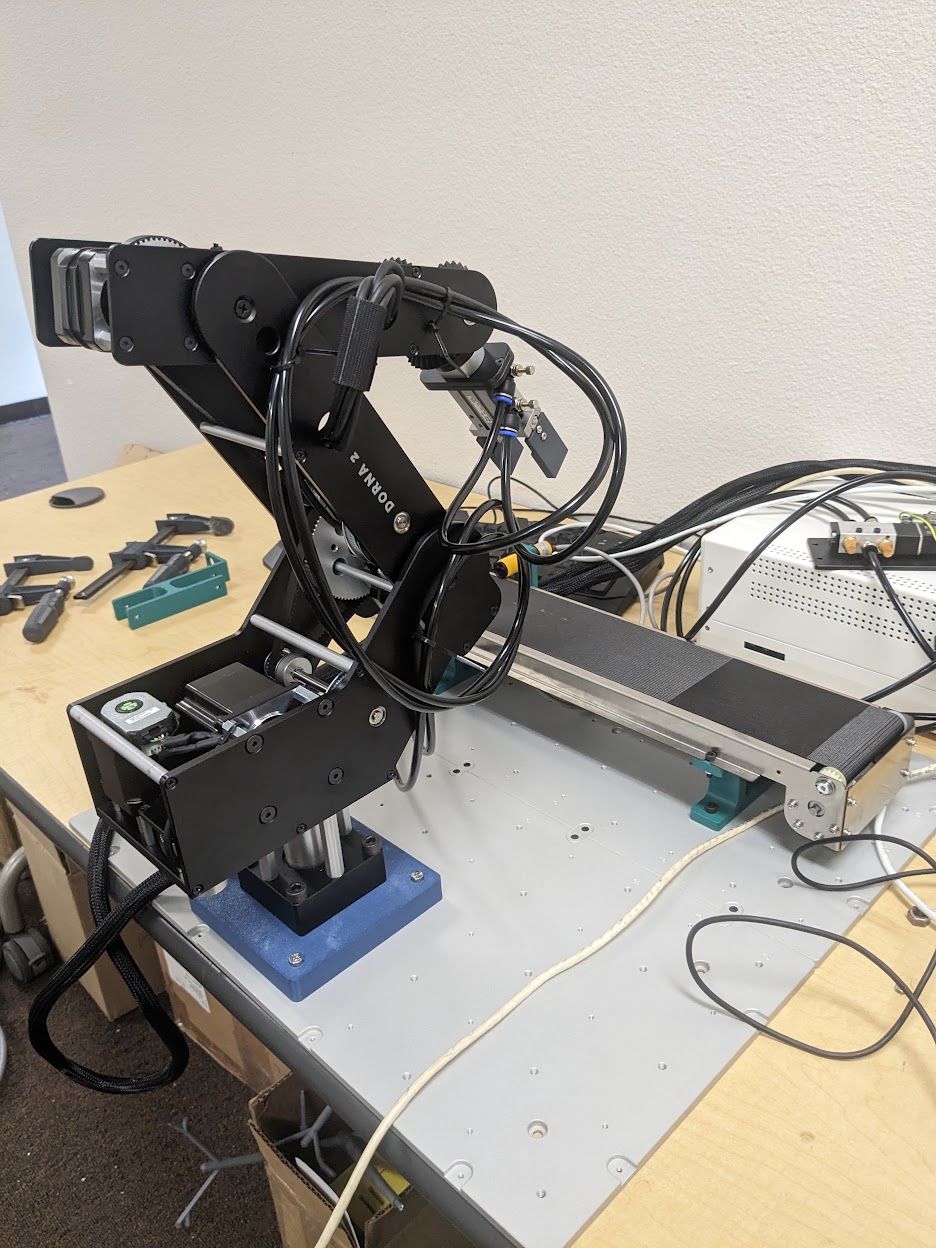
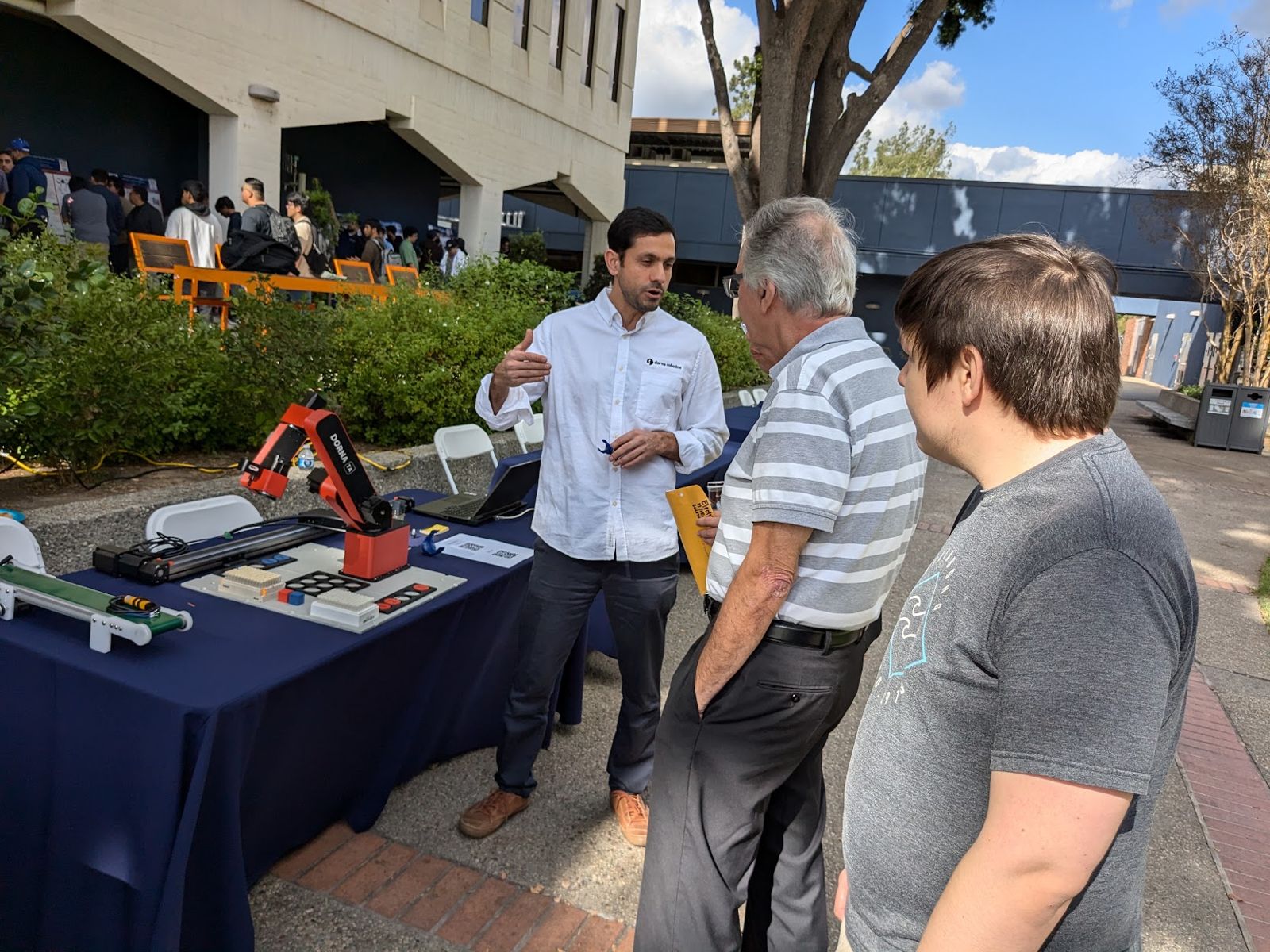
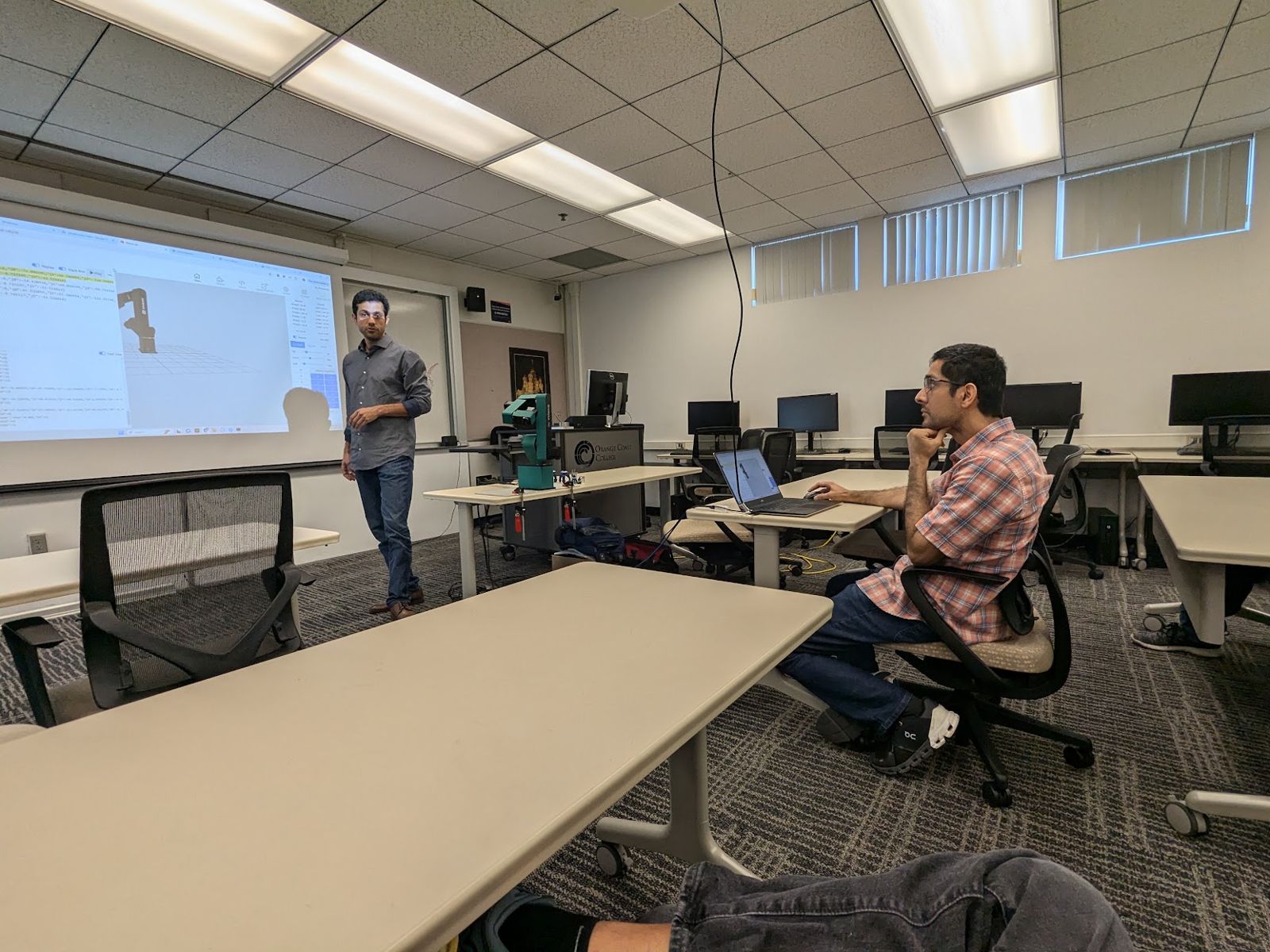
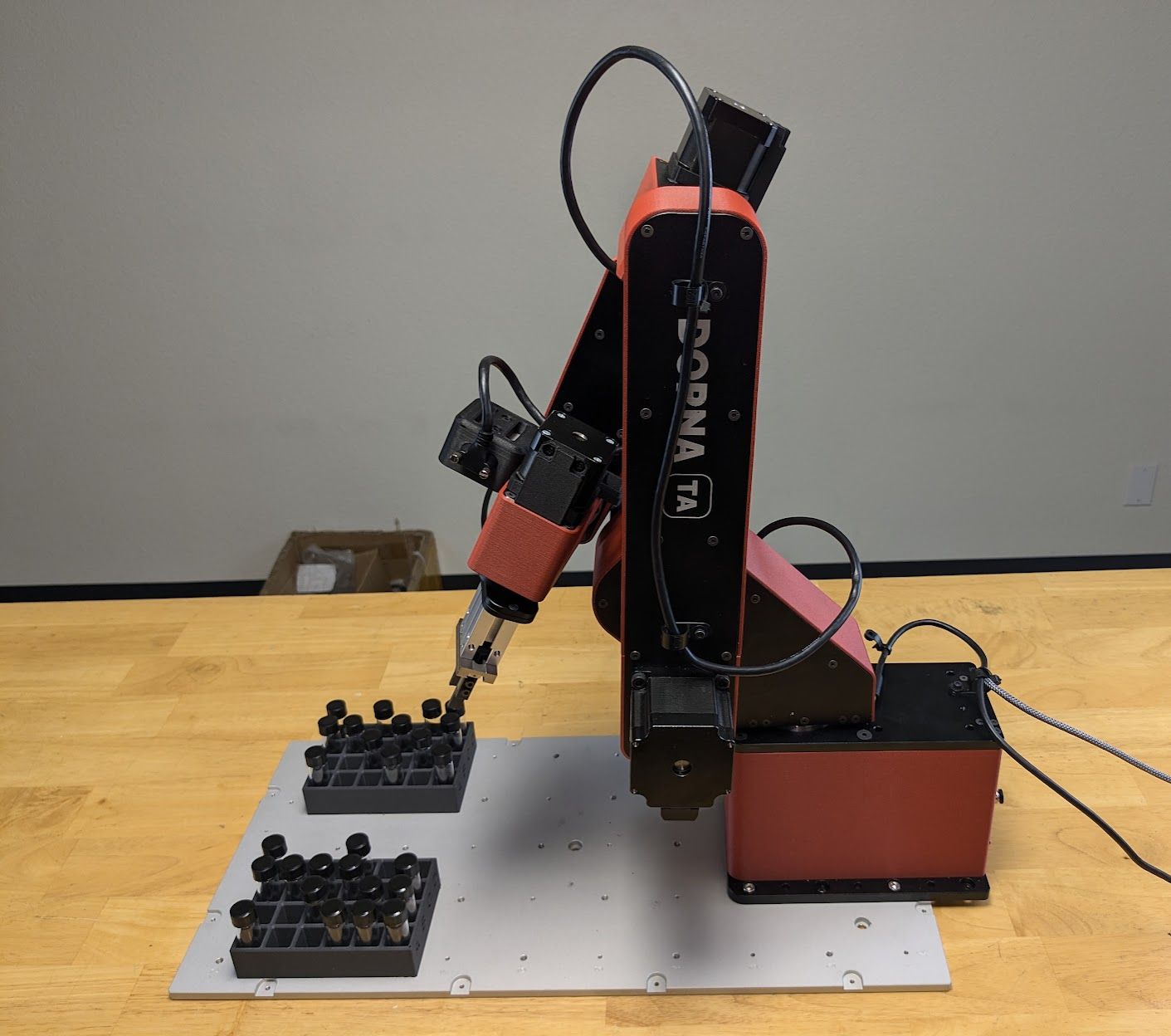
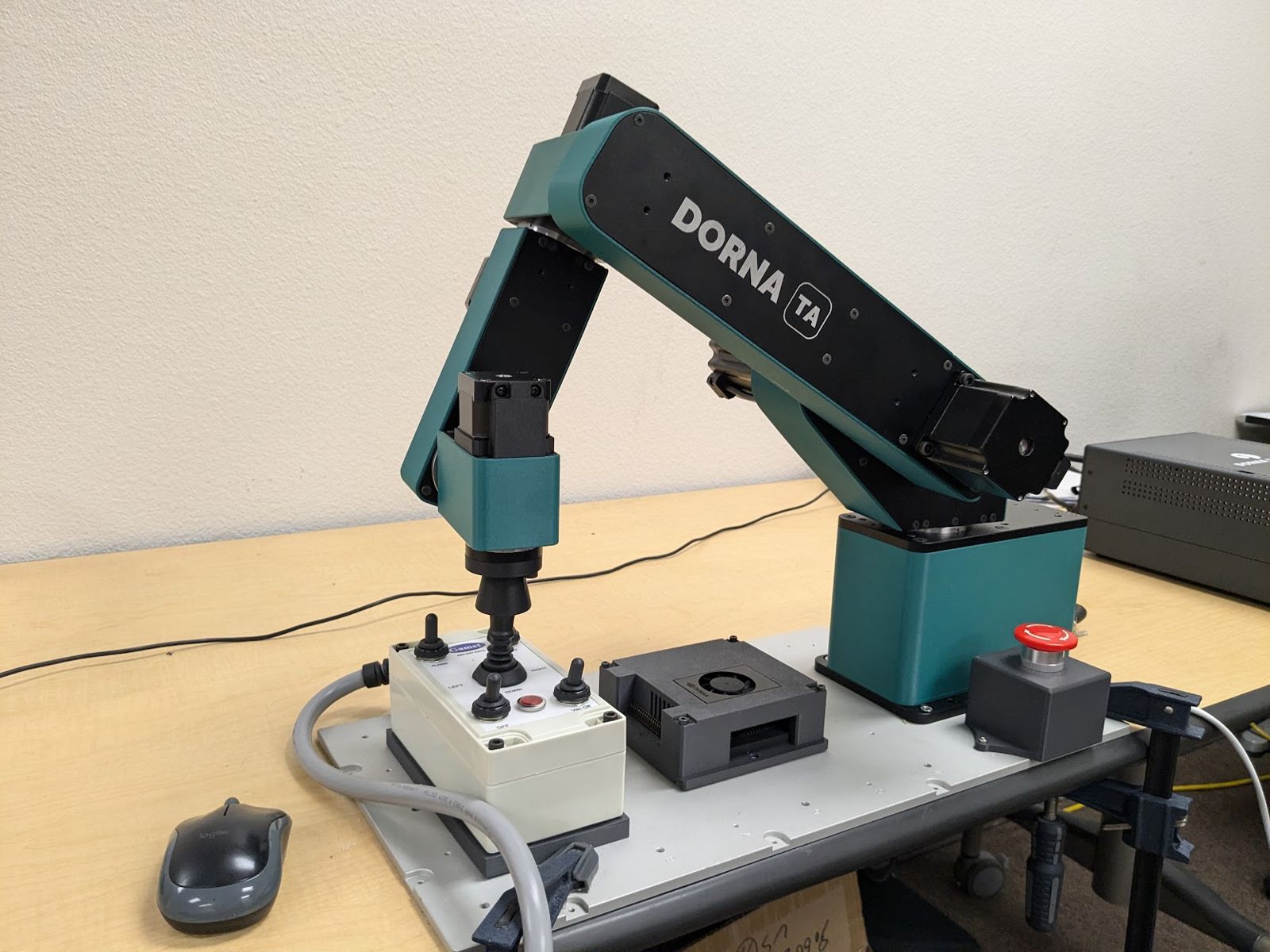
My first project at Dorna was part of our education package, but it was also just for me to learn. Early on we tried education as a market. We did demos at a college in Fullerton and a pitch at Orange Coast College, and built early lab projects as examples for an education course.
I learned a lot about proper market fit and how important it is. Product is basically not important if you don't know your market, and you have to talk to people. You can't find your market sitting at a desk.
Early projects
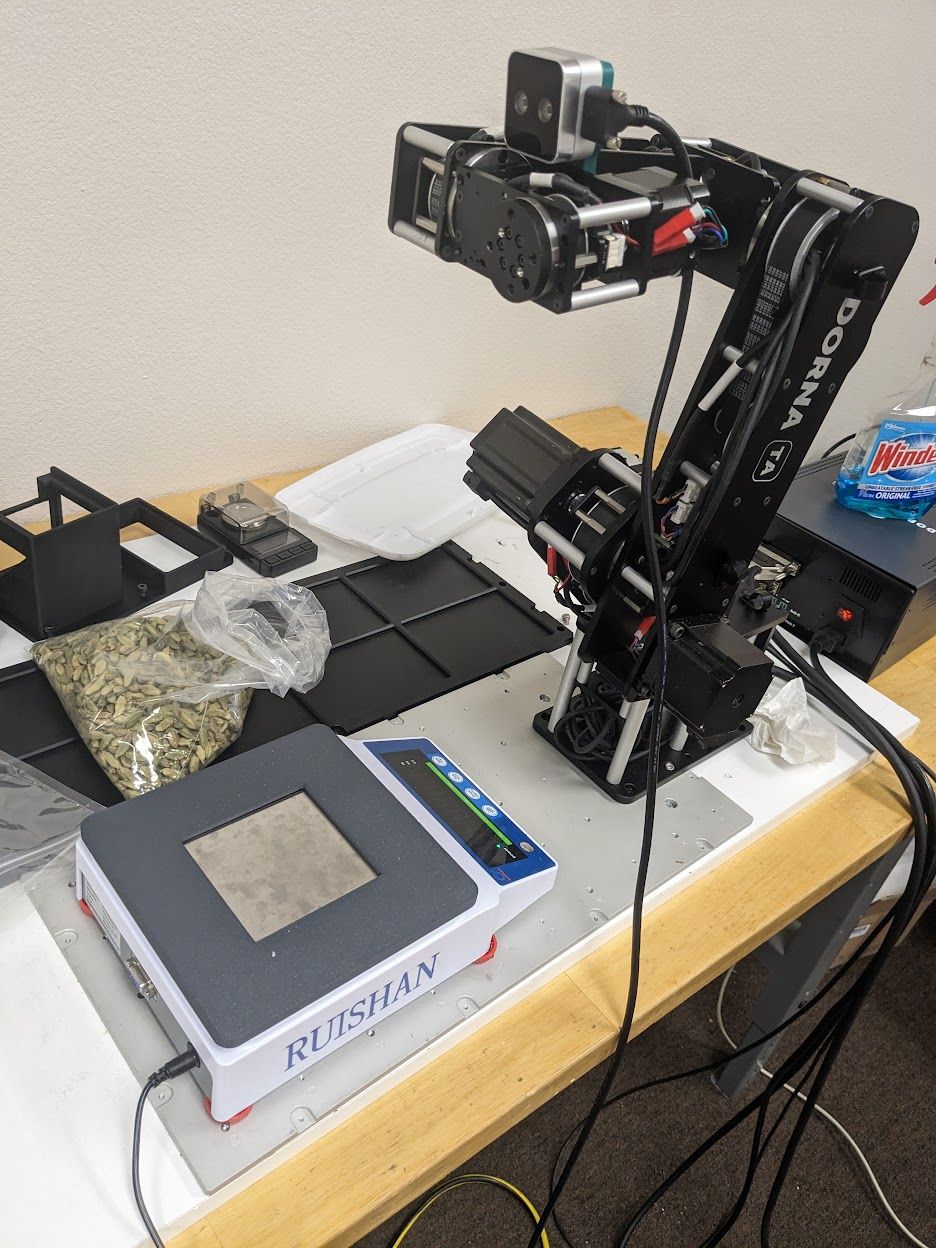
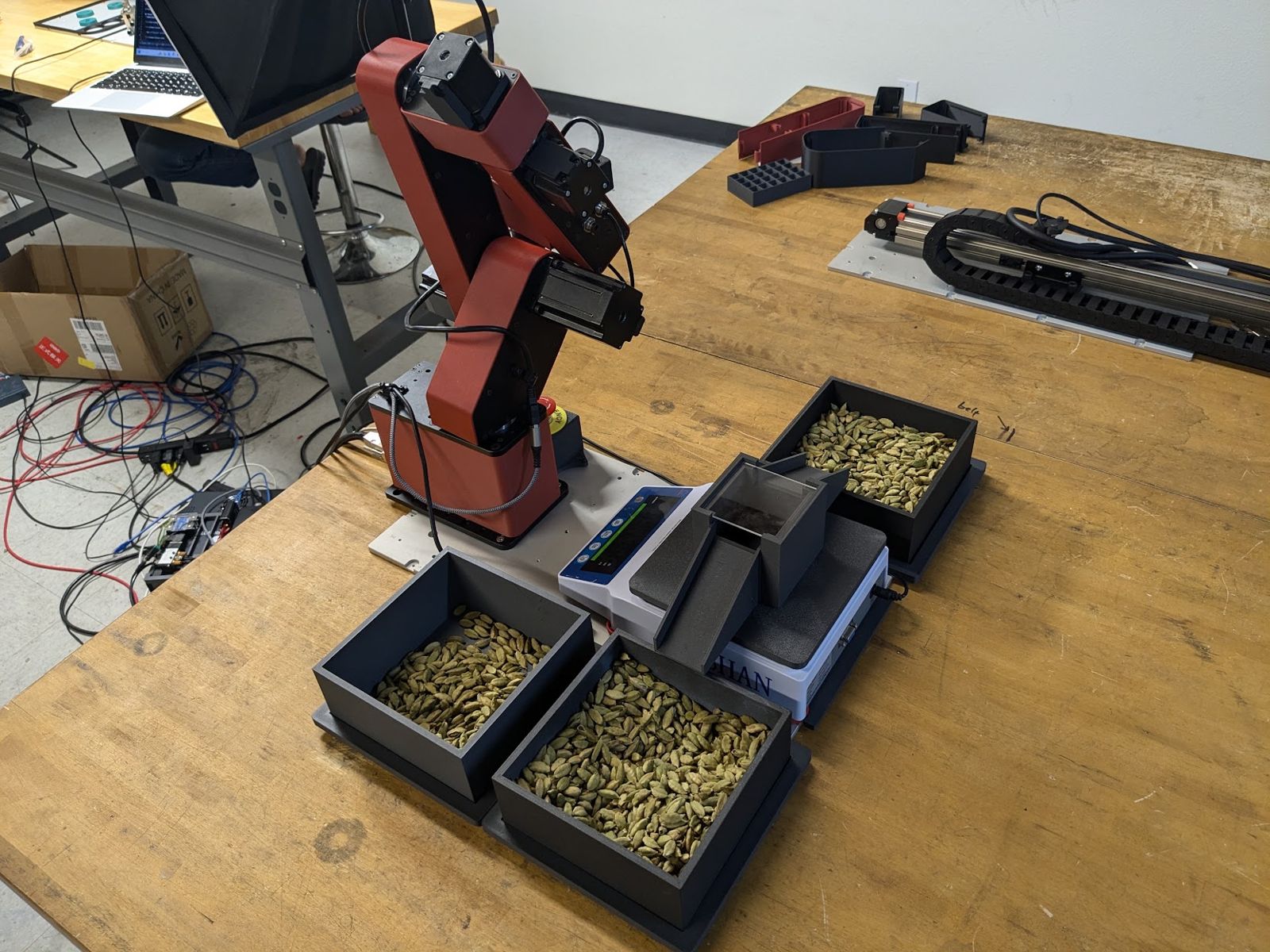
Before lab, we built a cardamom sorting station and a system controlling a grain probe. The cardamom station went from a bare arm and a scale to a working cell.
Environmental testing lab, Nashville
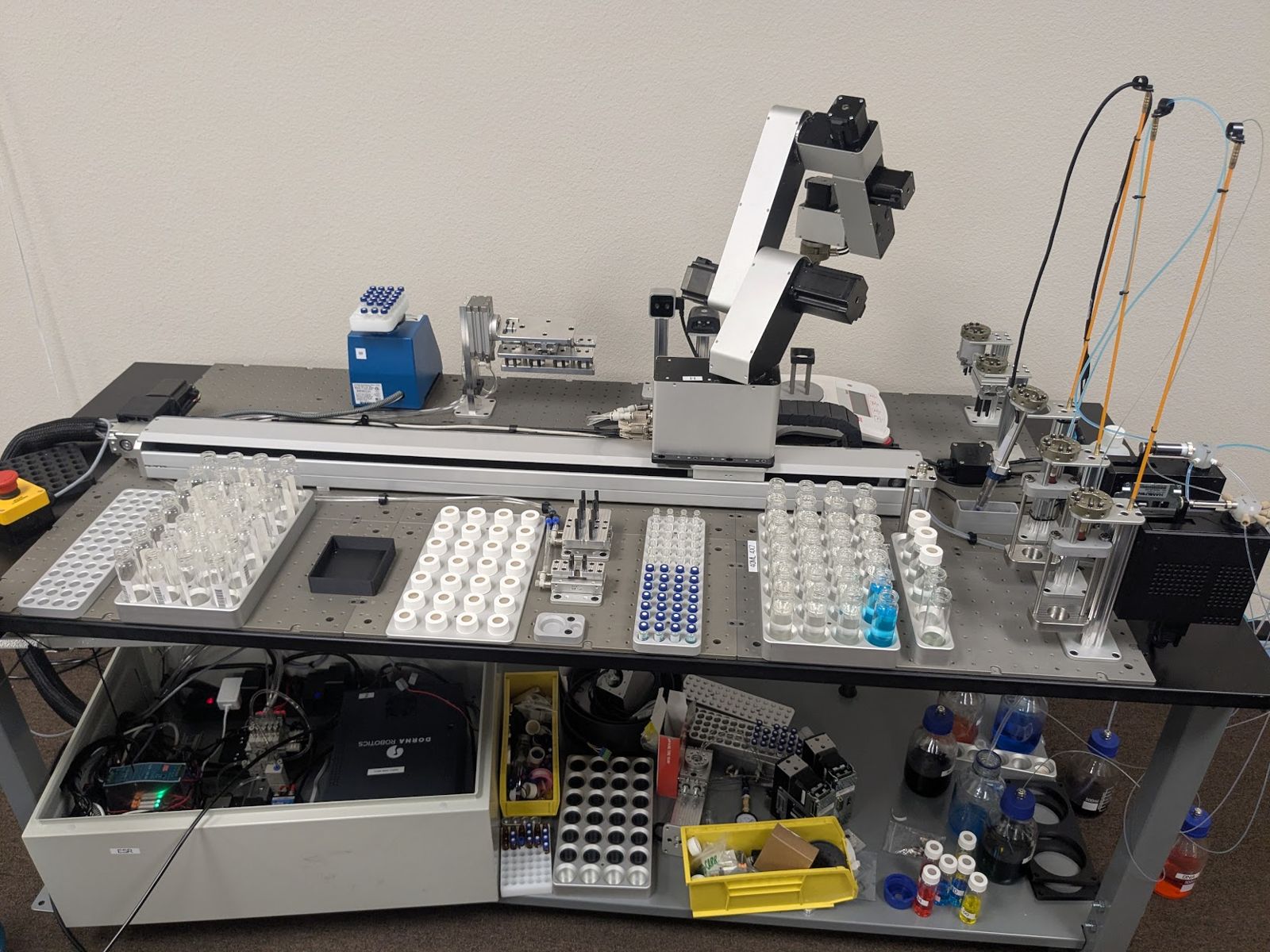
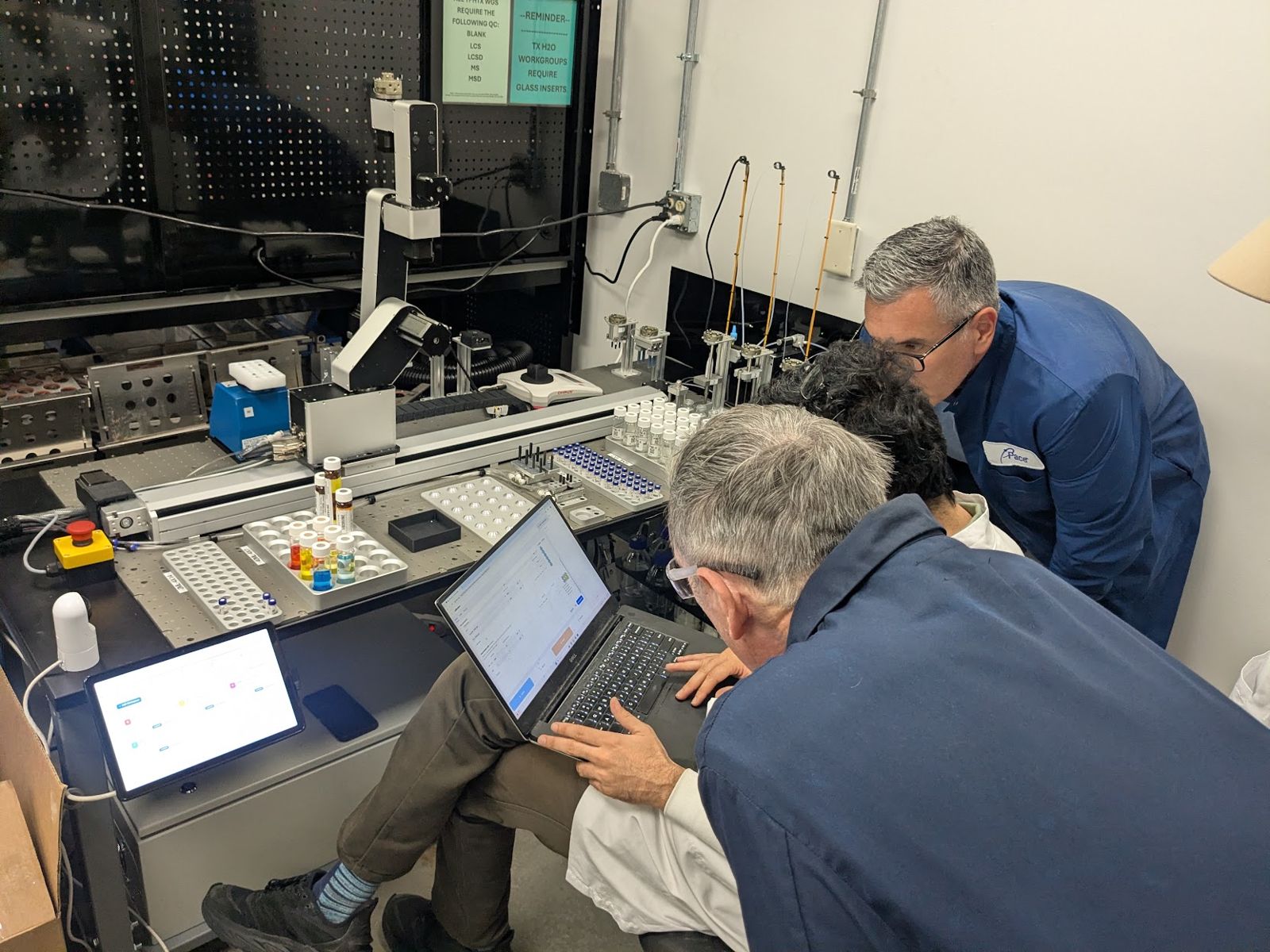
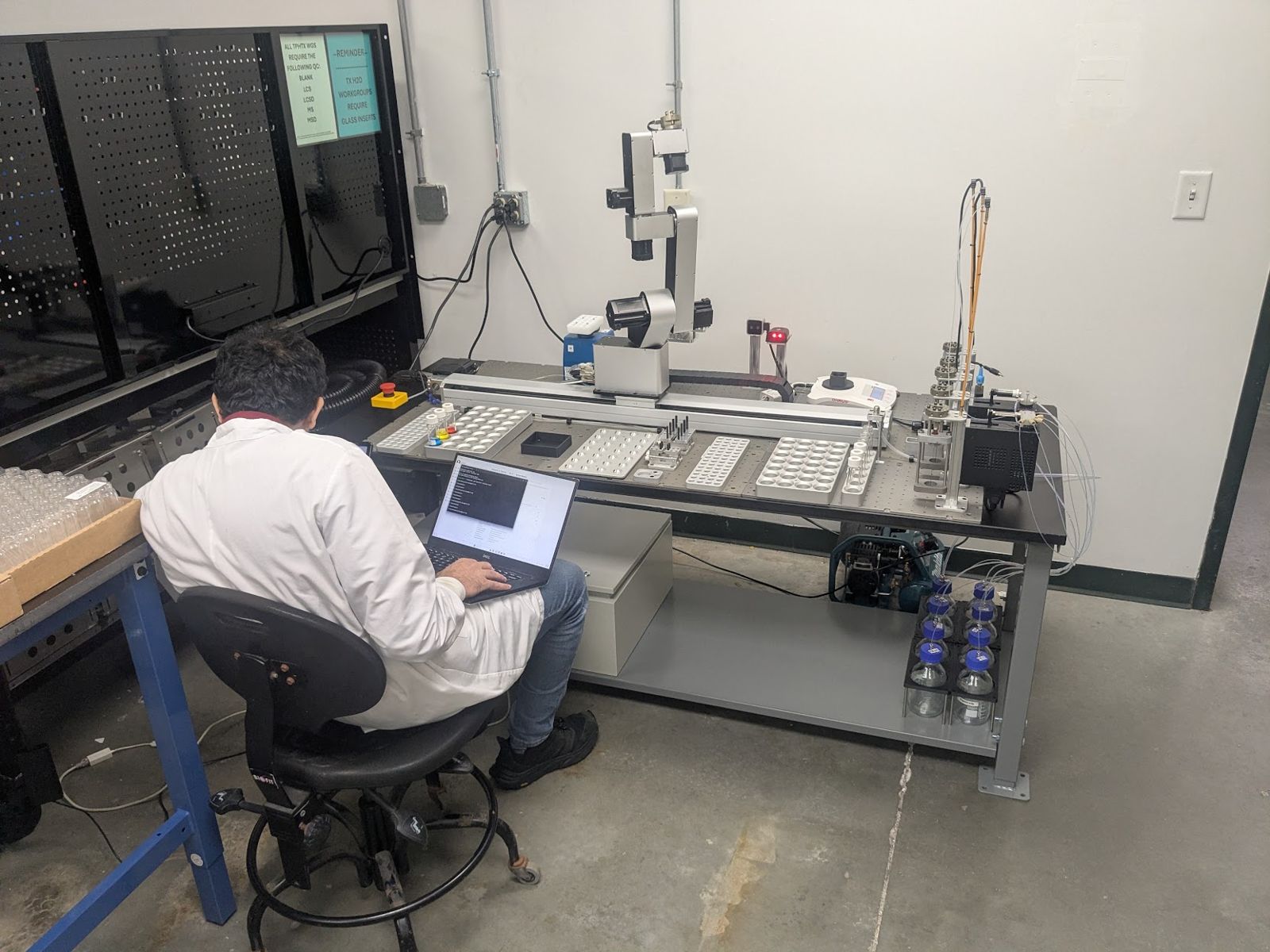
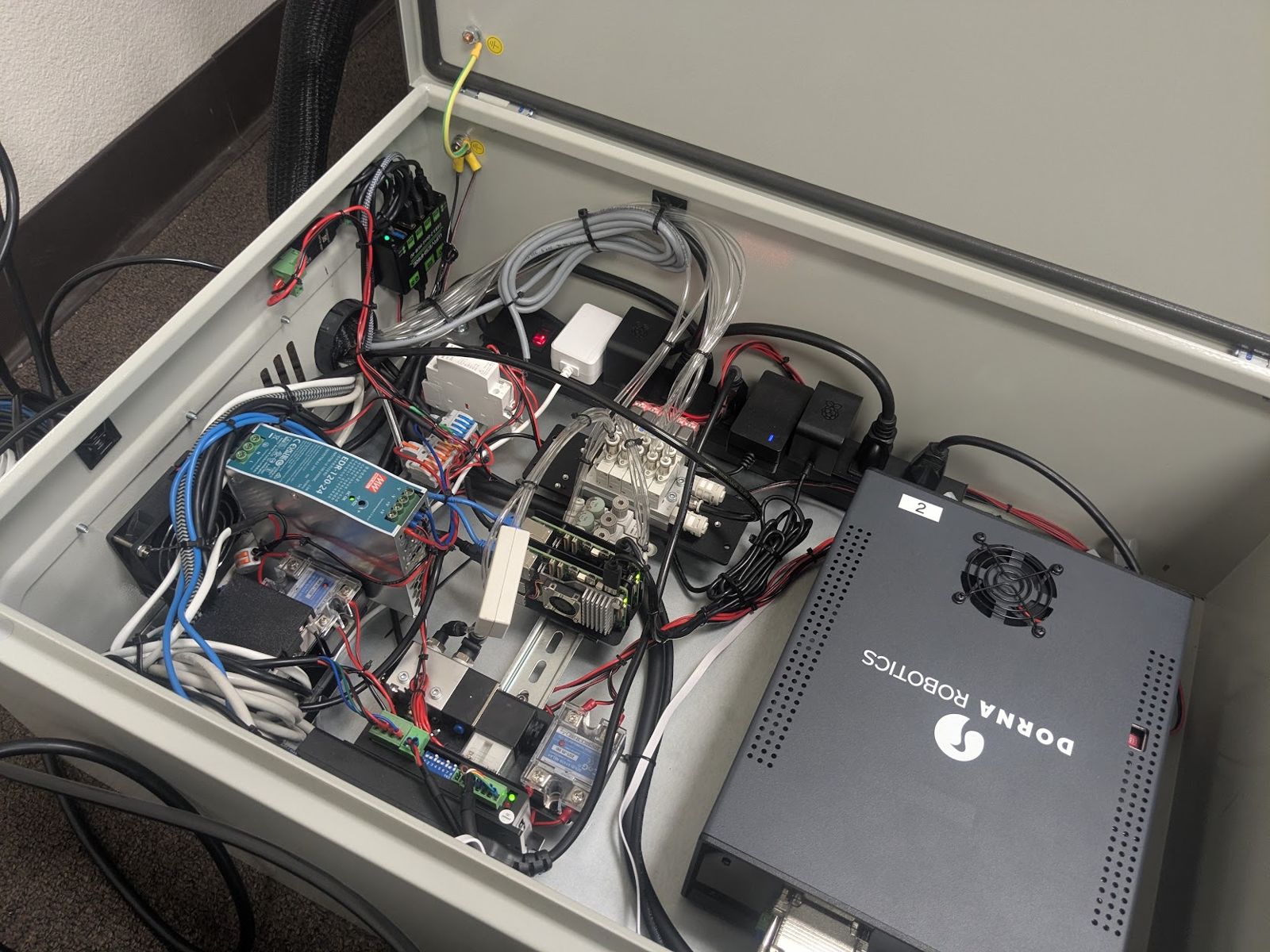
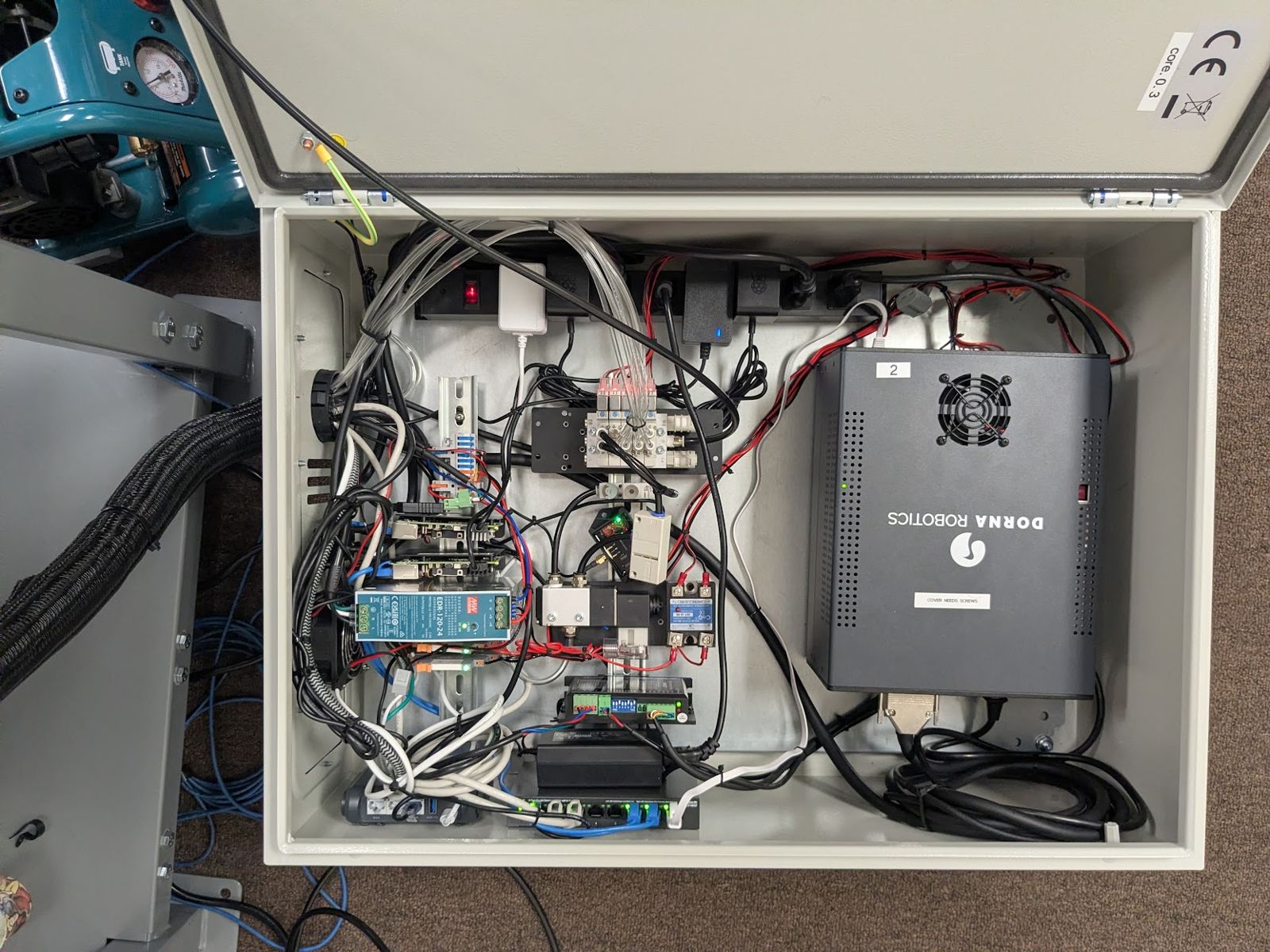
Less than a year after we started in lab automation, a small team of us worked as hard as we could and delivered an automated system to an environmental testing lab in Nashville. That led to a seven-figure contract for more units. We've only been in lab for about a year and already have a lot of traction.
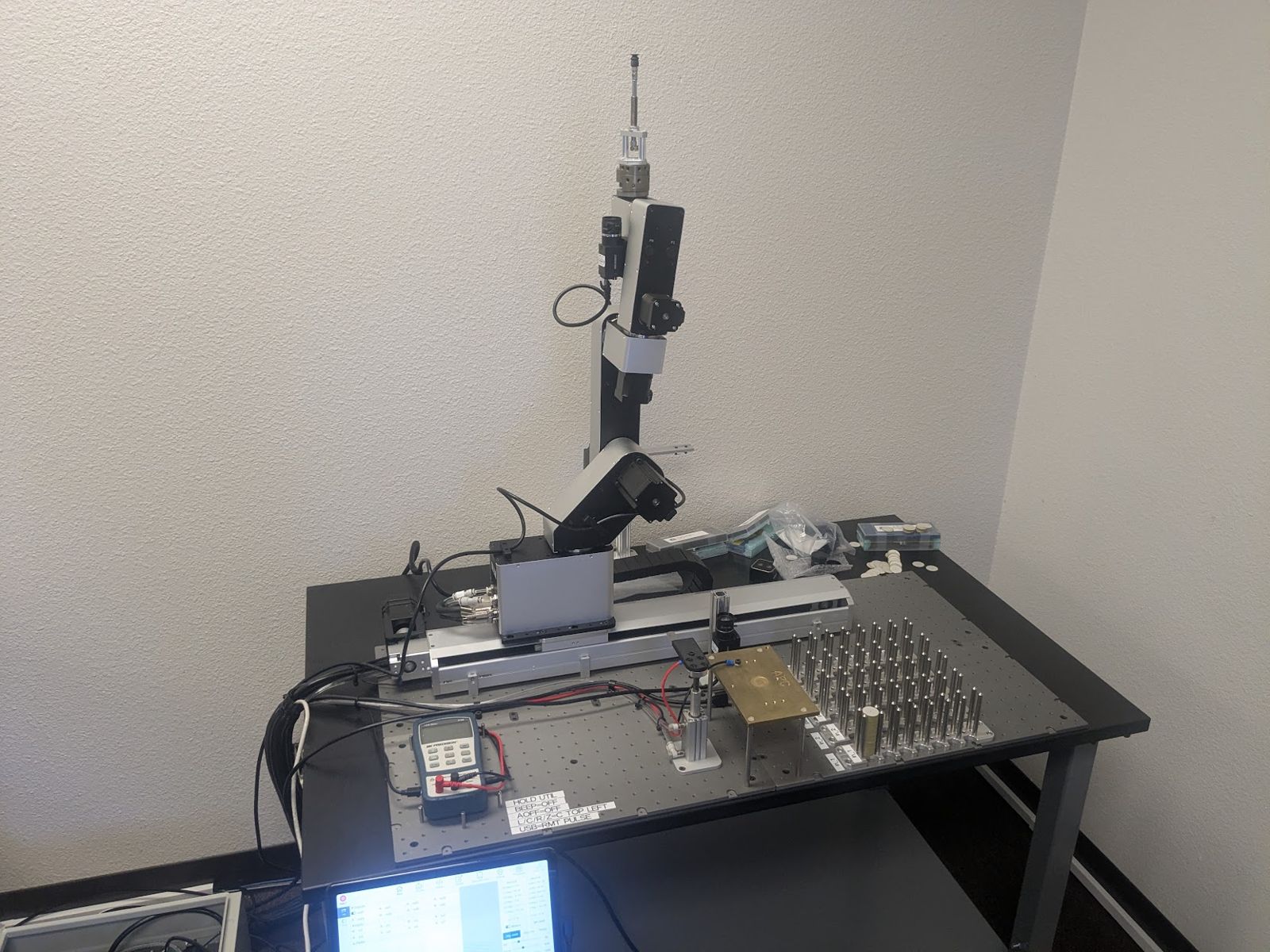
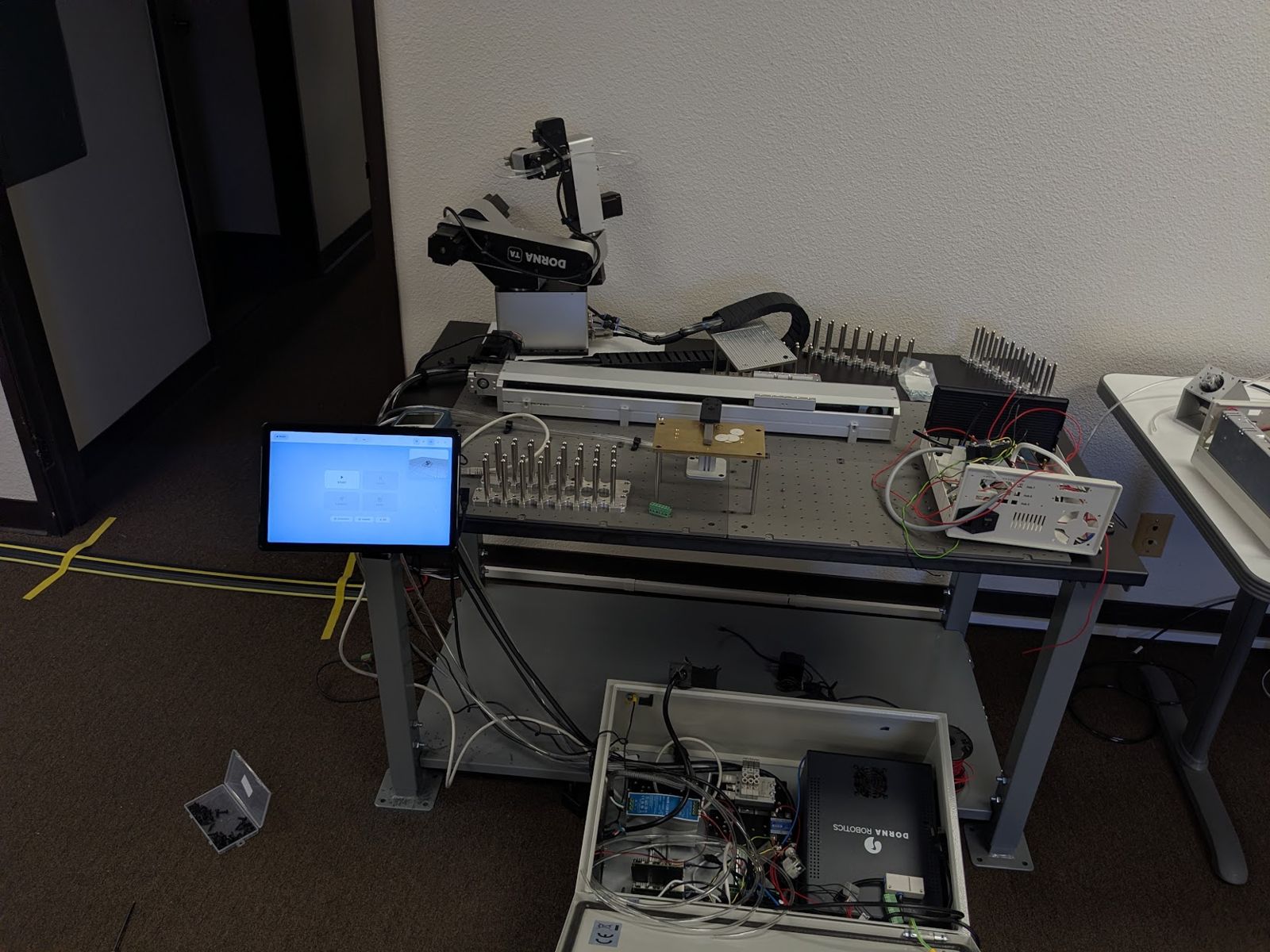
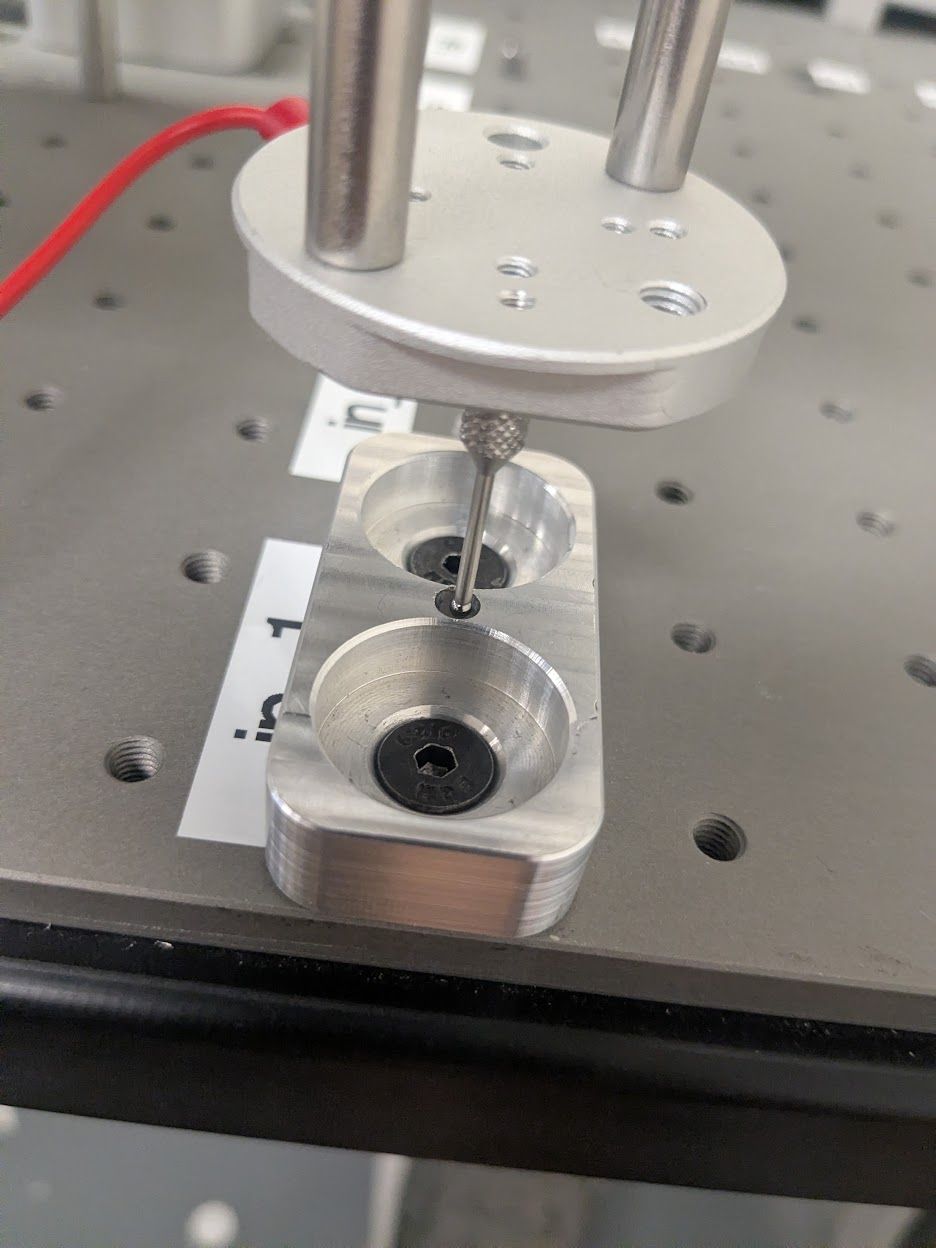
Piezoelectric disc quality control
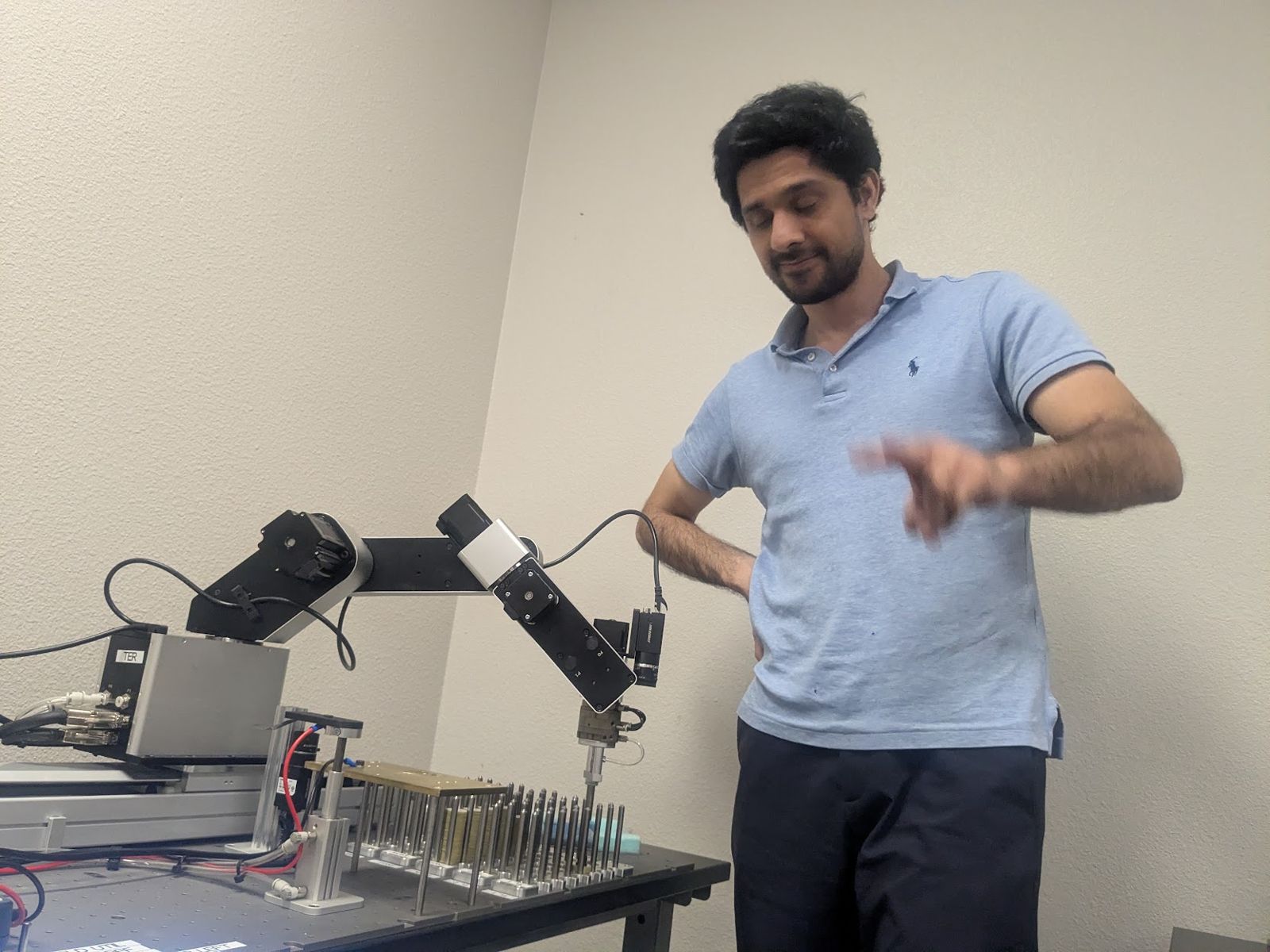
A quality control system for piezoelectric discs that we did recently.
Workspace and the AI builder
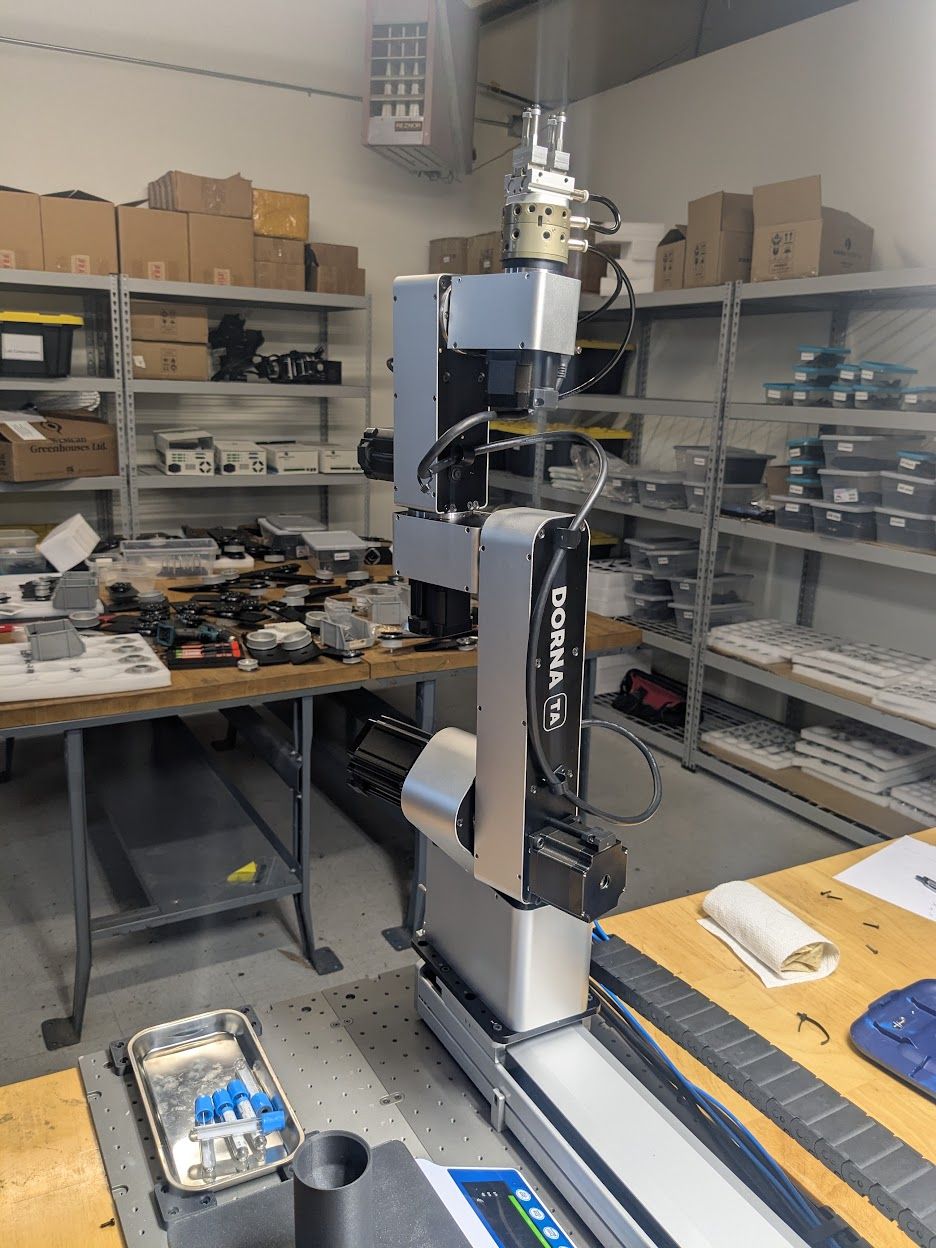
We built software called Workspace to build as much as possible autonomously and scalably. You lay out your scene, it does motion planning and scheduling automatically, you make changes and see them in simulation, then run it. You calibrate your real setup one time and it works with the virtual setup. We also have tools for AI vision, synthetic data, and more.
I worked on all parts of it, but my two biggest contributions were early in vision (synthetic data, object detection) and in calibration between the virtual and real world.
Now we're building an AI builder on top of Workspace. You describe your workflow, mess around with the scene, see it in simulation, then buy. That's it. I think it will be a game changer for teams that want to change workflows a lot or have little internal engineering. I'm the primary contributor to it so far, though like anything at a startup it's built on everyone's work and we're always bouncing ideas off each other.
The builder is a closed internal alpha, so it needs documentation that isn't public yet to be useful.
Machining and the shop
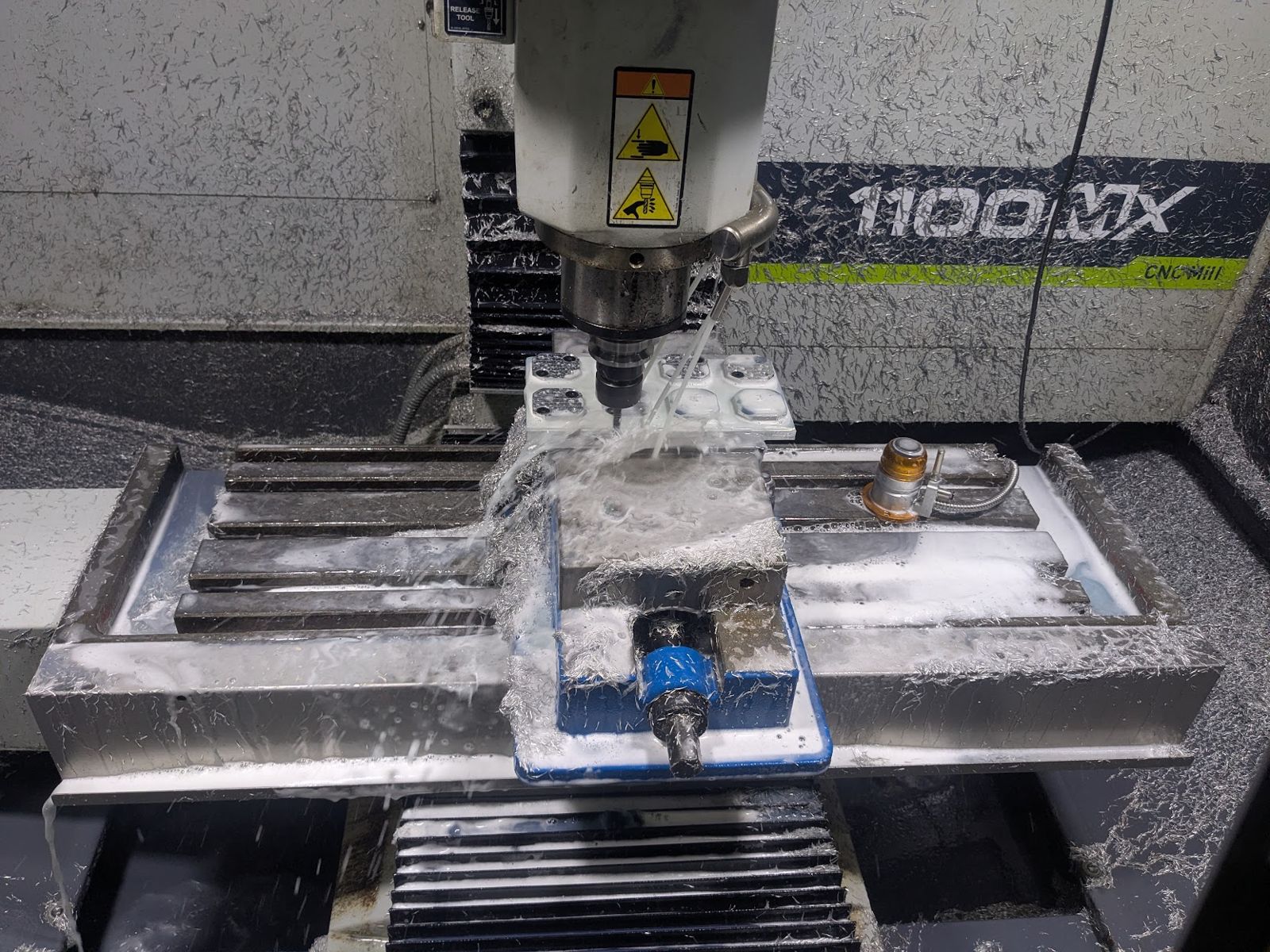
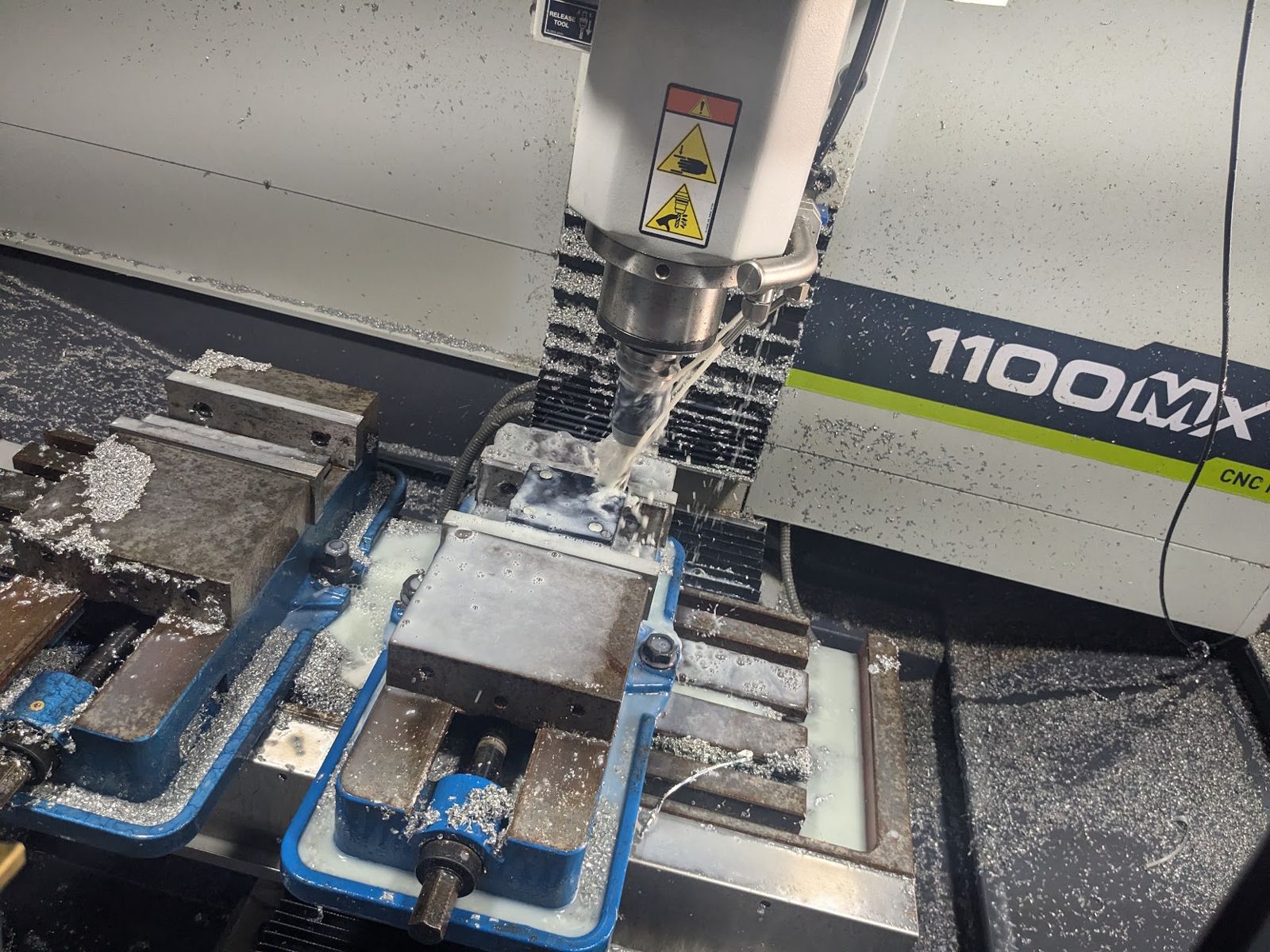
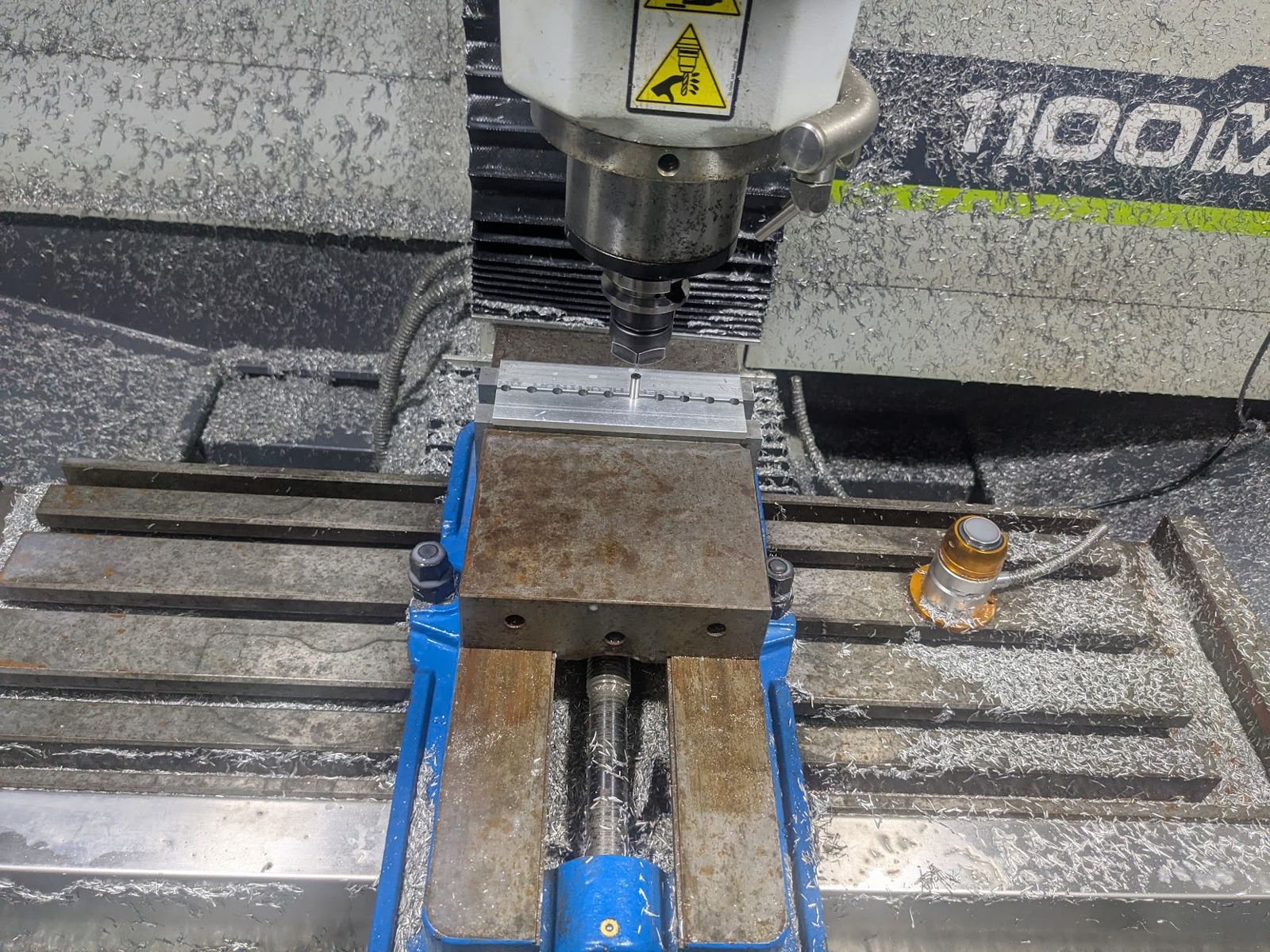
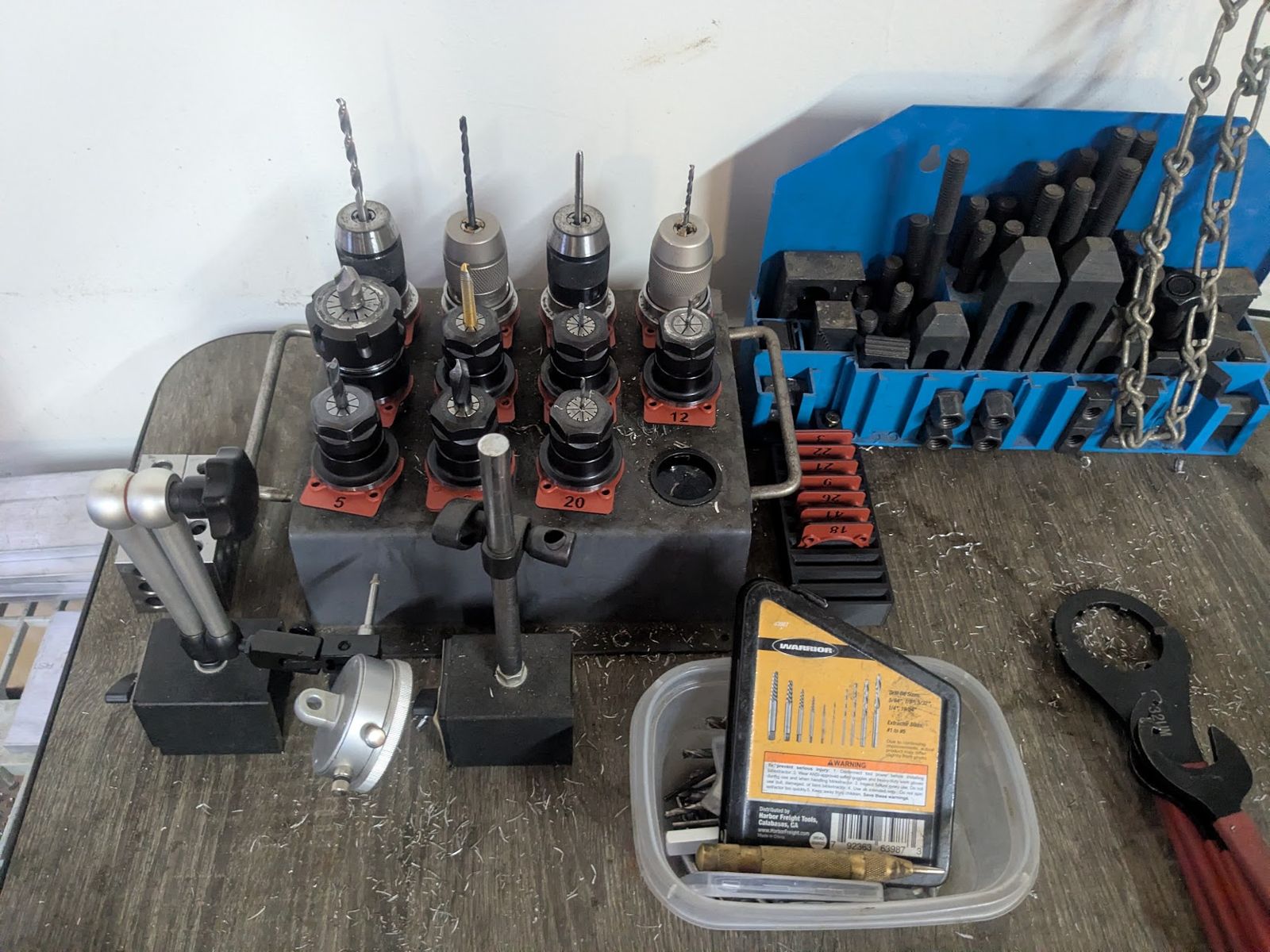
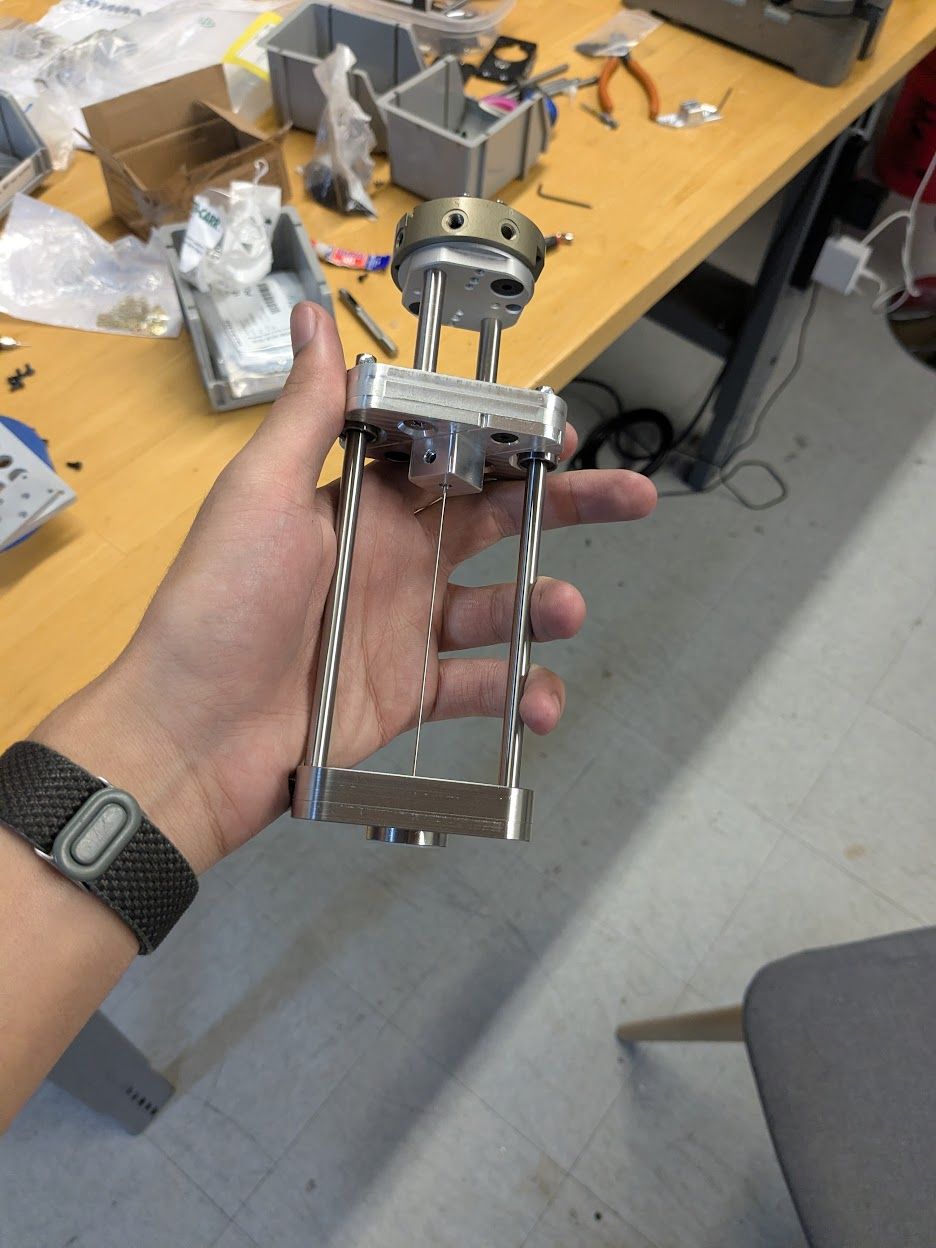
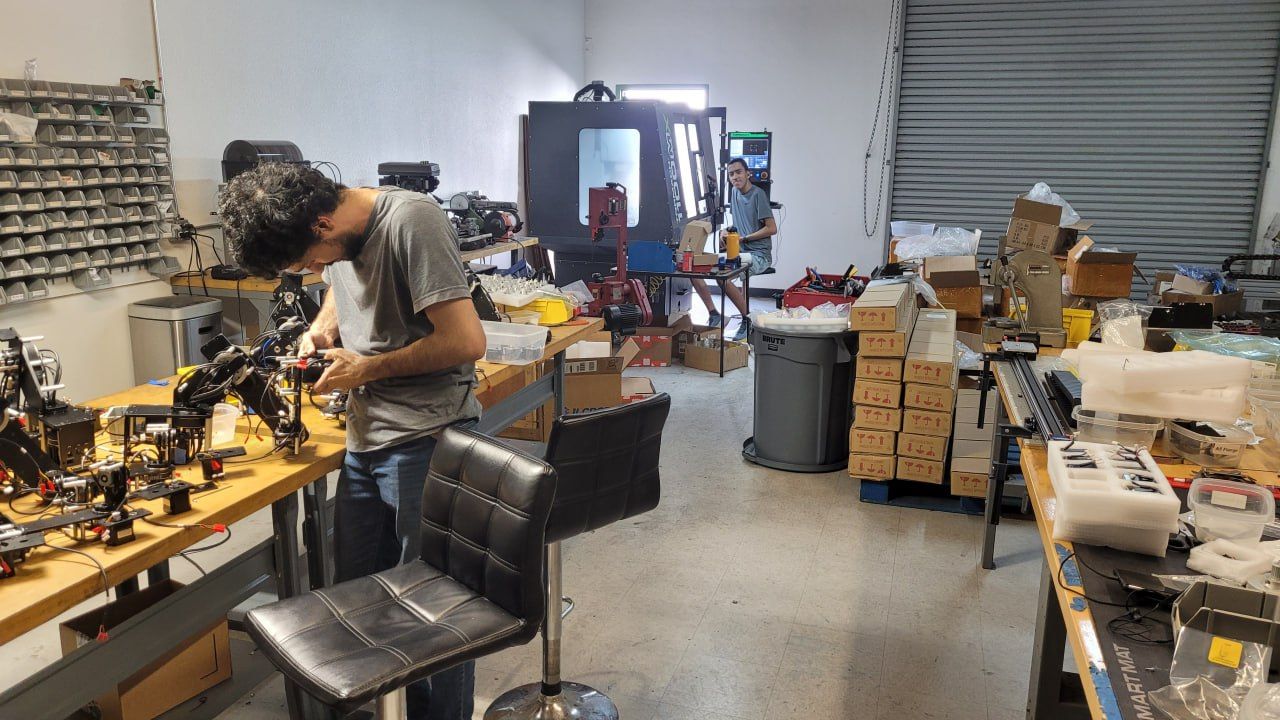
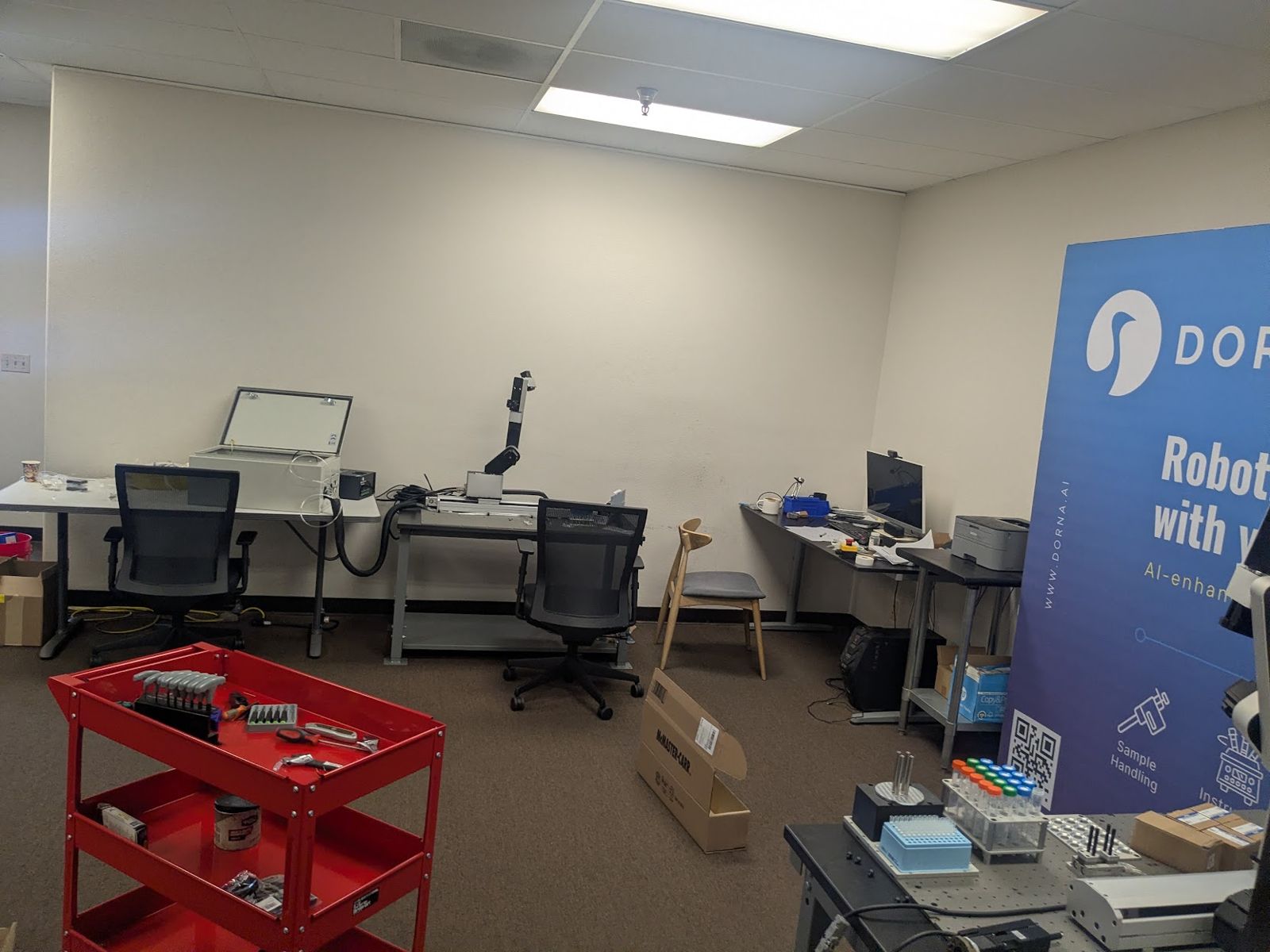
On top of software and engineering, I know machining very well. Sometimes that meant cutting parts at 2am so they were ready for others the next morning. While teaching a new team member how to machine, I noticed they had trouble remembering tool numbers, so I made a tool labeling system.
Trade shows and sales
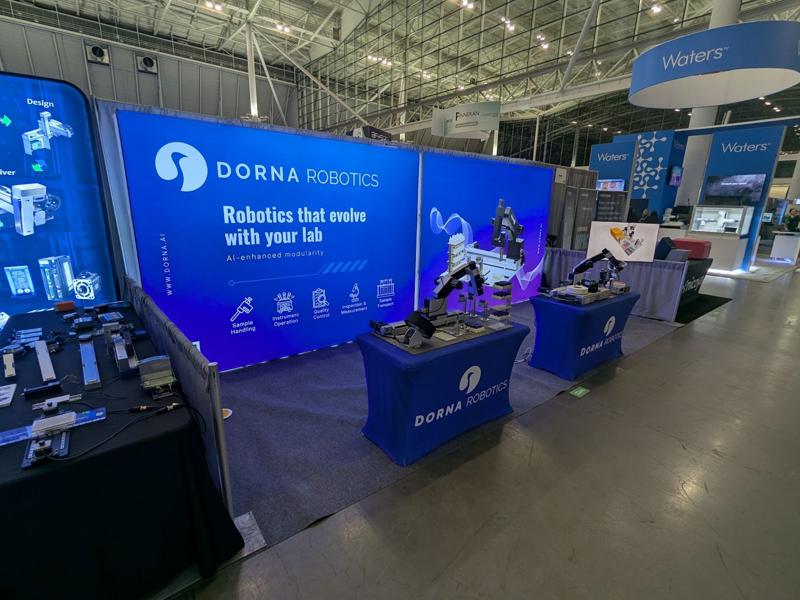
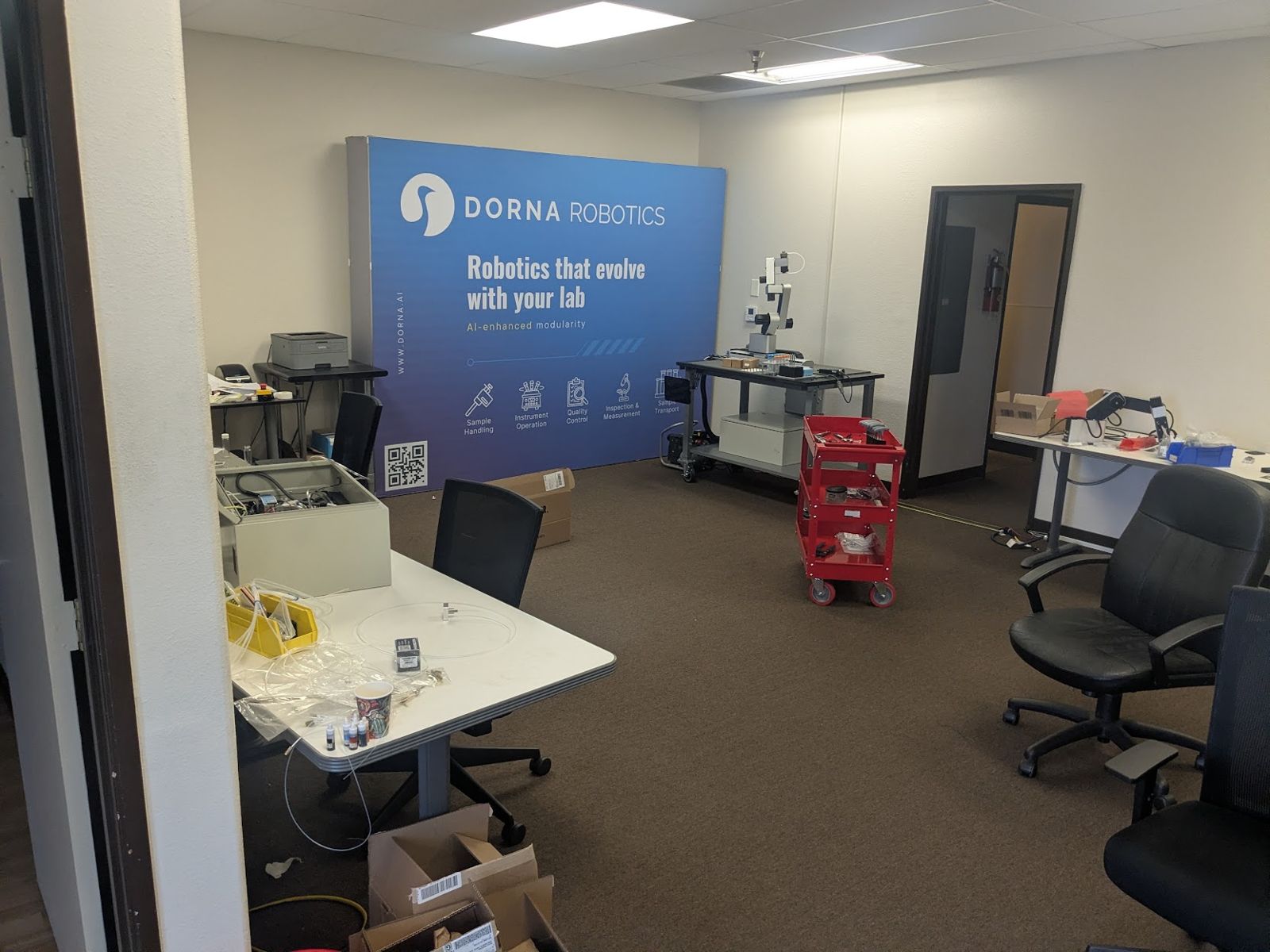
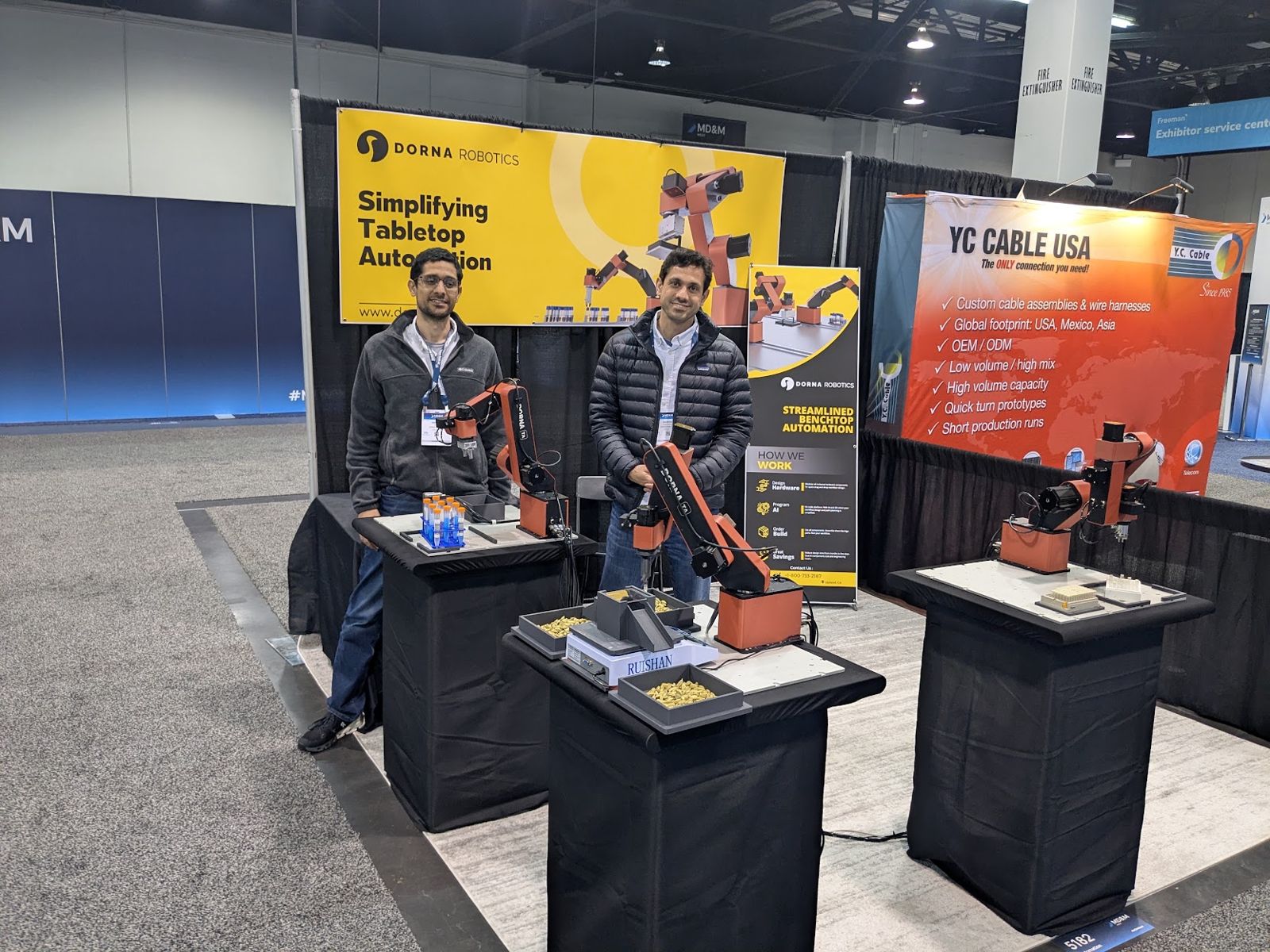
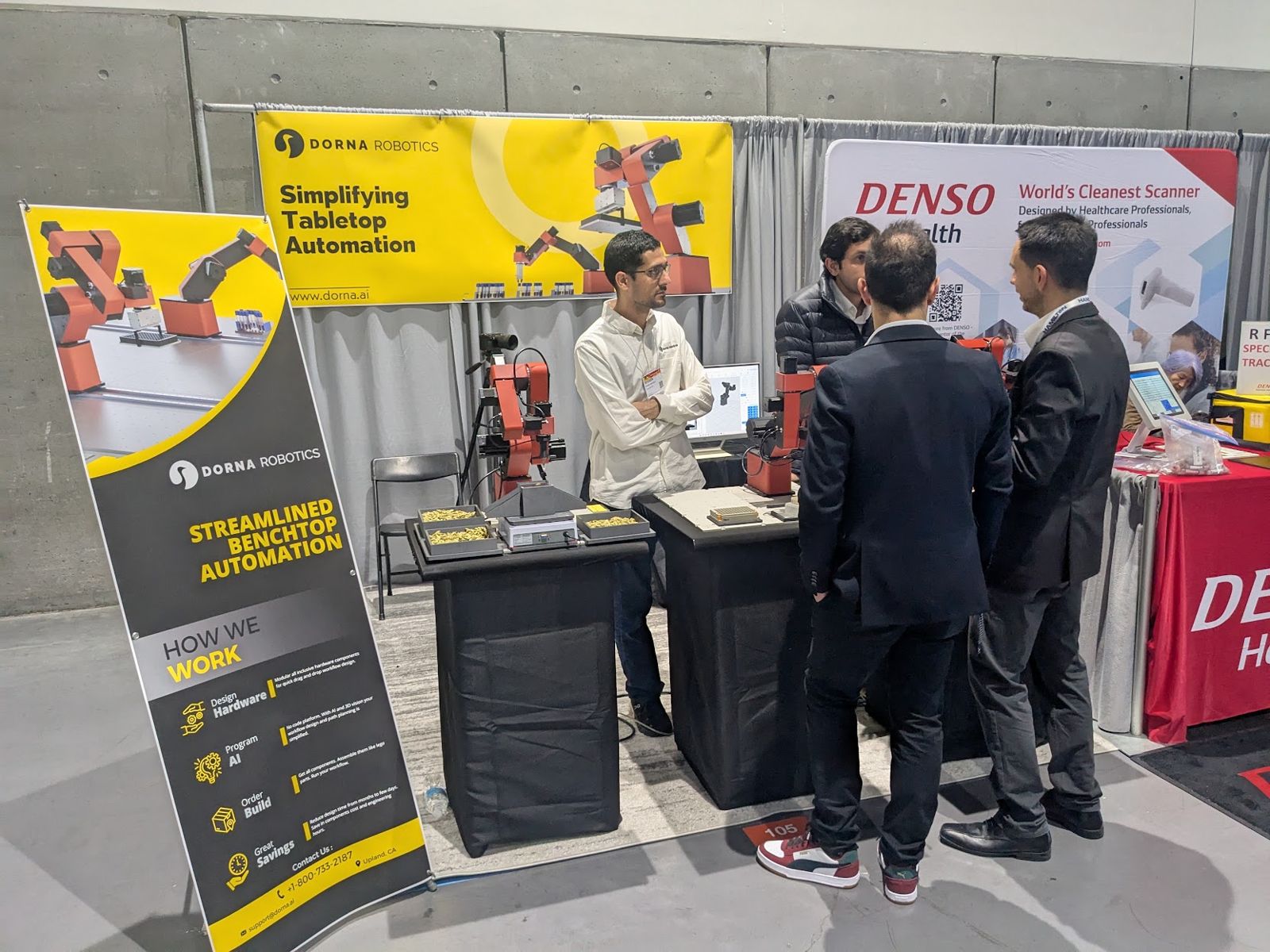
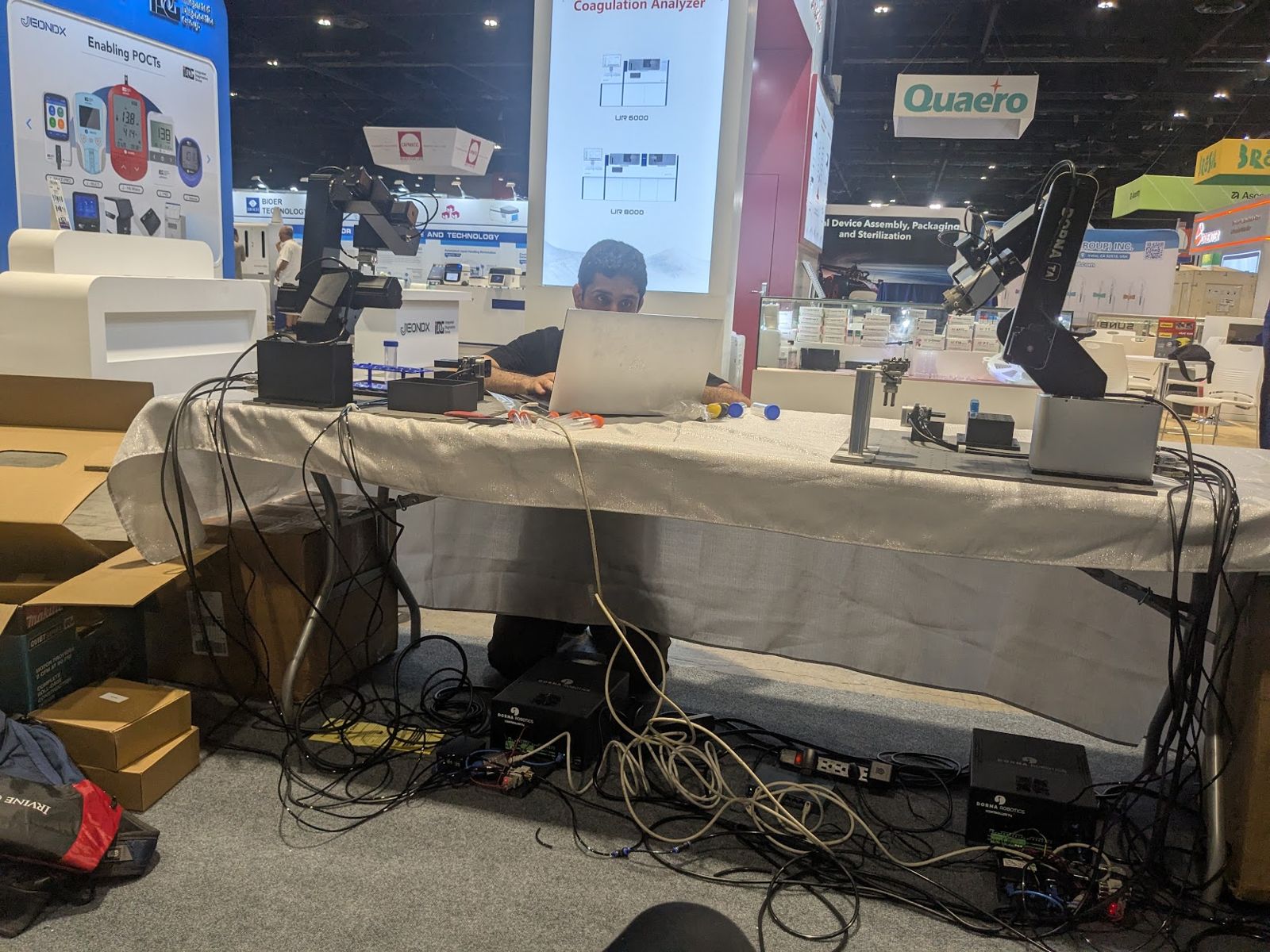
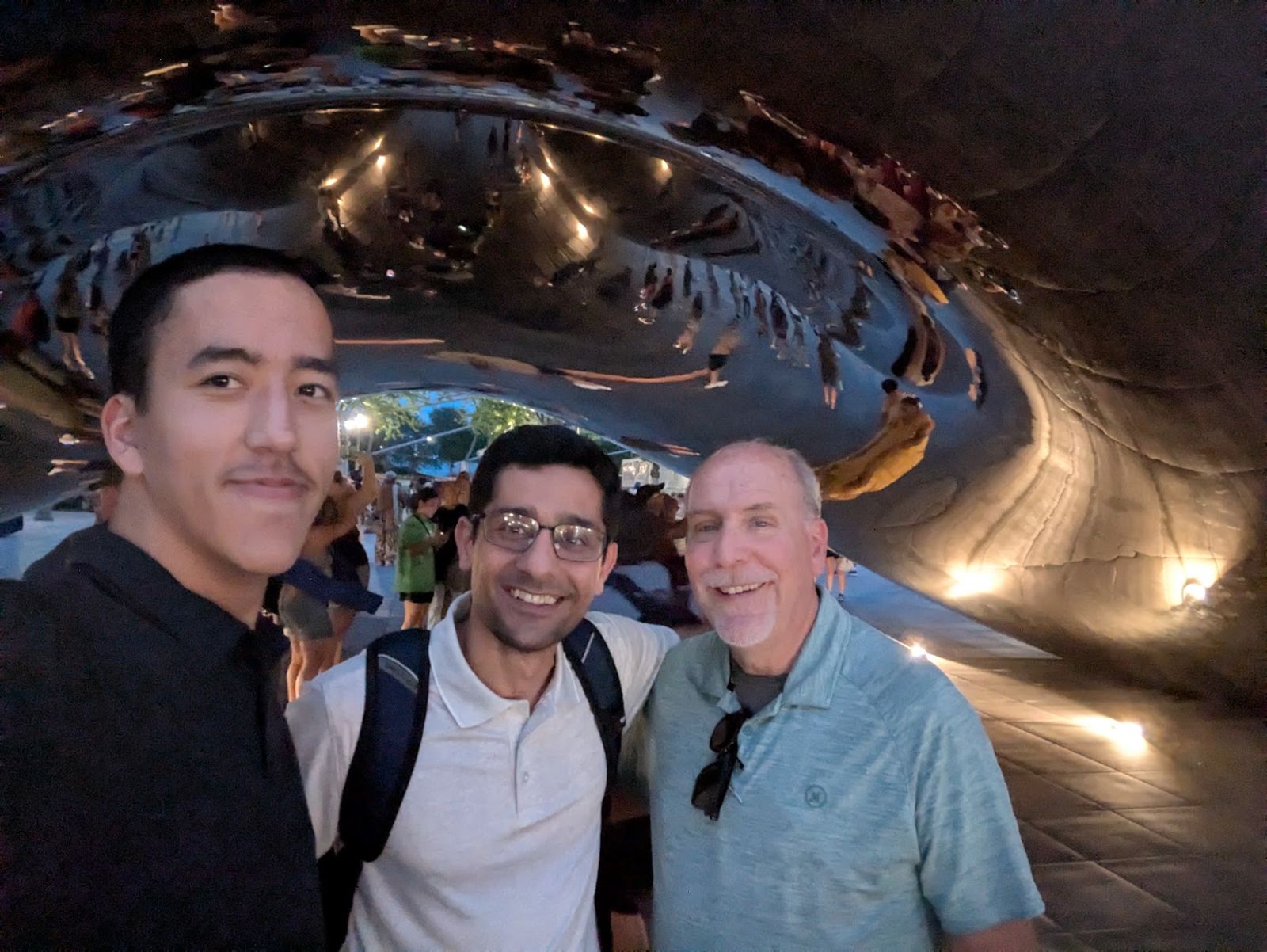
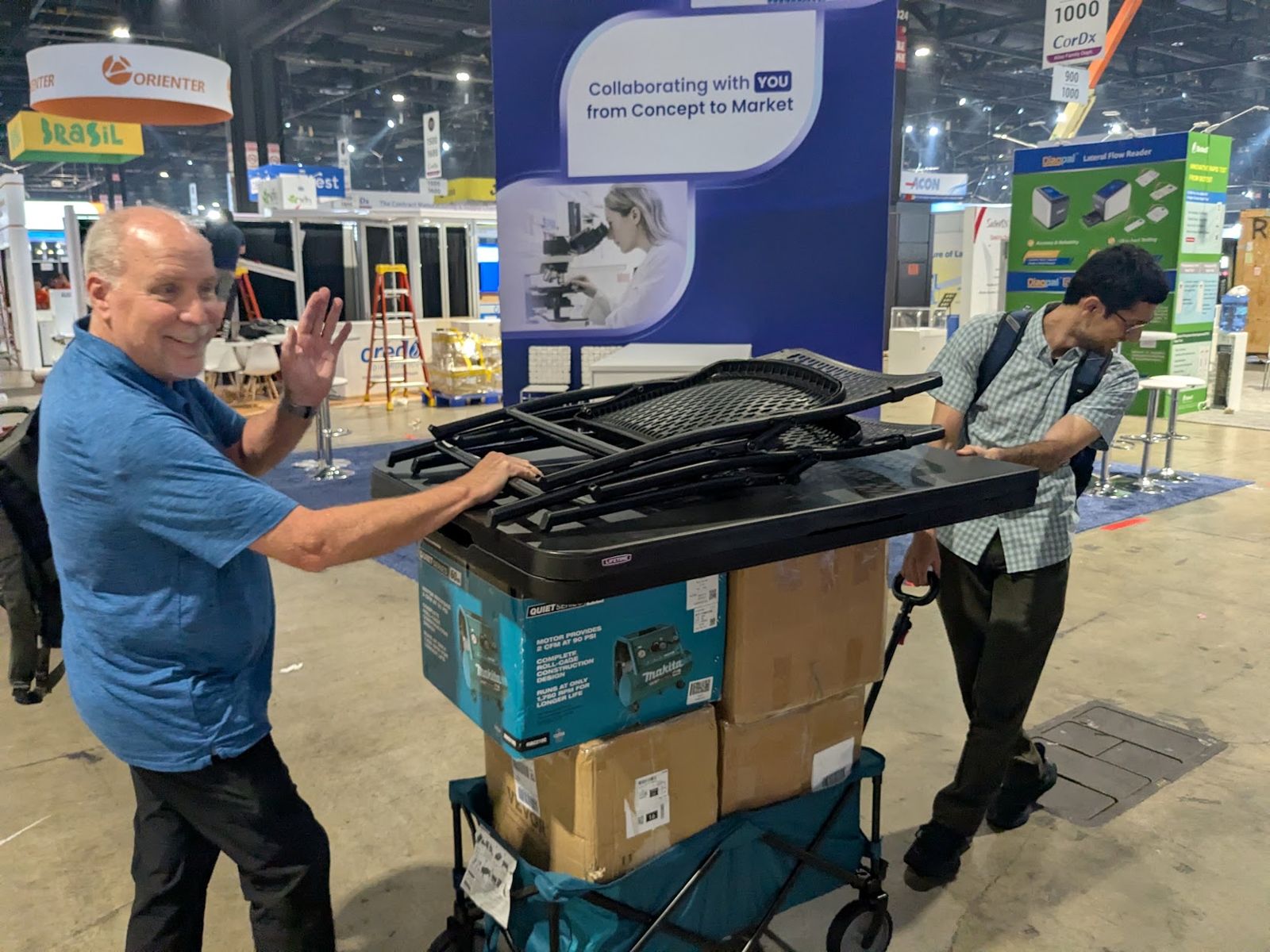
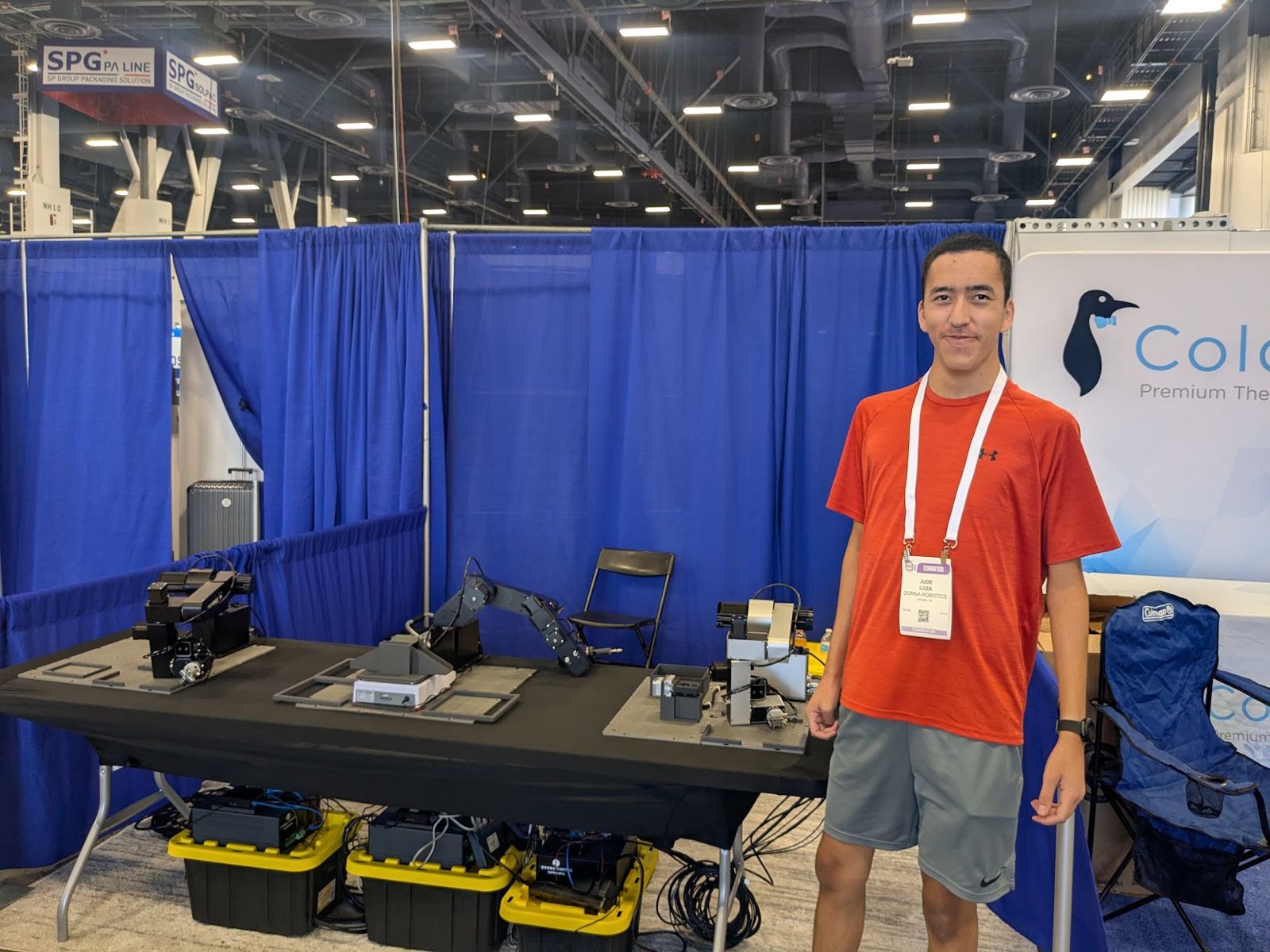
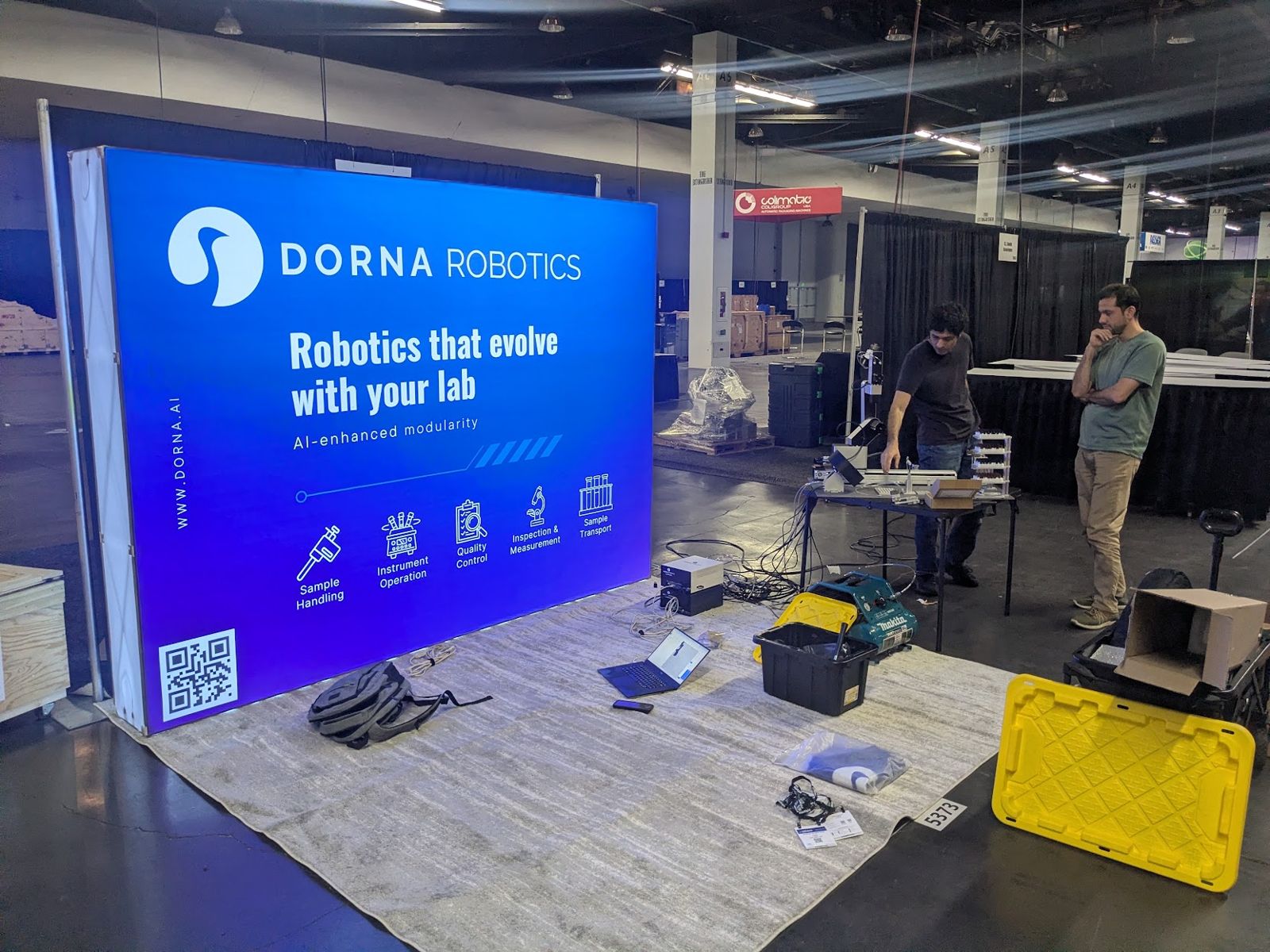
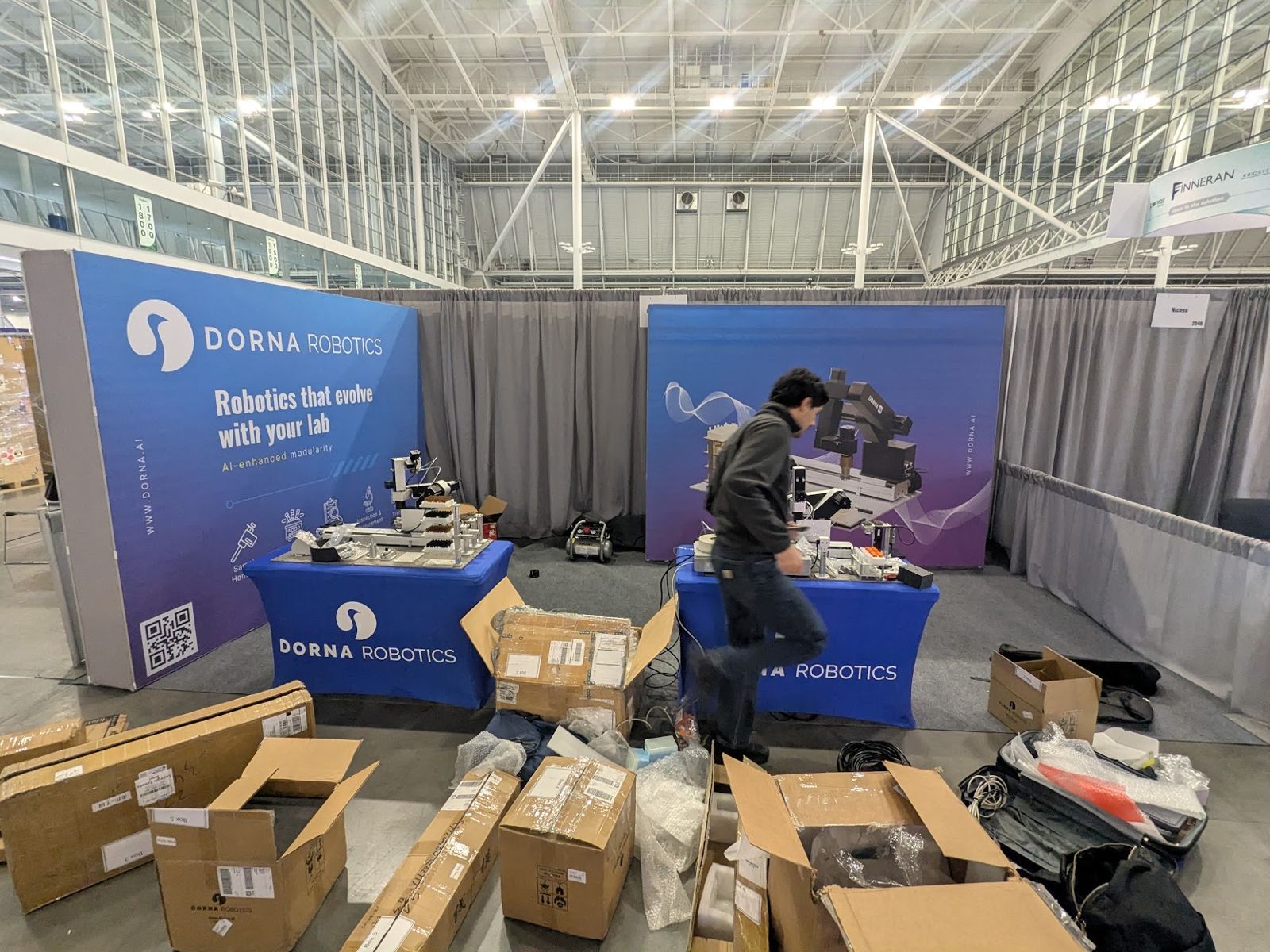
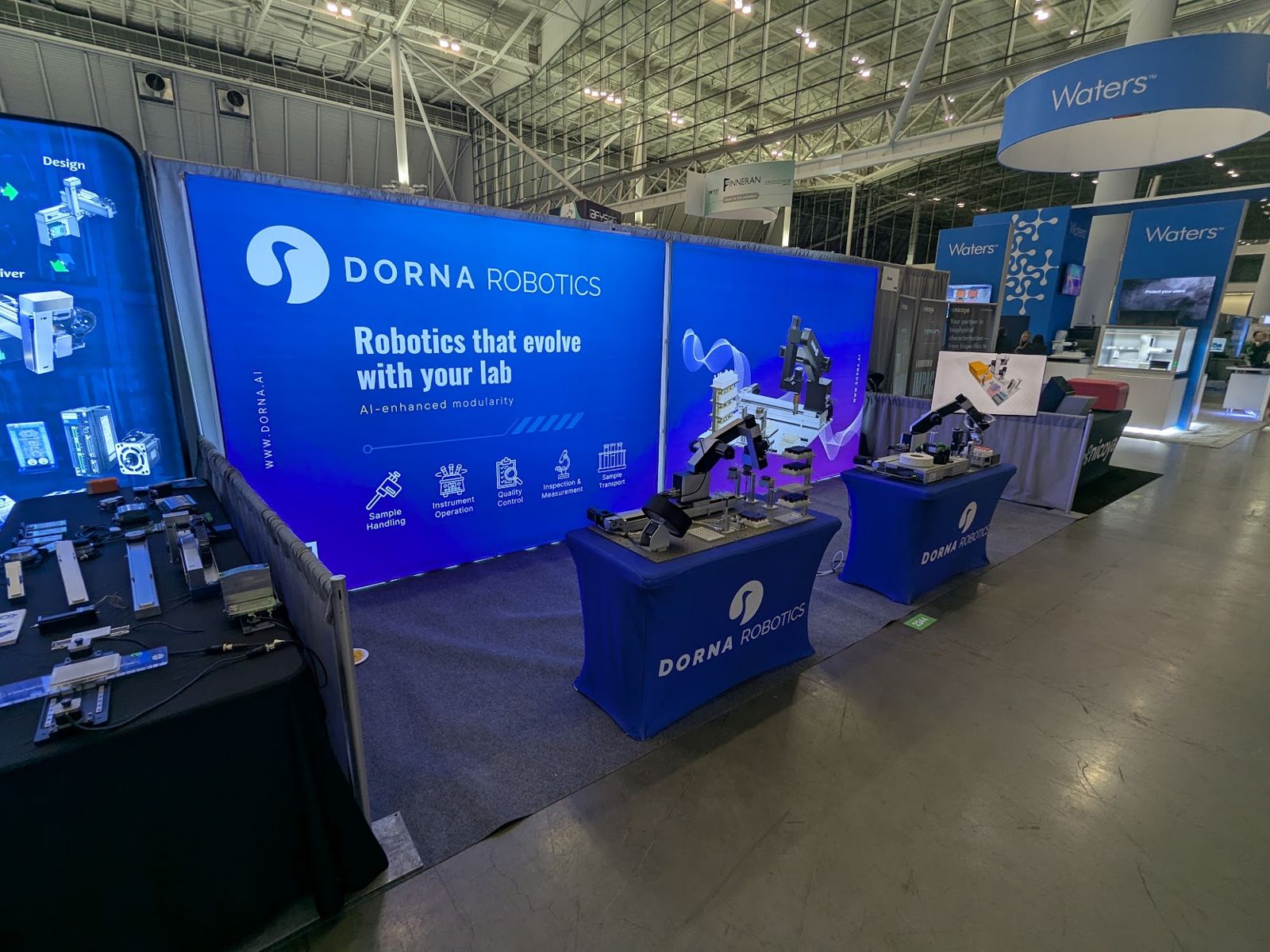
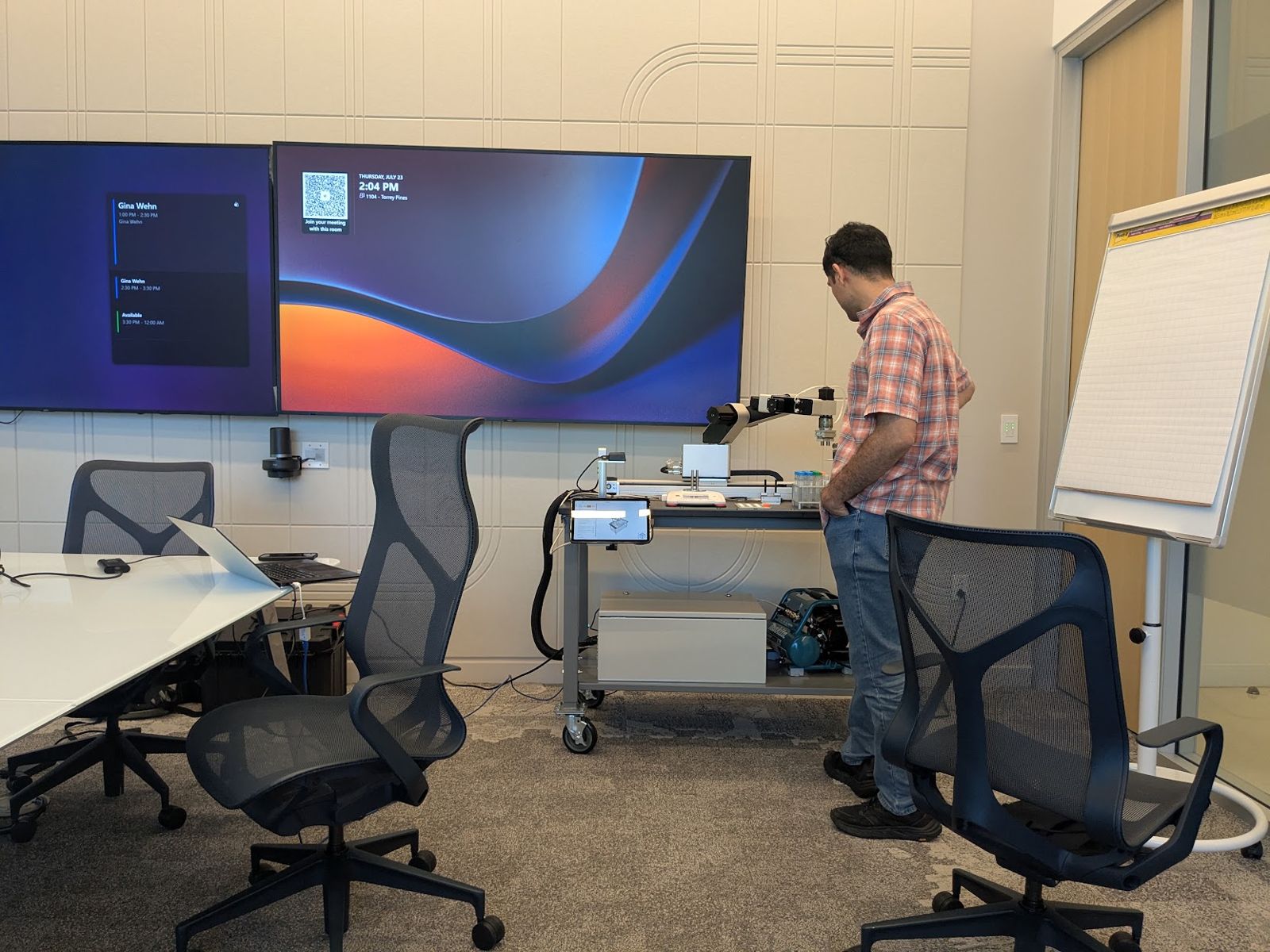
We've gone to about seven shows in the last year or two. I coordinated a lot of them, including SLAS 2026, which was a big effort. I've learned a lot from interacting with customers, seeing what they need, and exploring different ways to generate leads and move forward.
Sales has been a big thing in everything I've done, from this to competition robotics. I just learned how to sell. Pack Expo 2025 wasn't wildly successful for us, but we tried, and you can see how far our booths came in a few short months.
Next
In 2027 I'm dedicating time to helping the marketing and business side catch up to the tech. We aren't as active on socials as I want us to be, so a lot of our new work isn't out there yet. Get Real is my priority, but I'm doing my best to pay back and help Dorna as much as I can while I'm still there.
Competition robotics
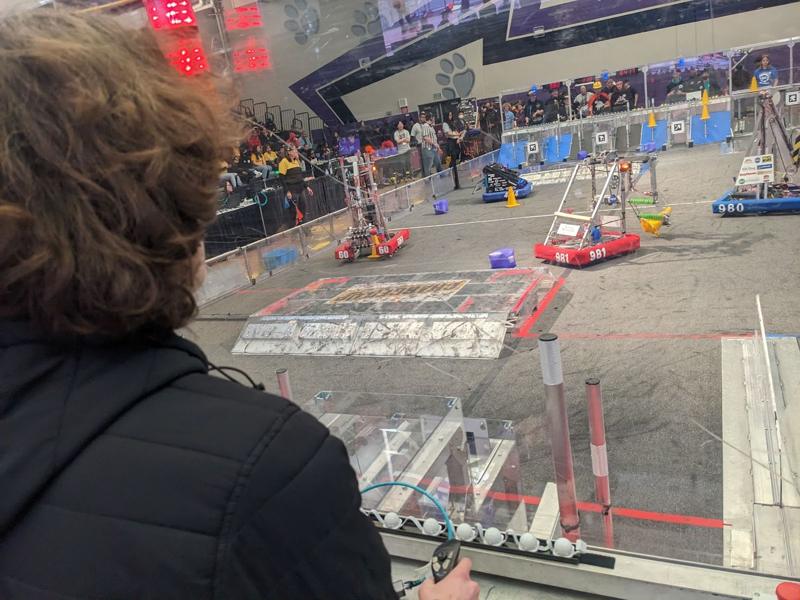
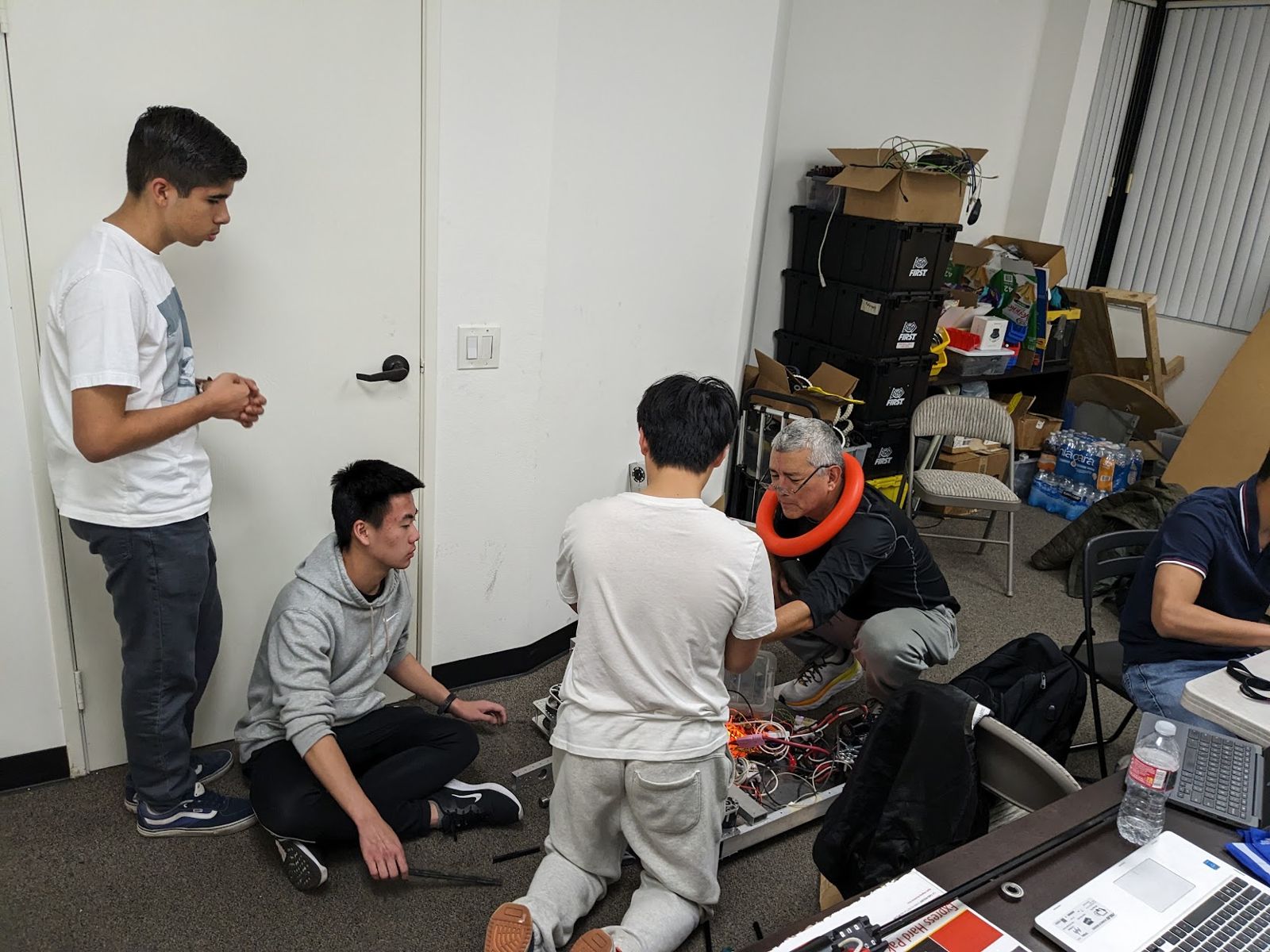
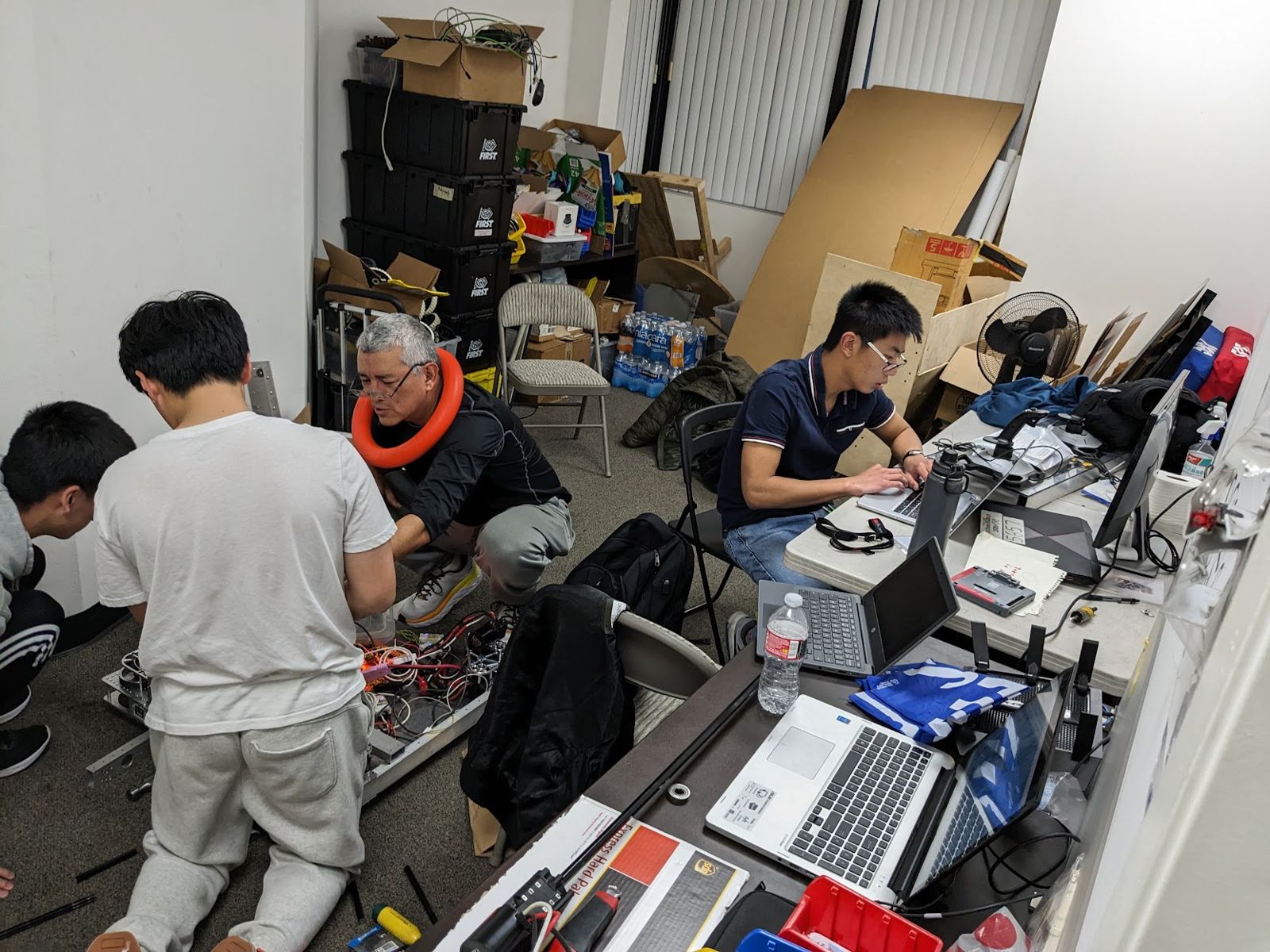
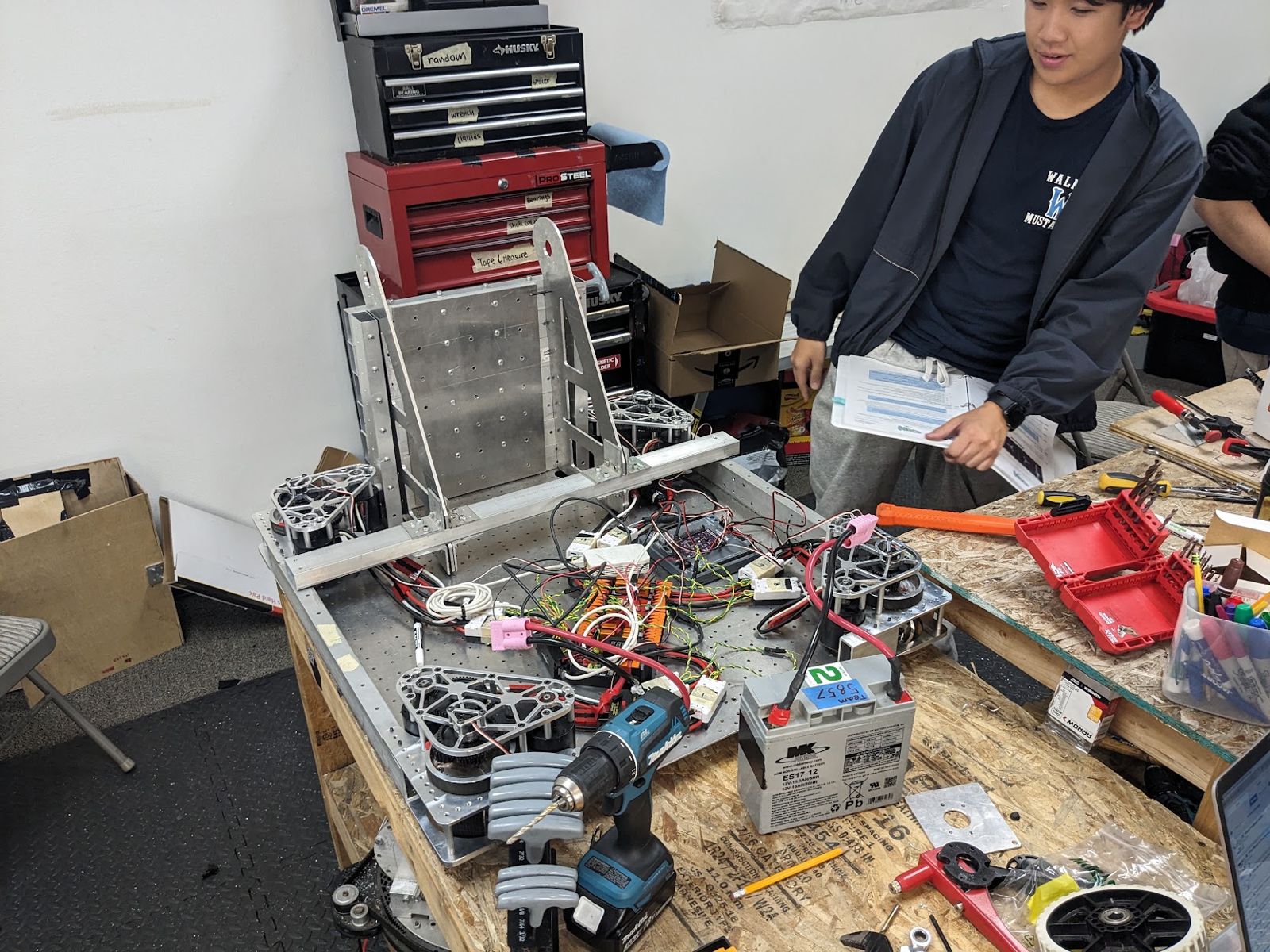
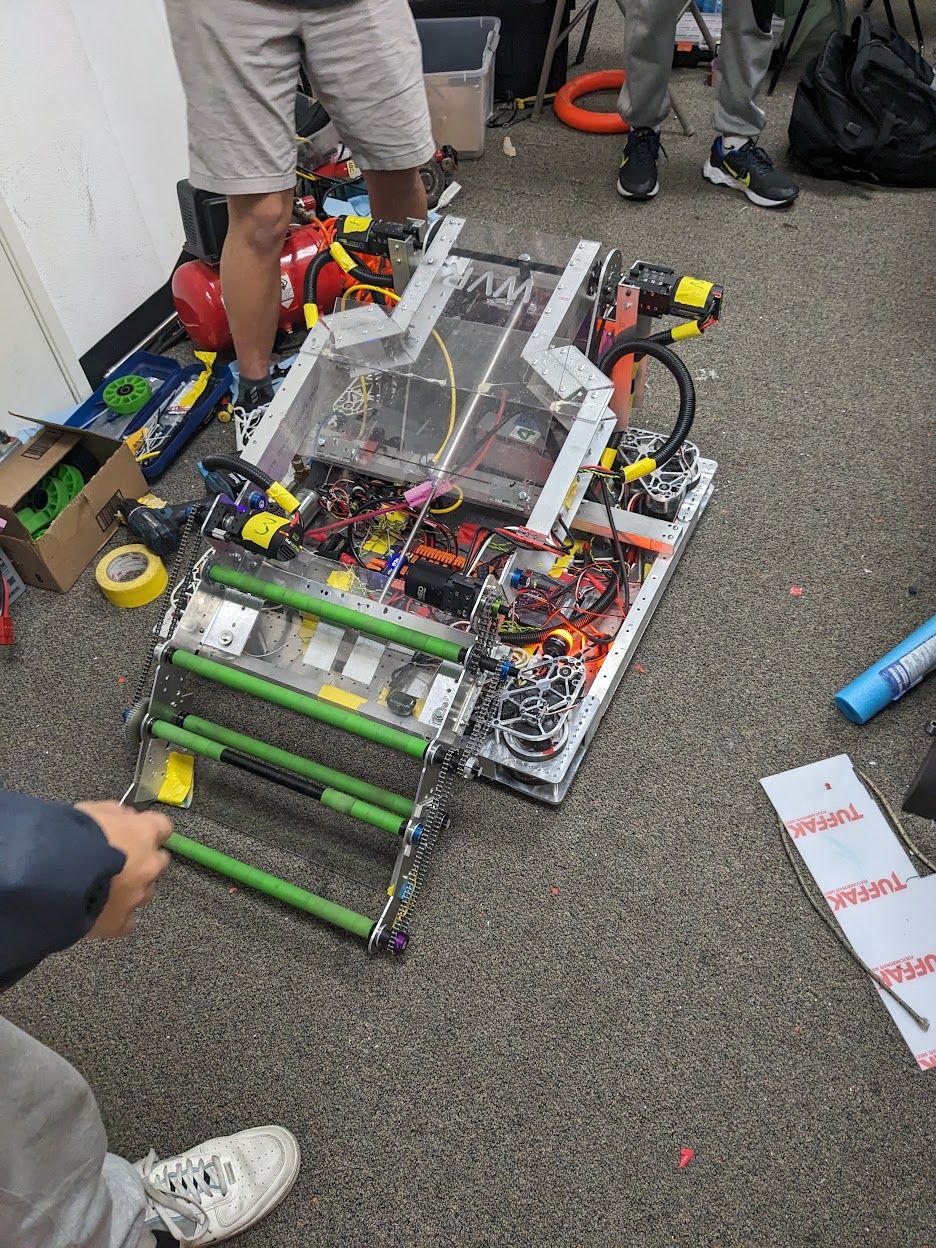
FRC 4014, the Pixelators, then Walnut Valley Robotics
FRC 4014, the Pixelators
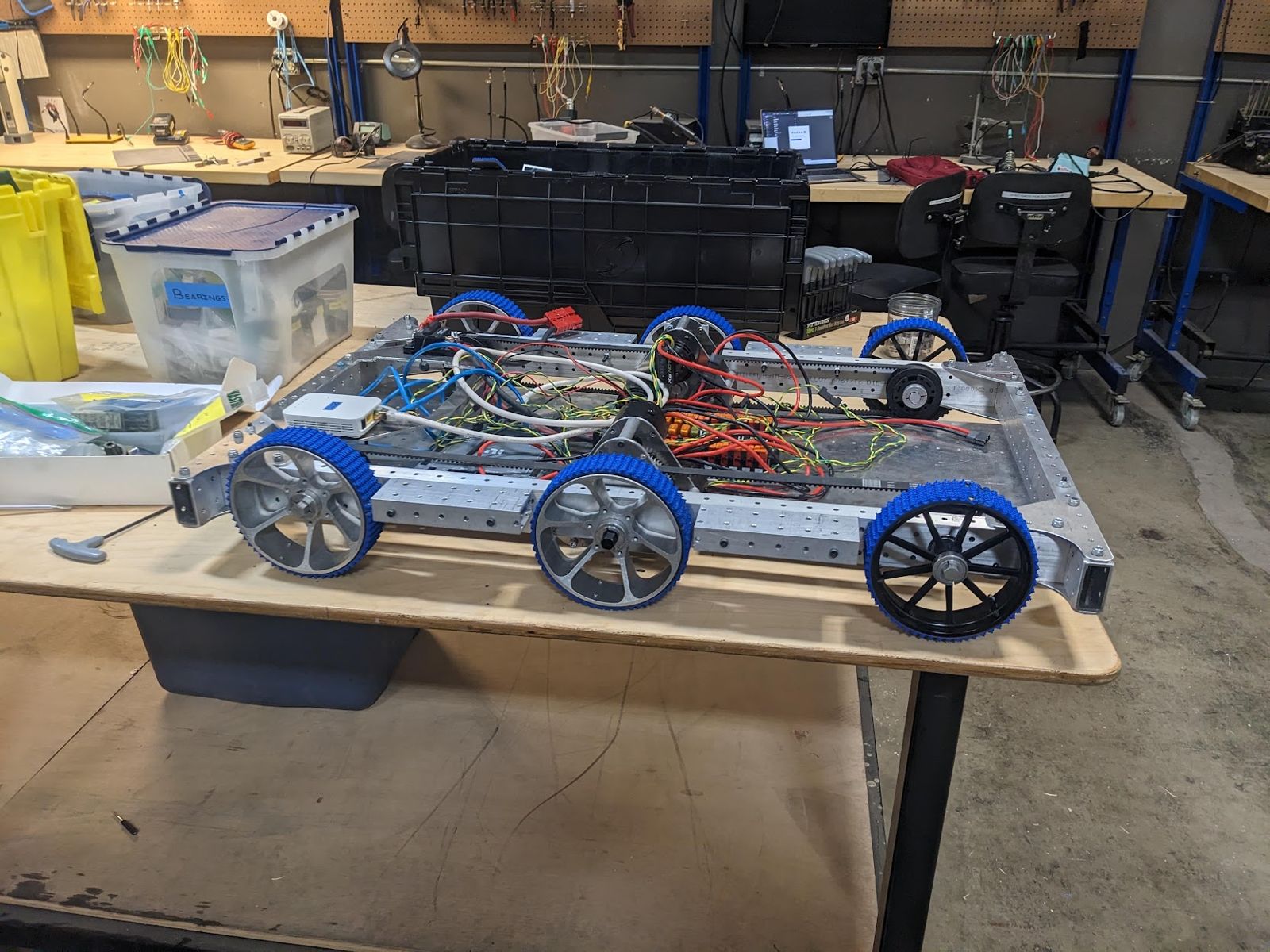
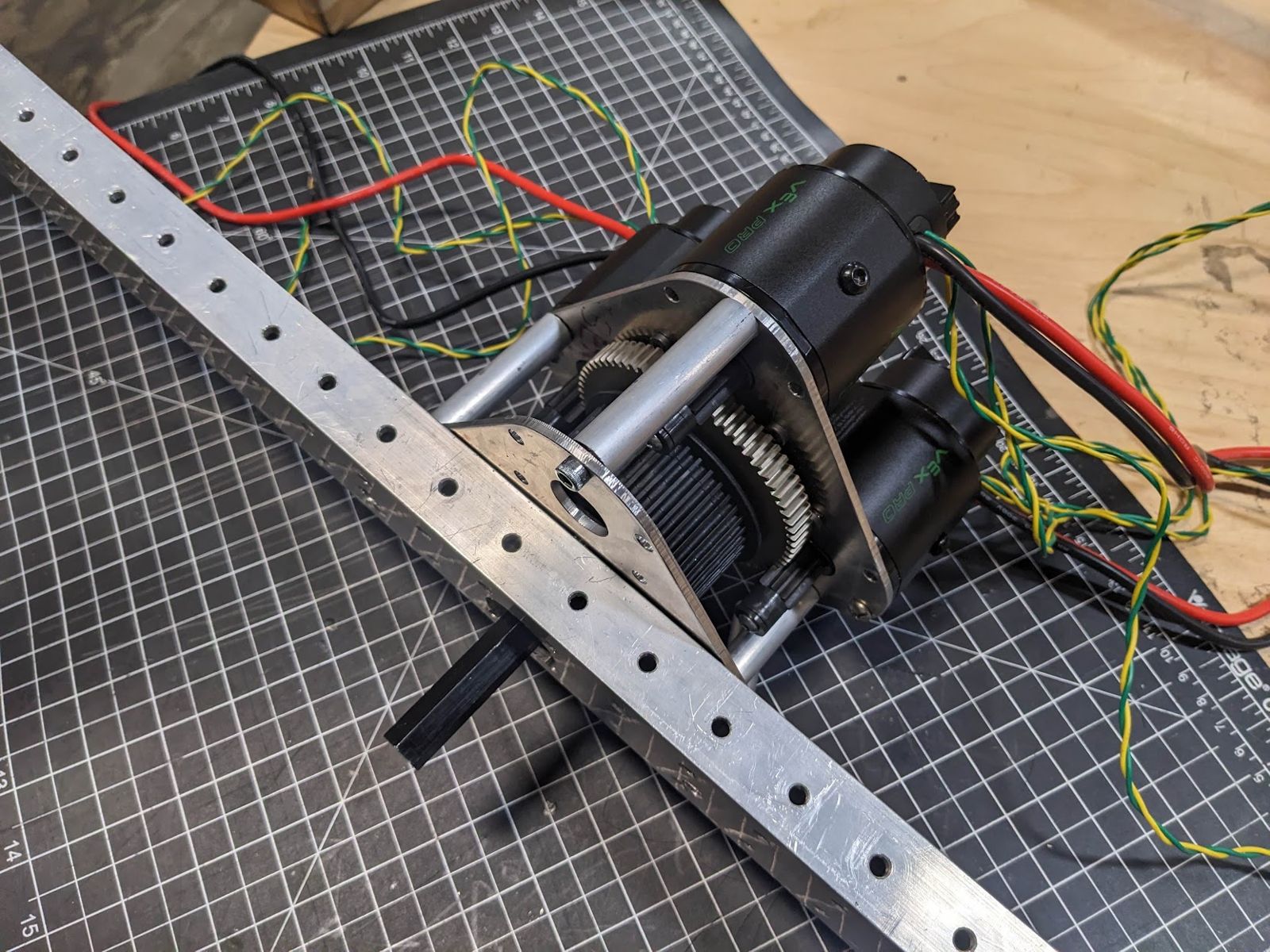
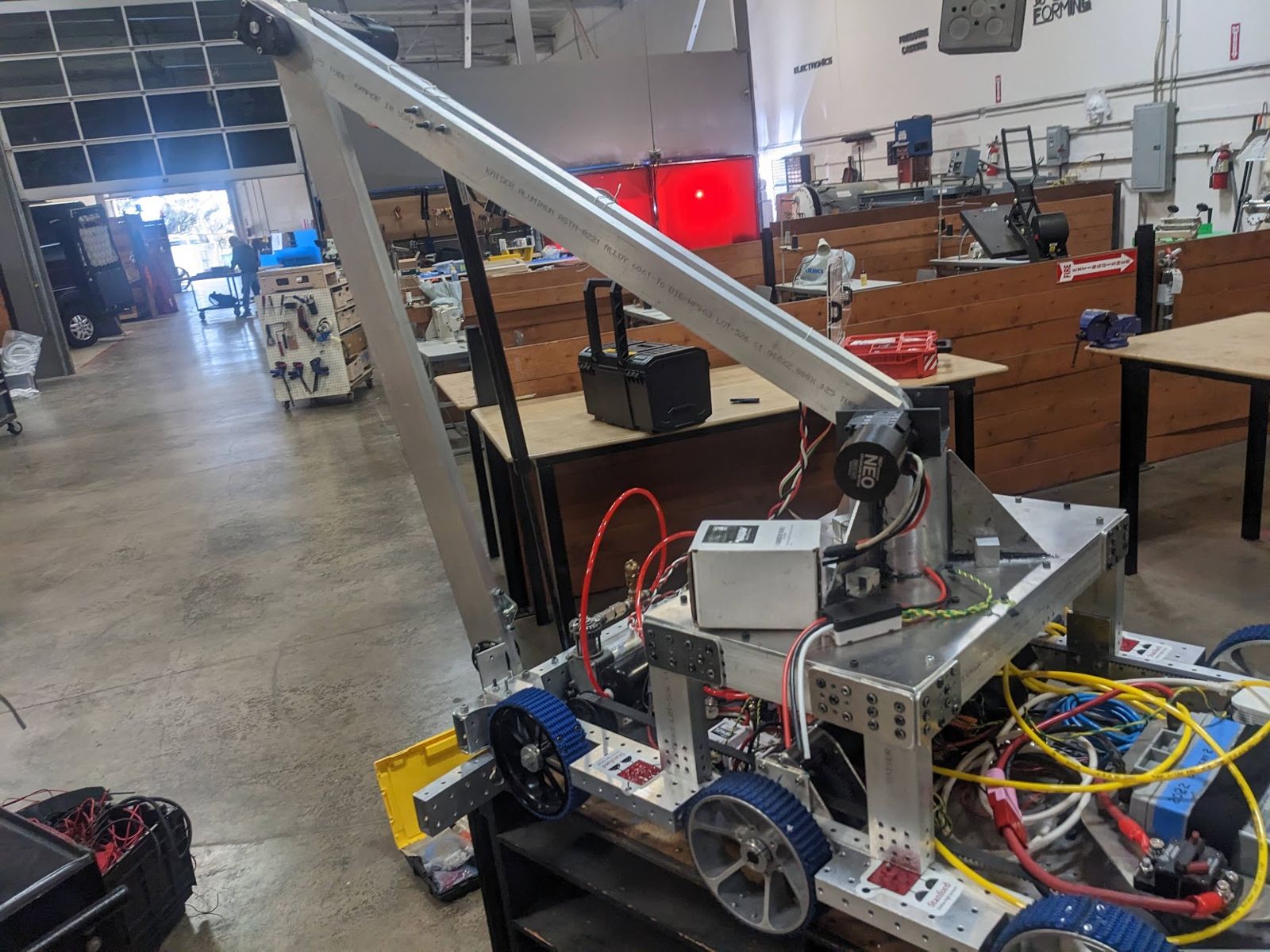
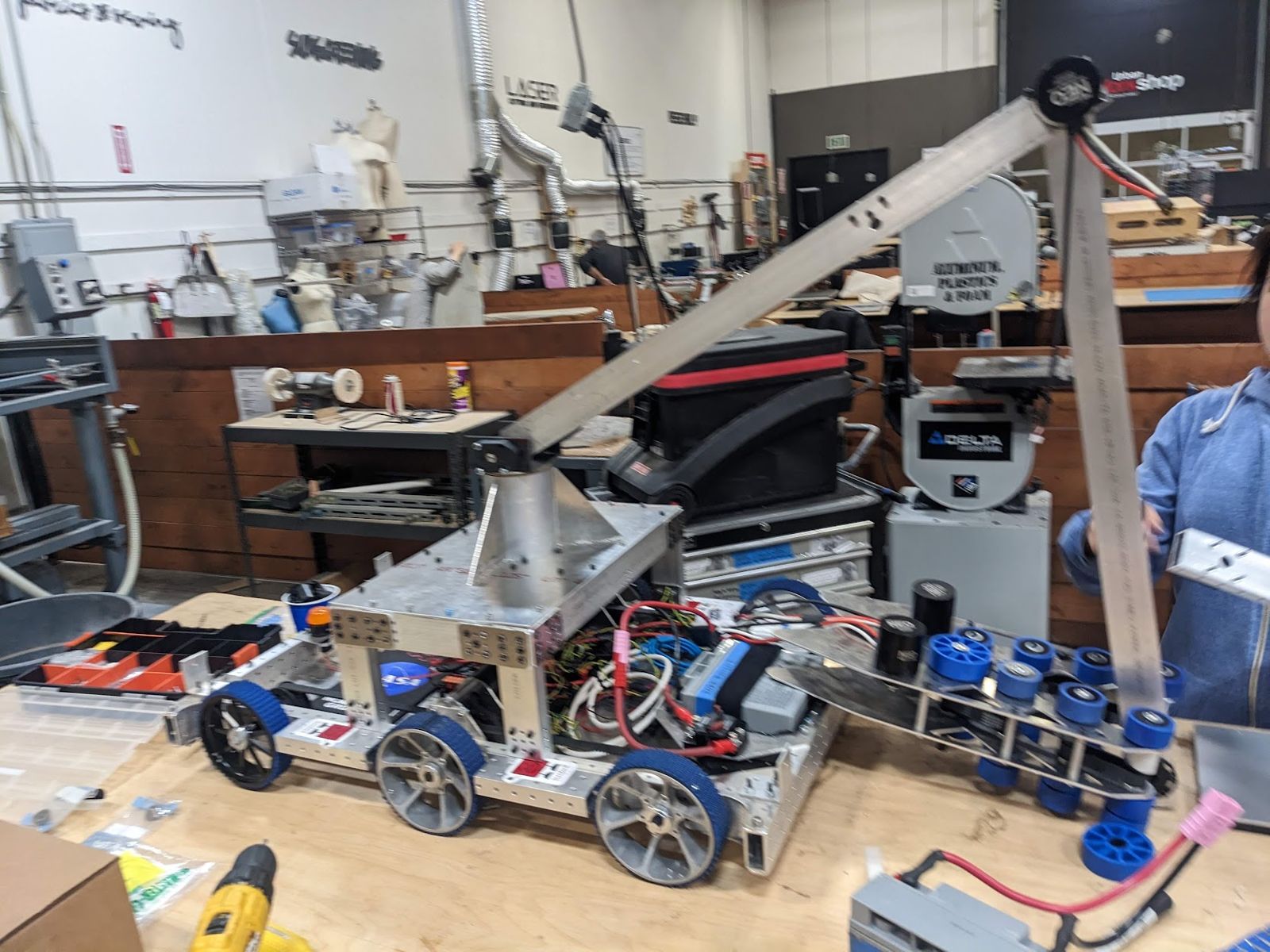
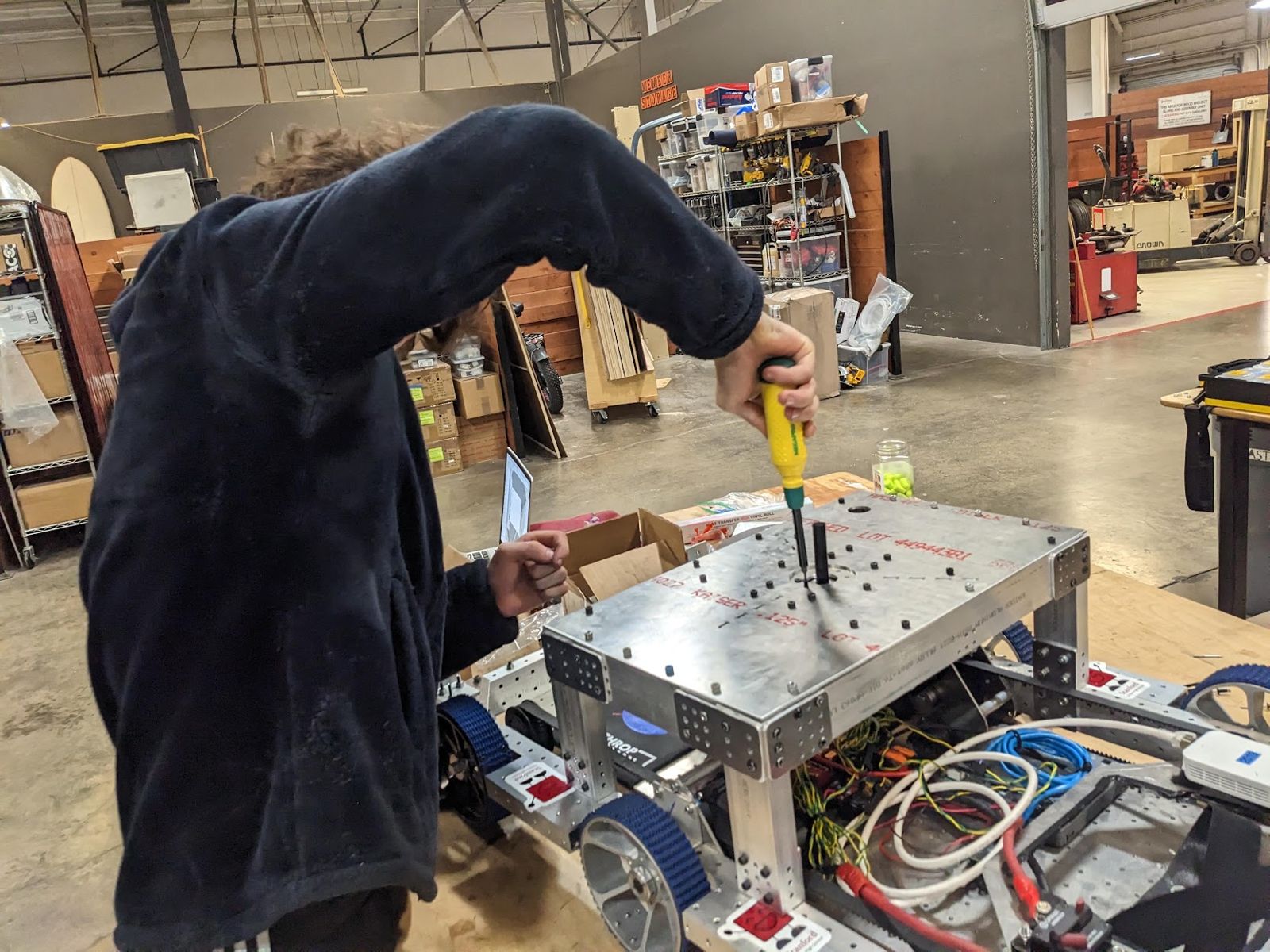
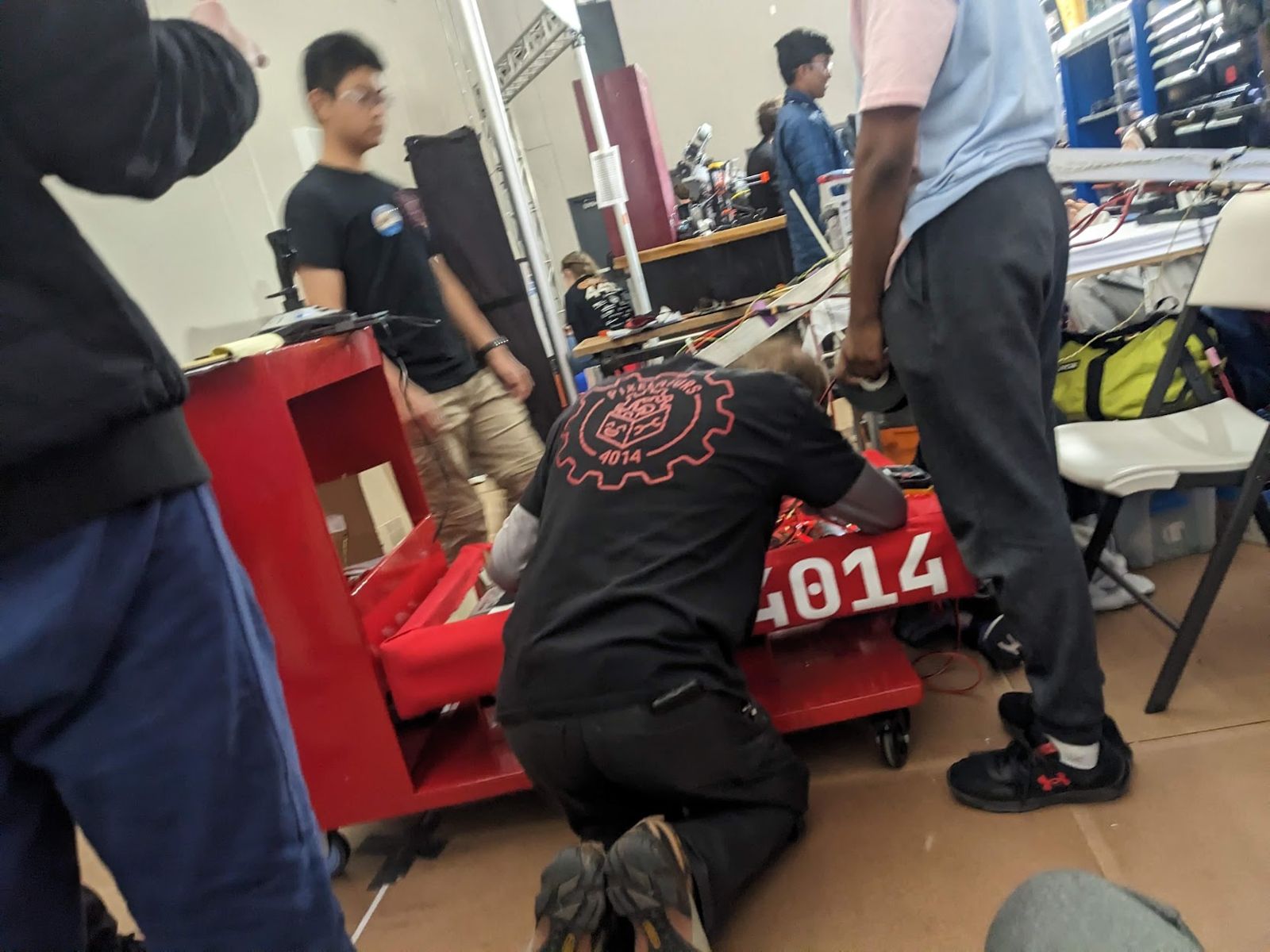
My first robotics team was 4014, an FRC team my school had. It was a hybrid team, about five of us in SoCal, and I led design for a design team of 30-something. That was my first leadership experience.
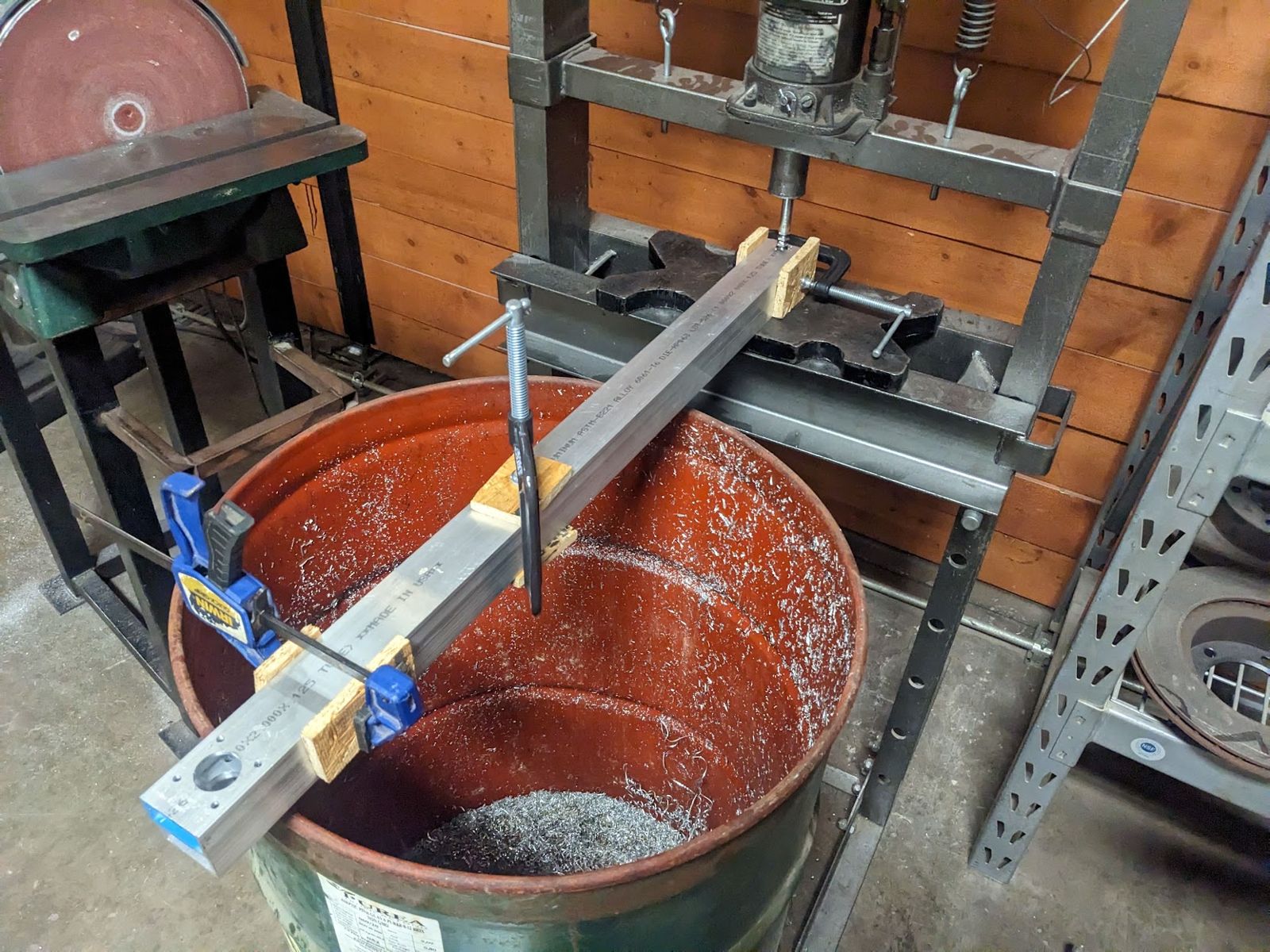
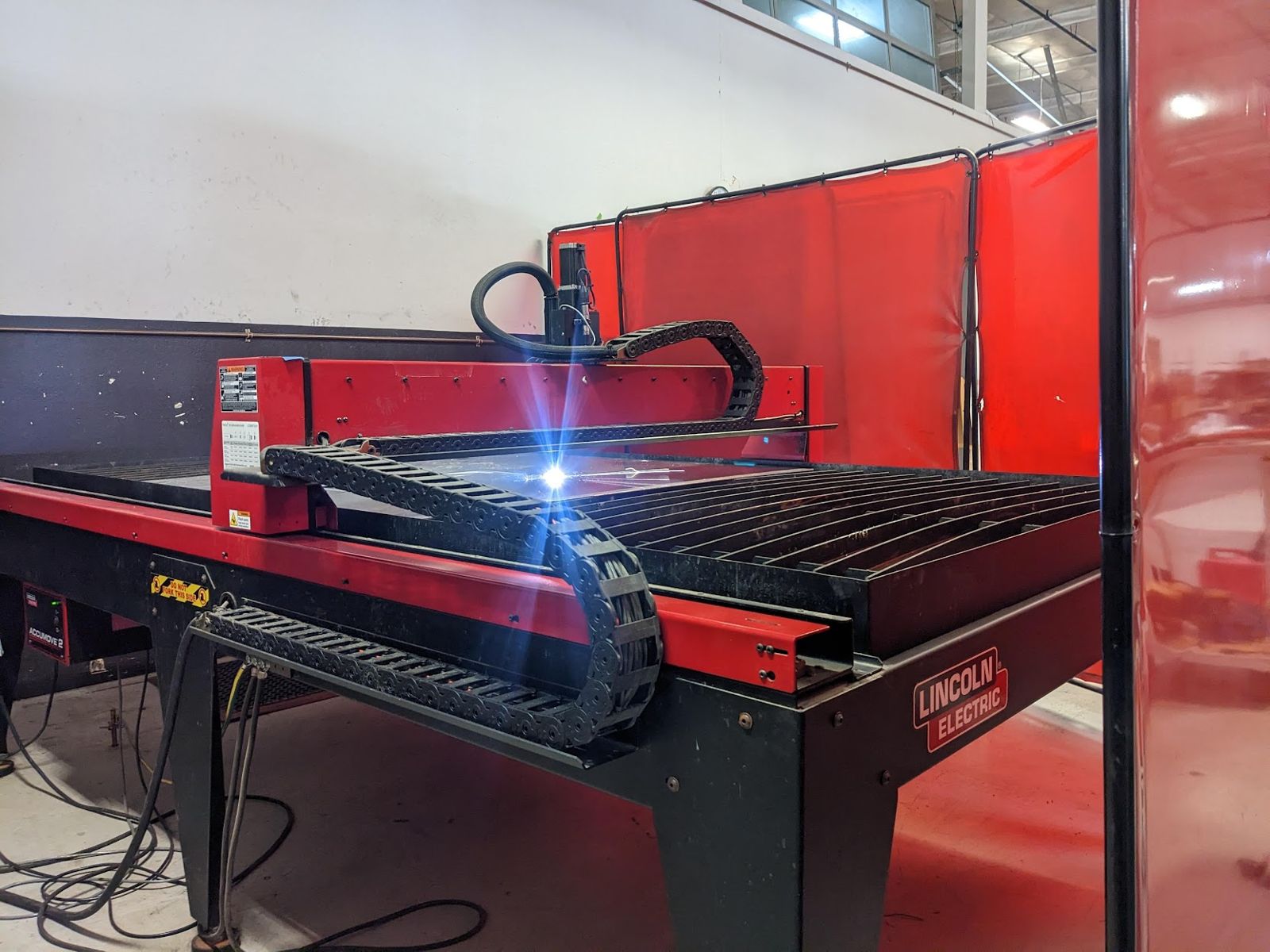
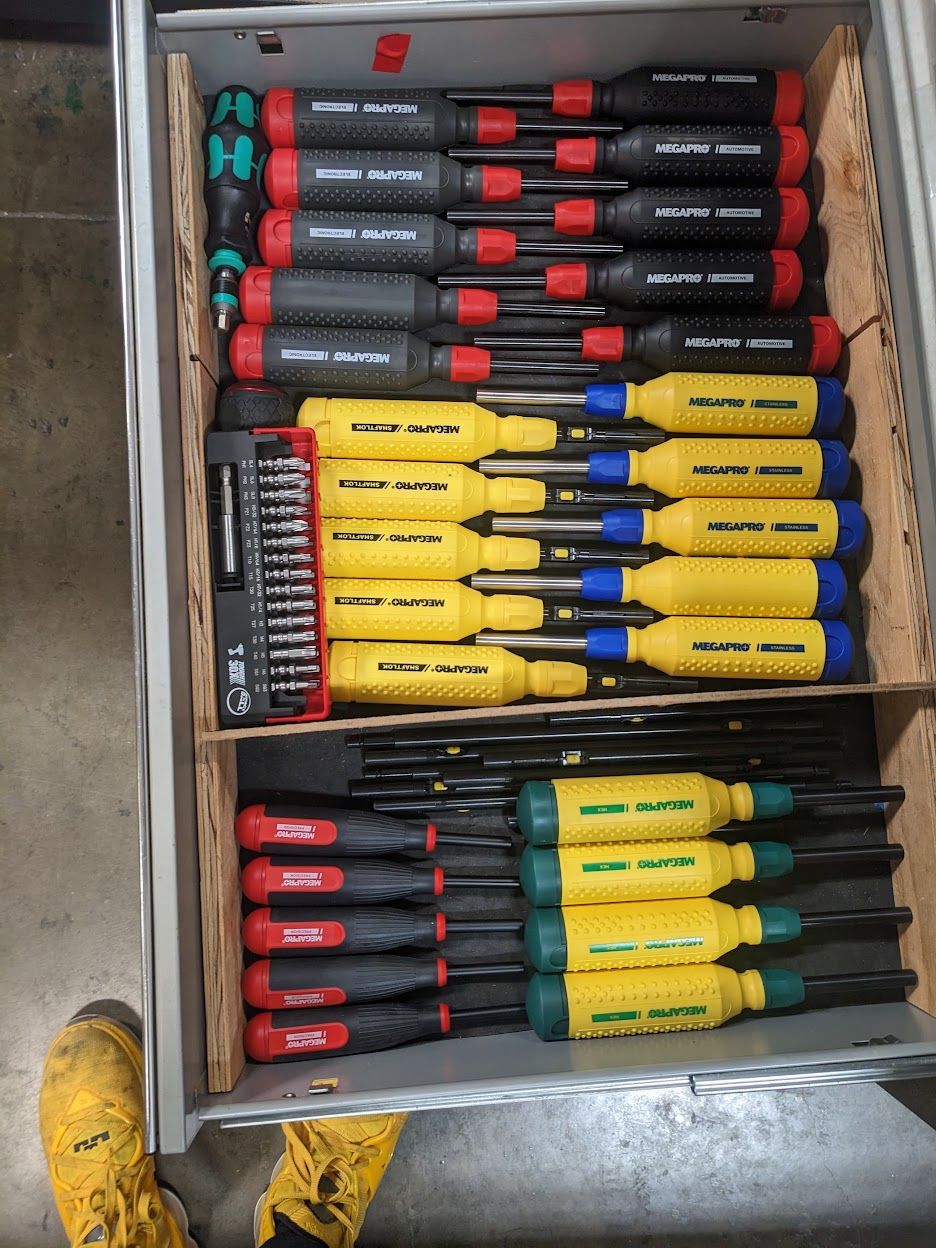
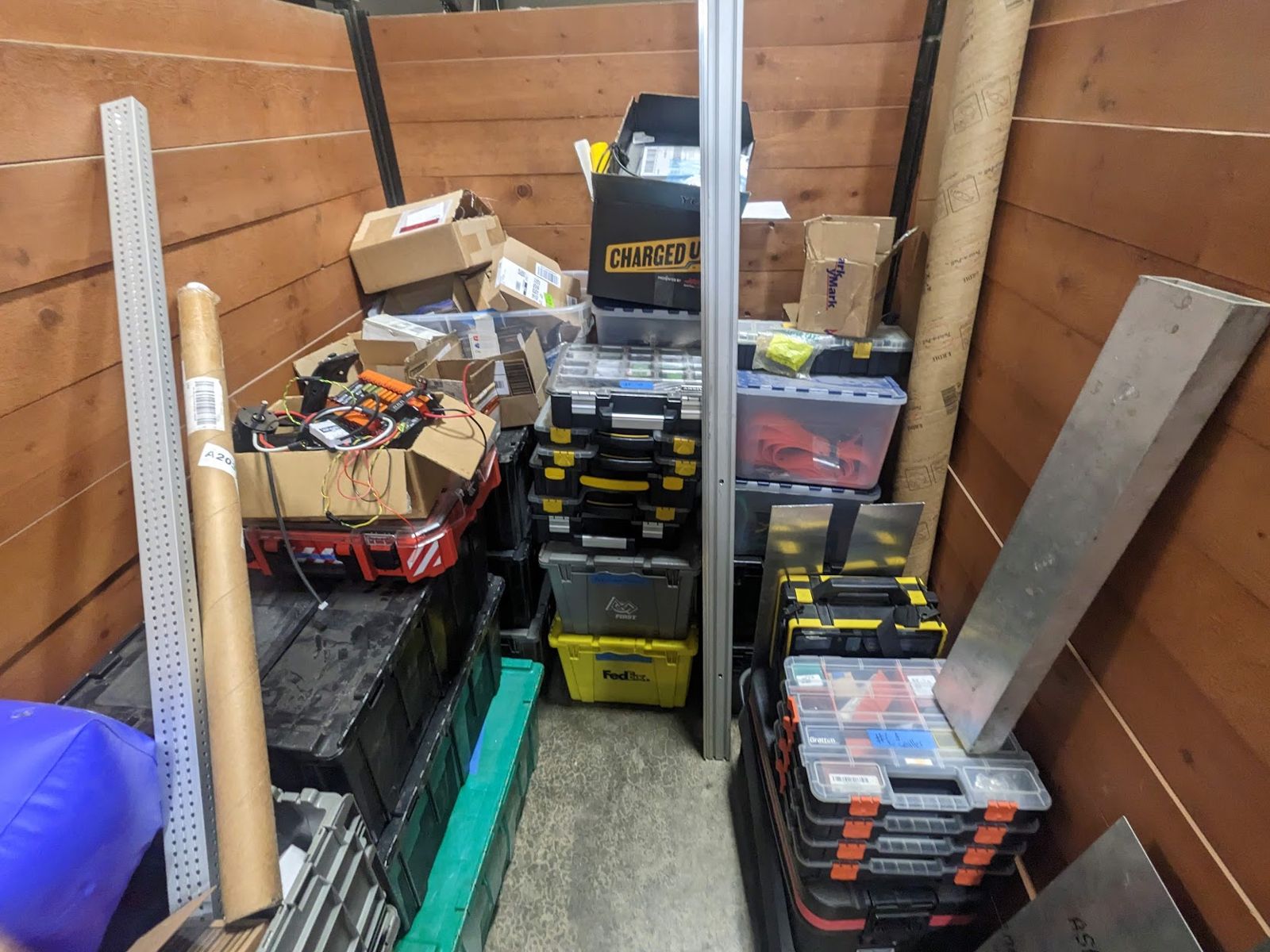
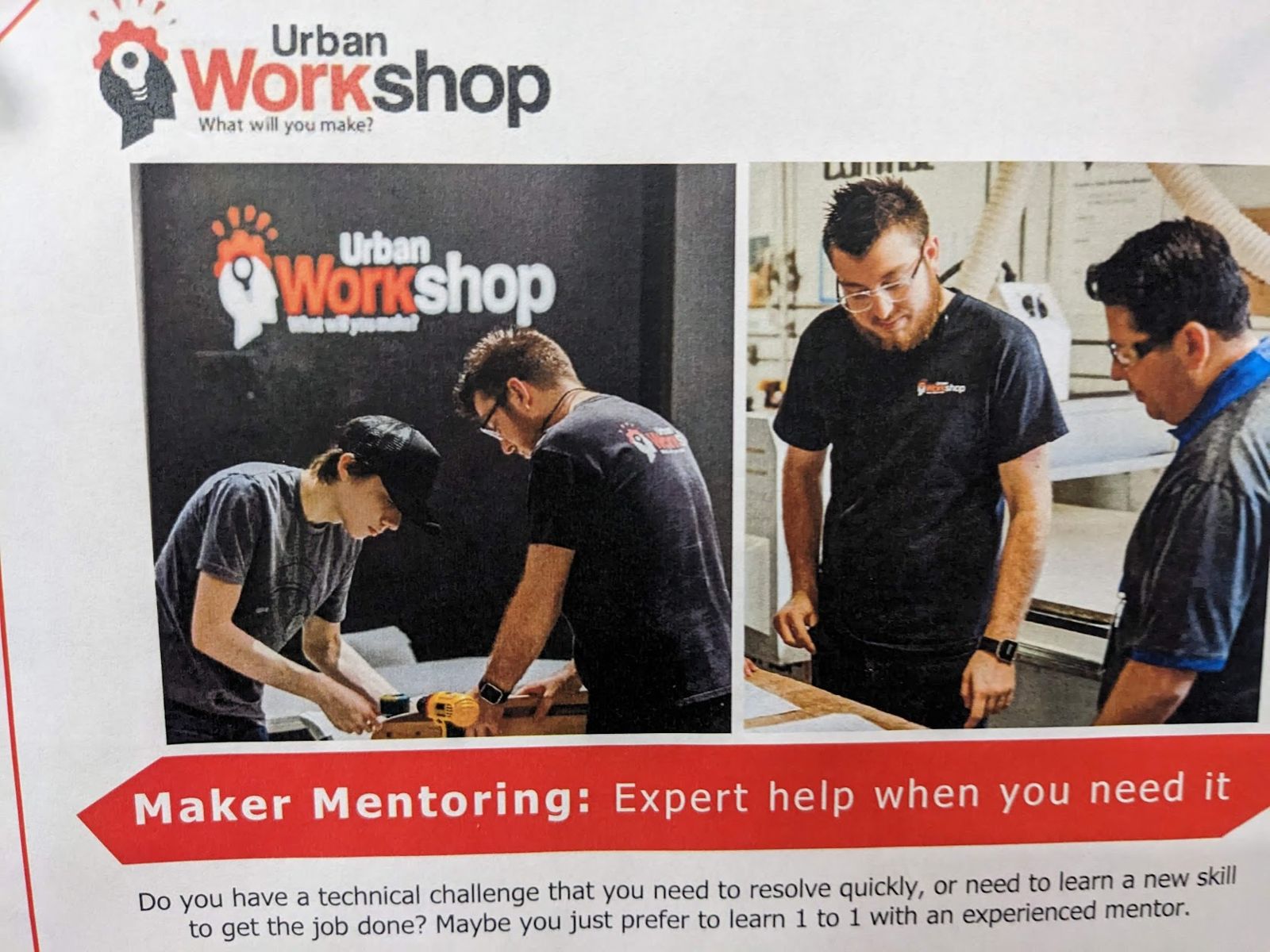
We worked at Urban Workshop, a community makerspace in Costa Mesa about 90 minutes from my house, which made it hard. But I learned so much from the people there: lifelong makers, machinists, and small business owners. Scott Stoltenkamp taught me machining. Jake, a mentor there, taught me more advanced CAD, since I was largely self-taught up to that point. MegaPro and a few other companies donated tools.
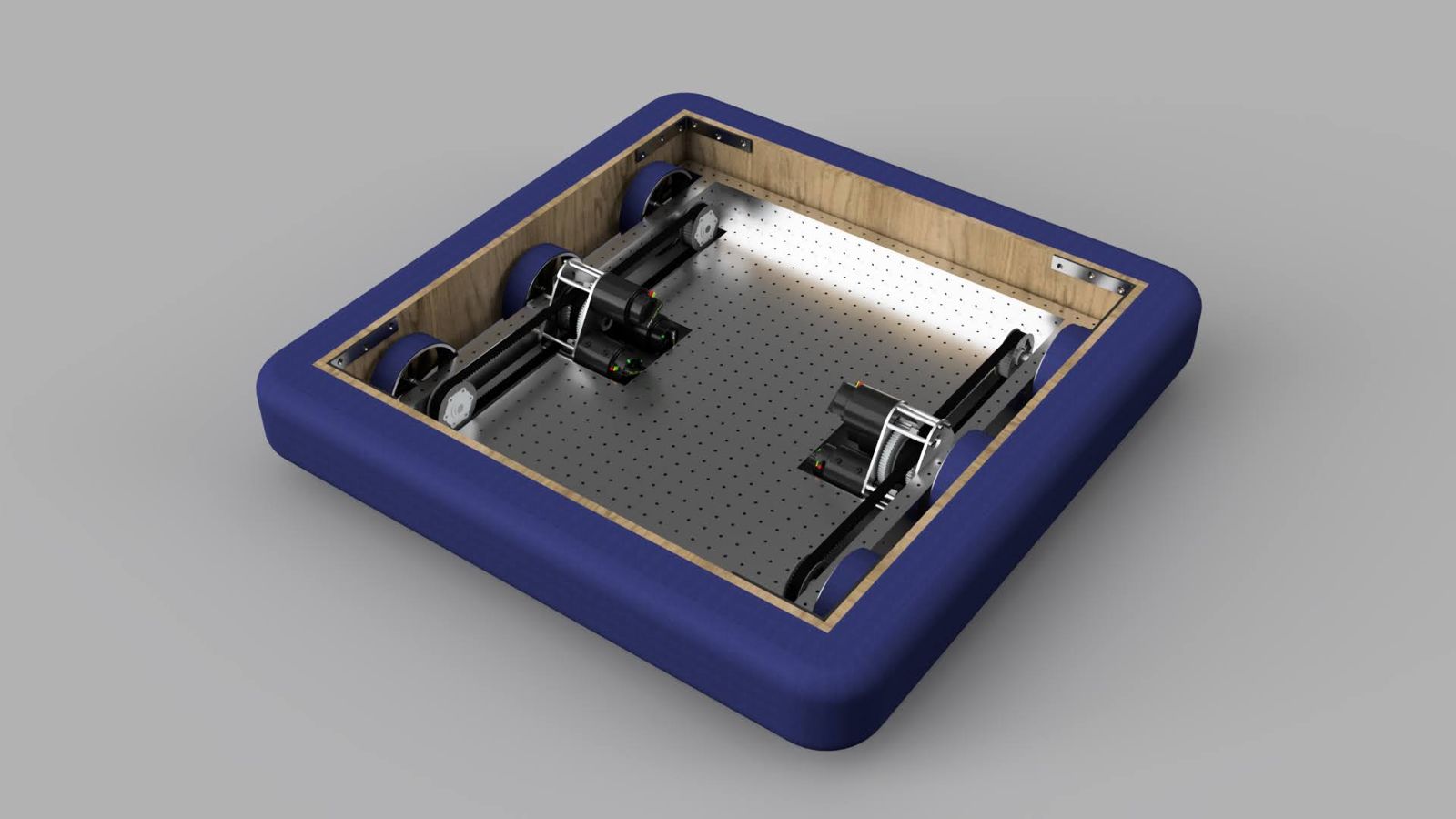
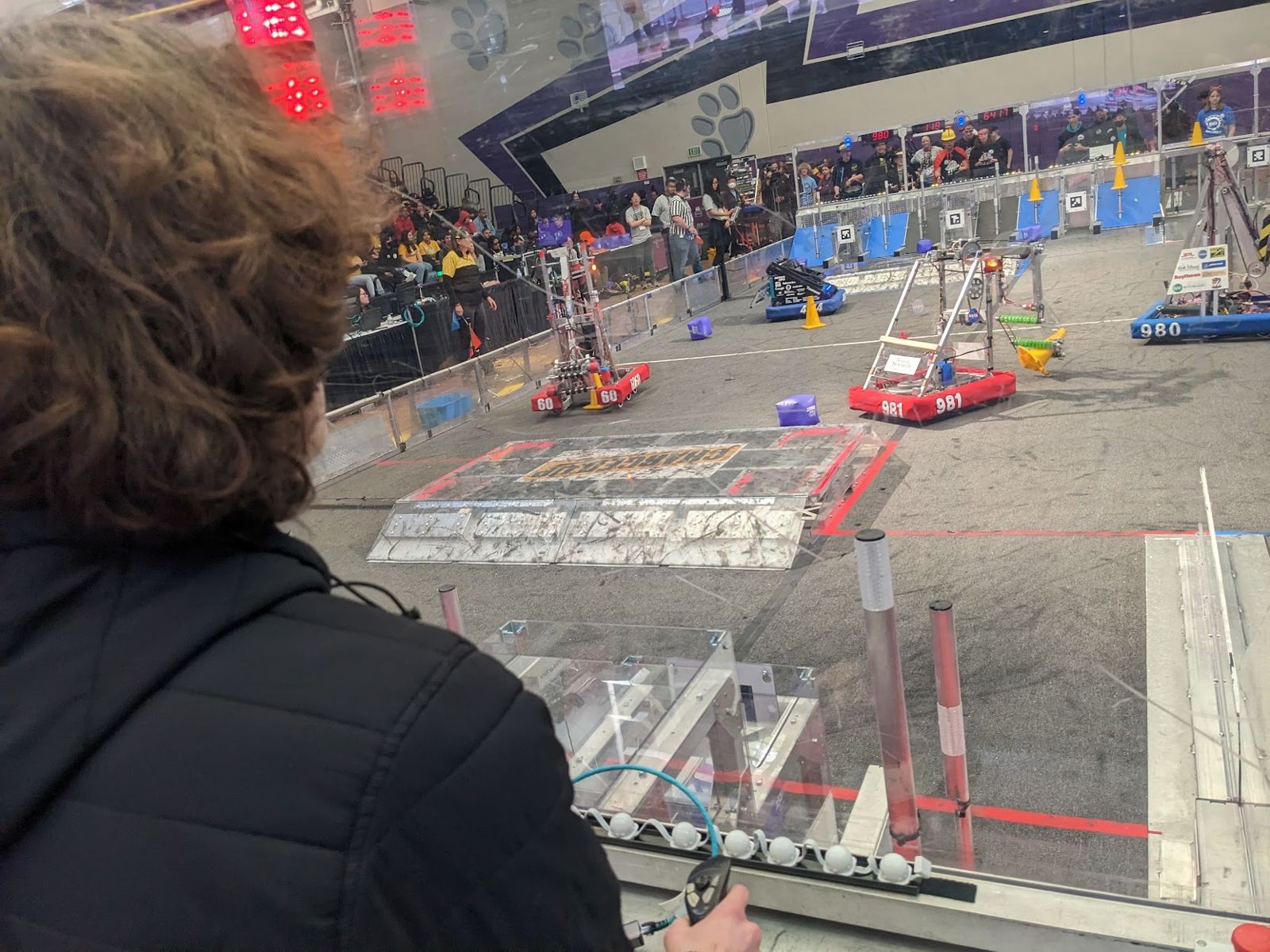
Walnut Valley Robotics
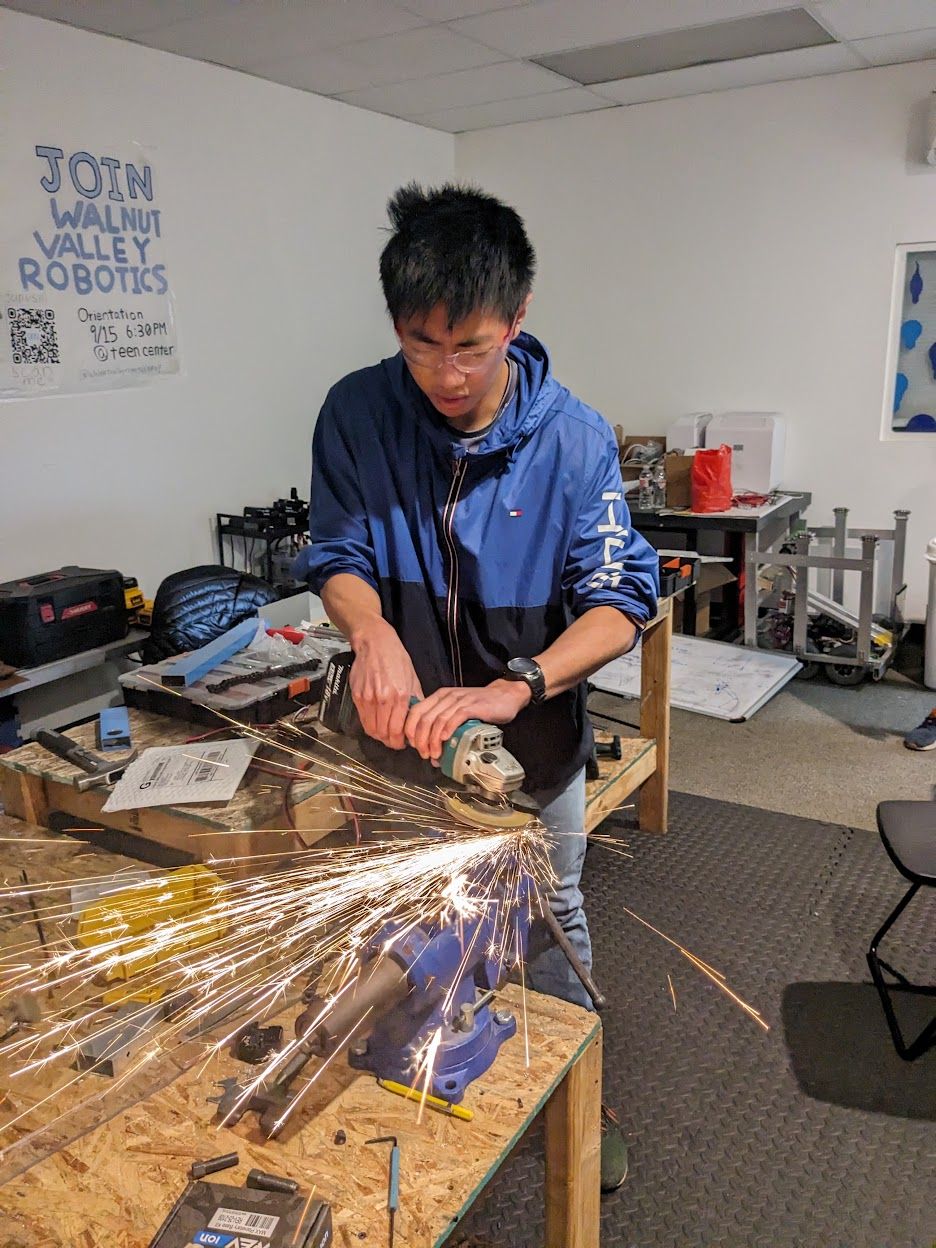
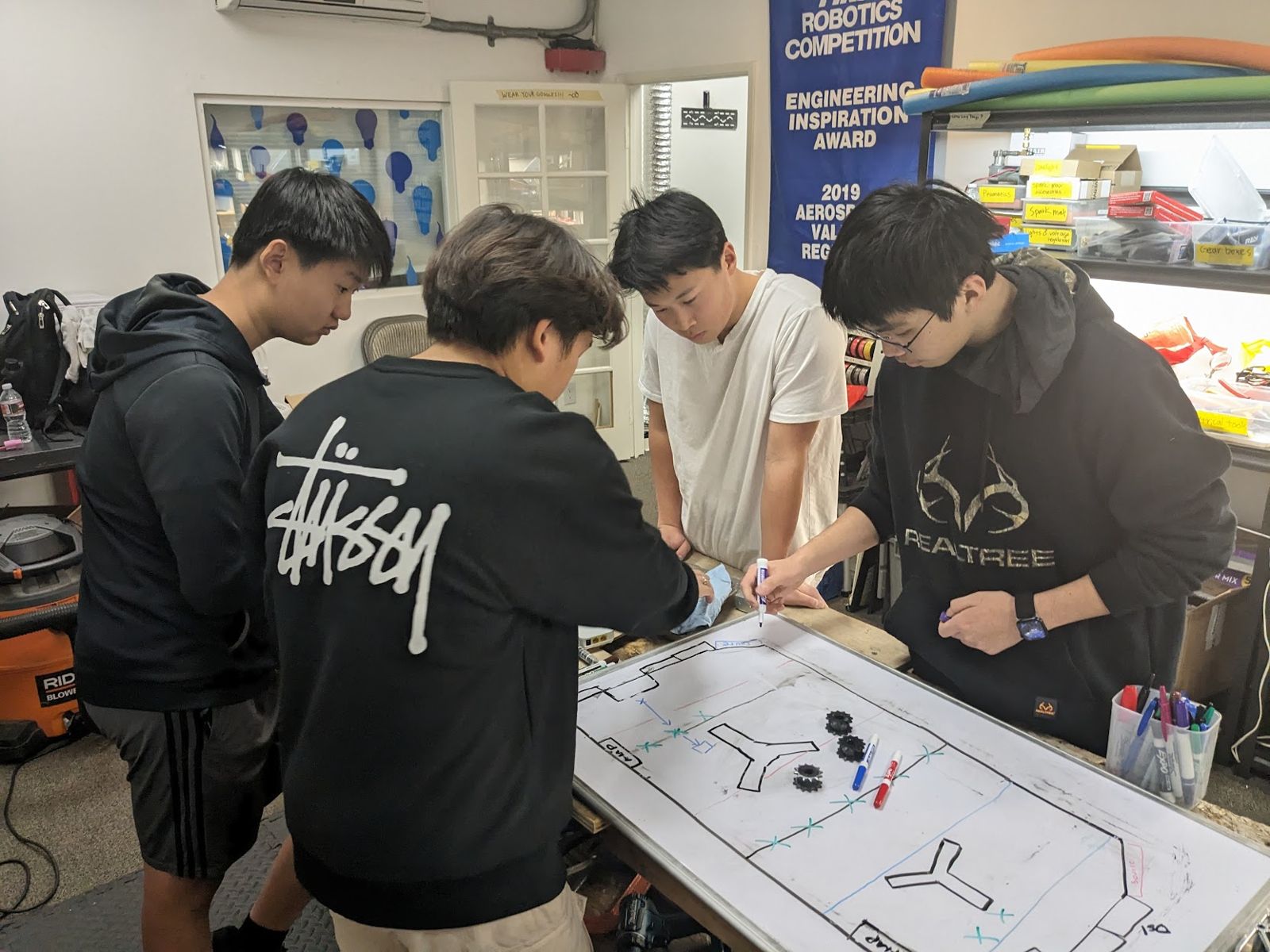
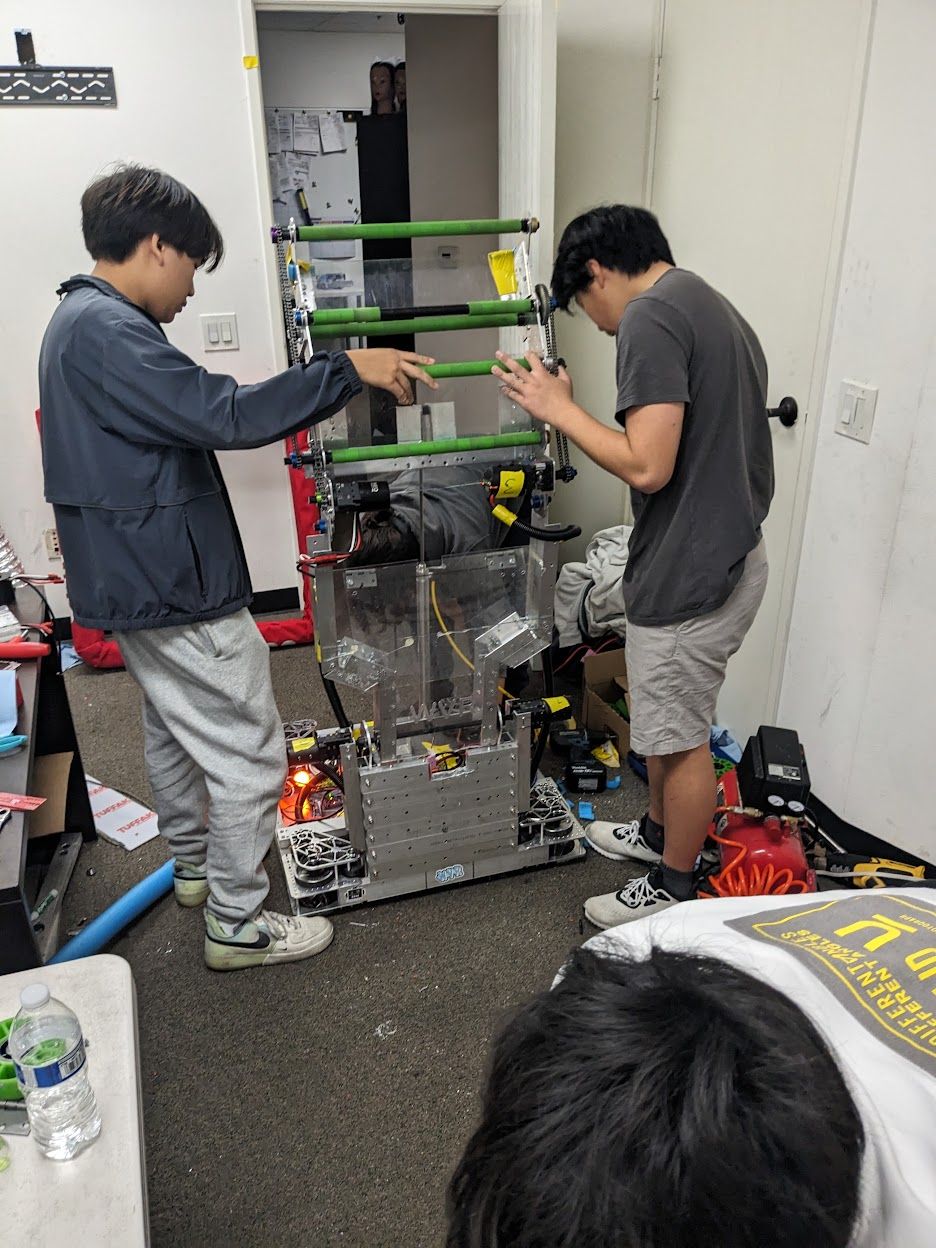
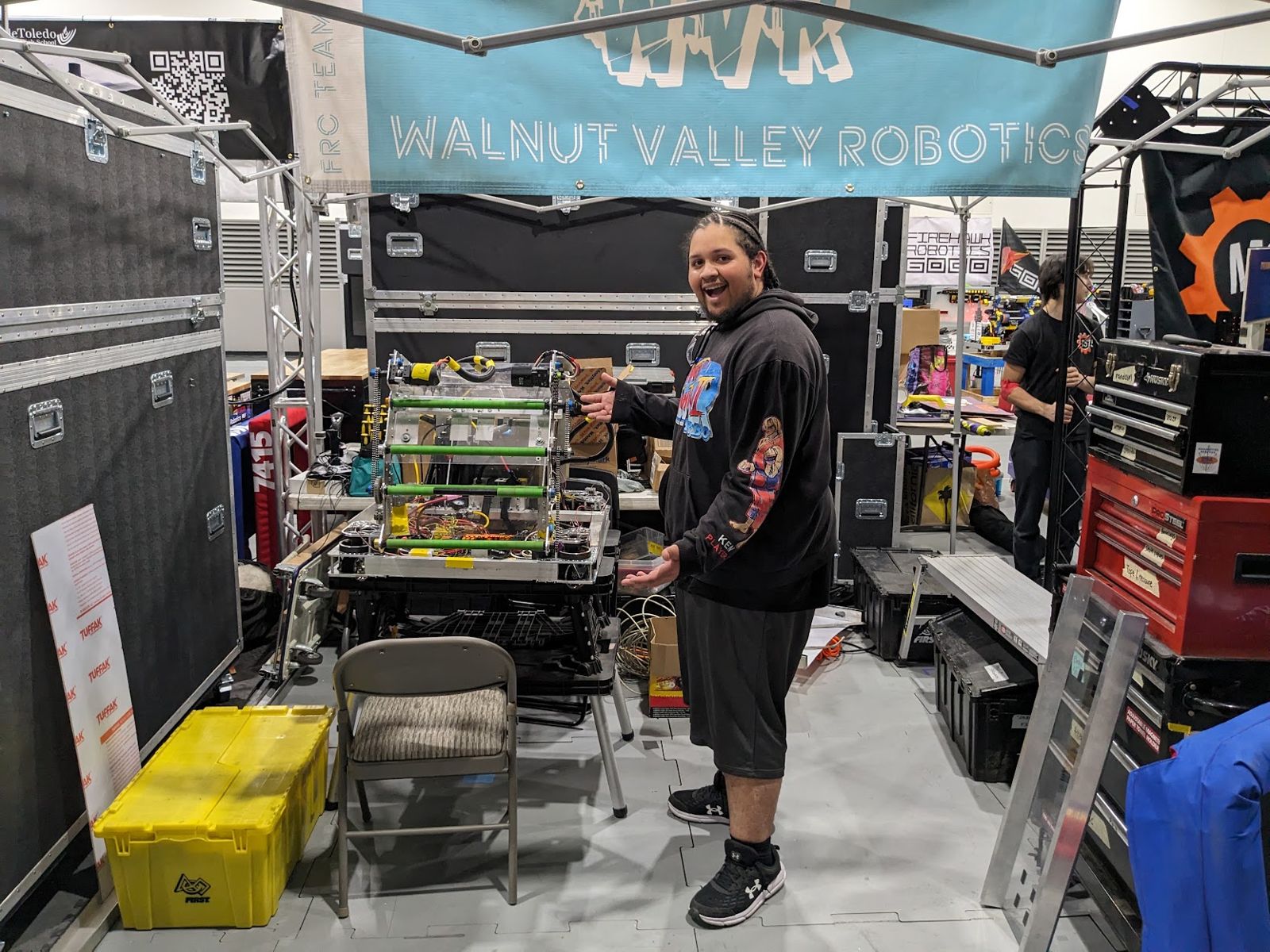
My second team. I was the design and CAD lead but also acted at a business-lead level, and contributed to programming, finding mentors, and all aspects of the team.
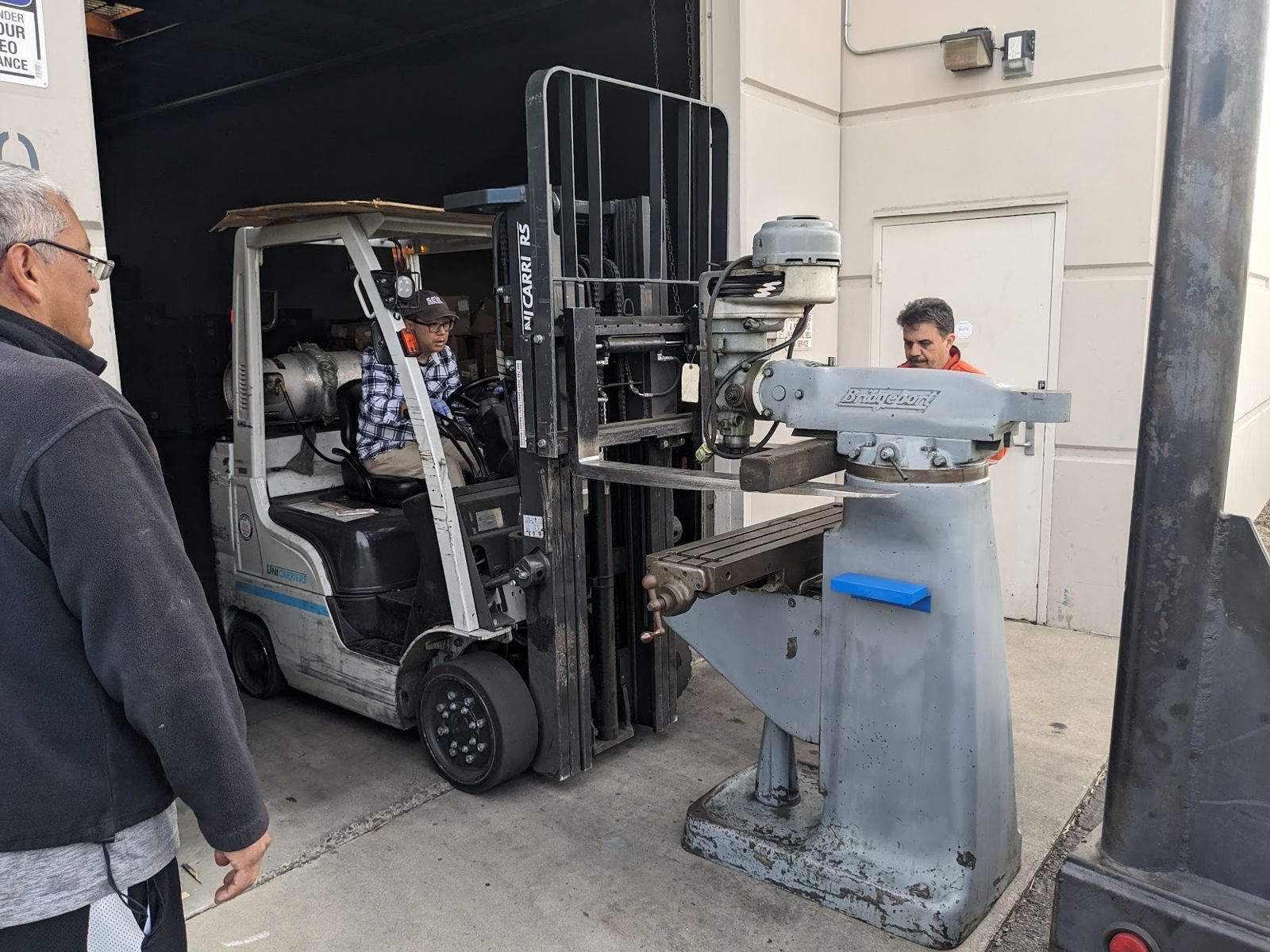
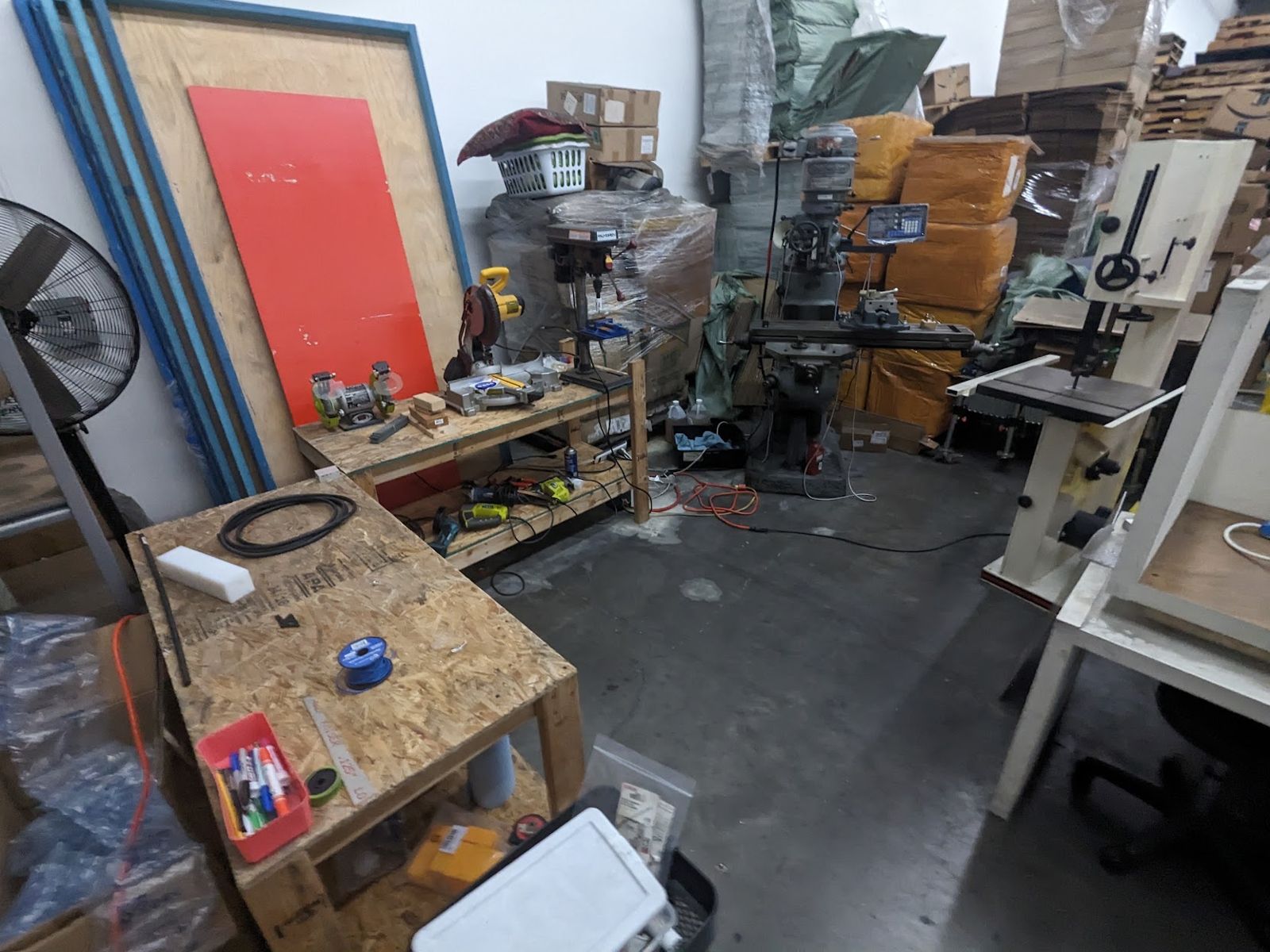
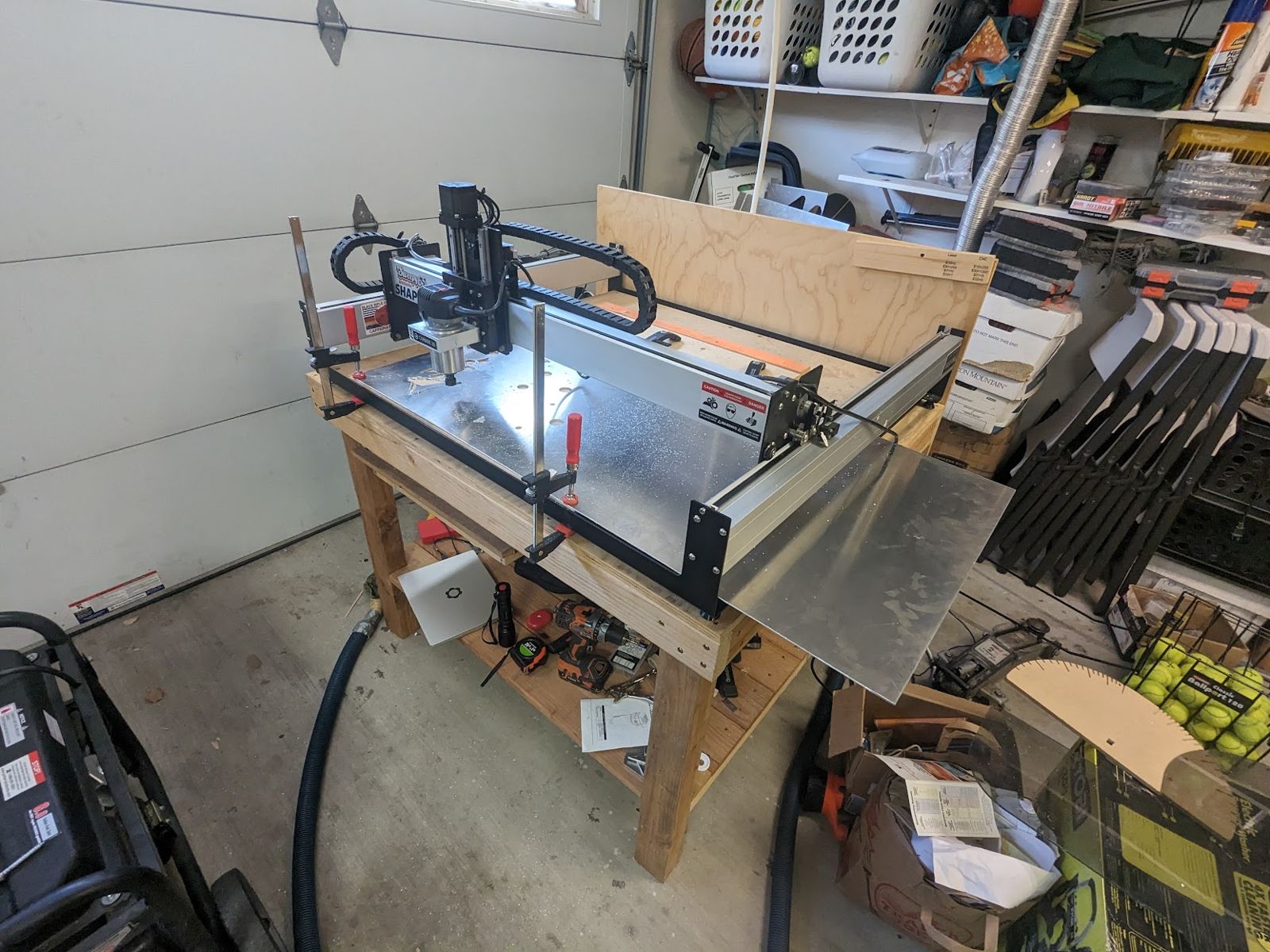
I got a Bridgeport mill and a bandsaw donated after reaching out to Wheeler Machinery in Pomona. Great people. I installed the DRO myself and trained the team on the machines. I also cut parts for the robot on the CNC in my garage.
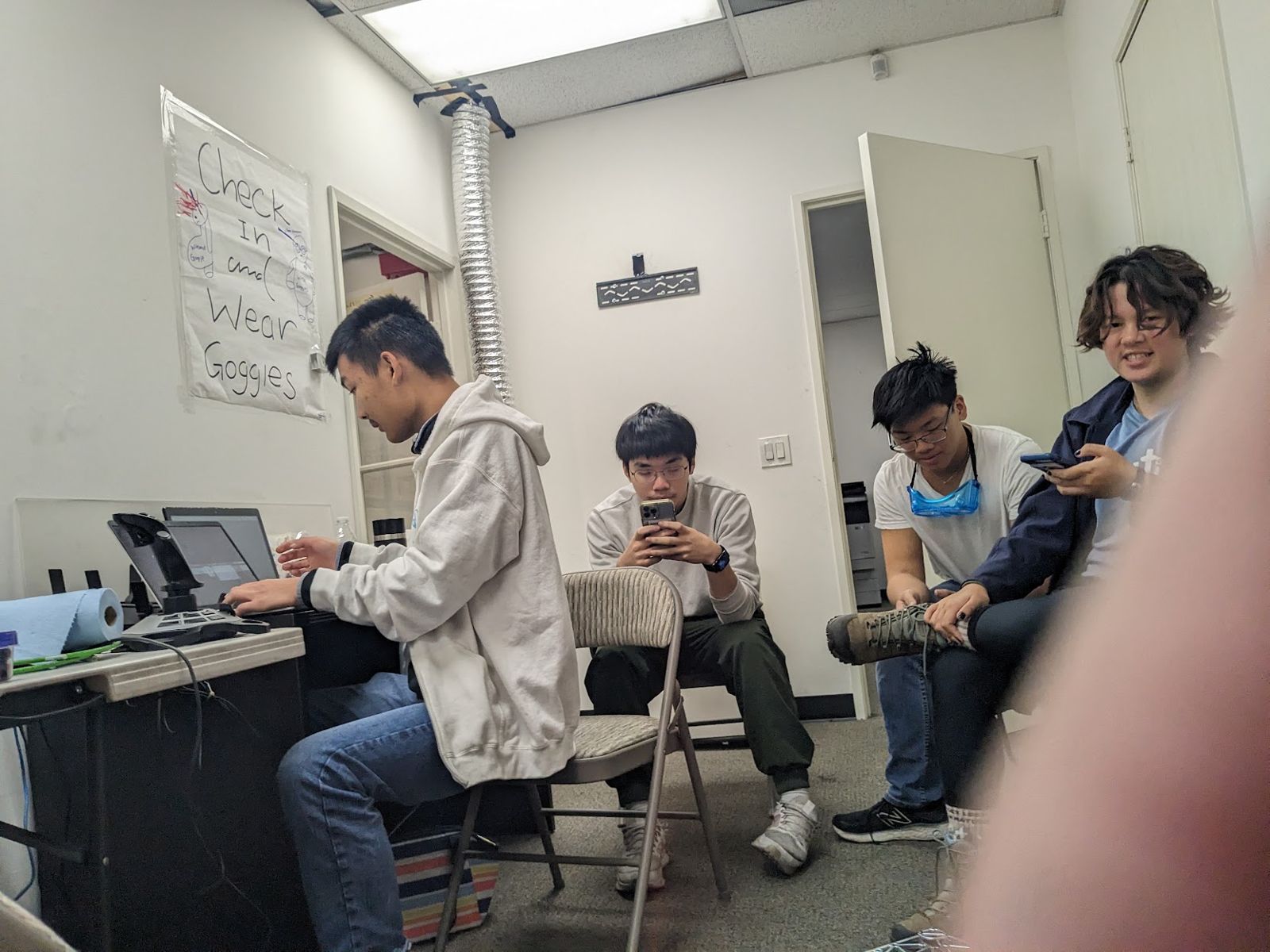
We set up a check-in system to get members more involved. We figured if they could track their hours more easily they would show up more, since the hours were technically volunteer hours and many students were using them for college applications. A creative solution to a problem we saw.
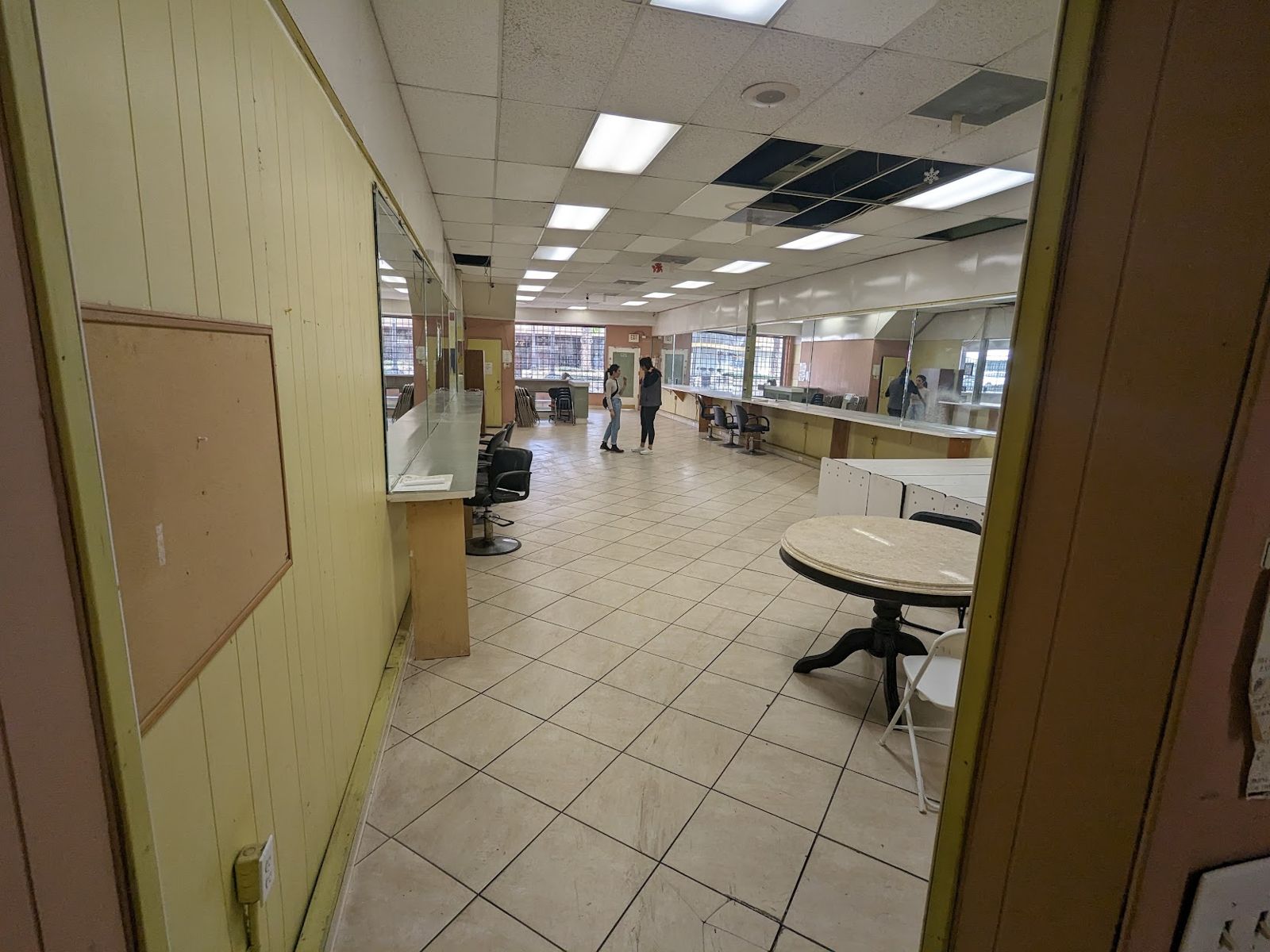
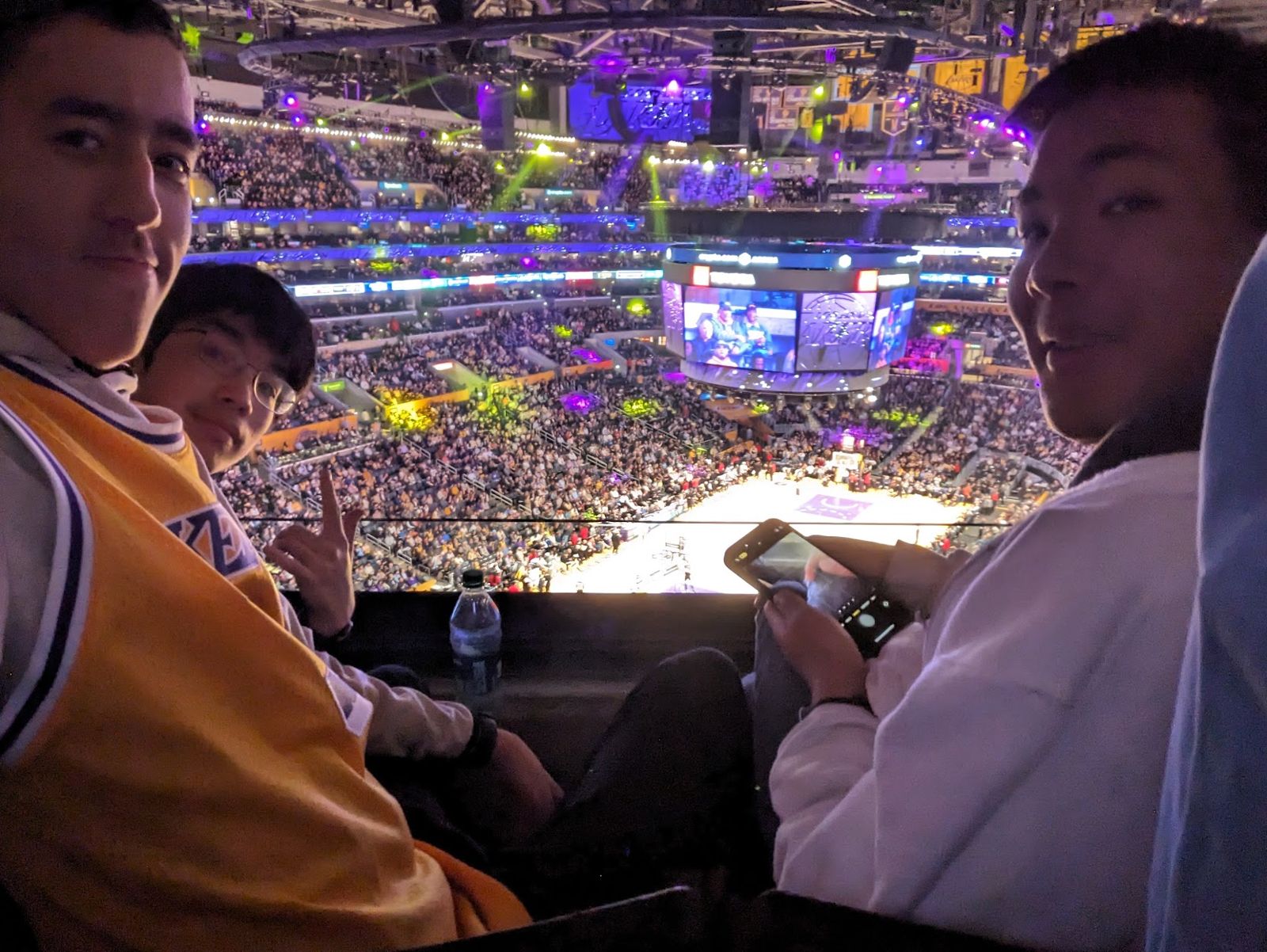
Our landlord raised rent and tried to break our contract. A lot went wrong that year, from funding to housing for the team, and we made it through. It taught me a lot about perseverance. The team also went to a Lakers game thanks to a donation the Lakers made after I reached out.
When I joined robotics teams I learned about fundraising and sales and everything it takes to build great products and companies, and I've been hooked ever since.
EnableTech
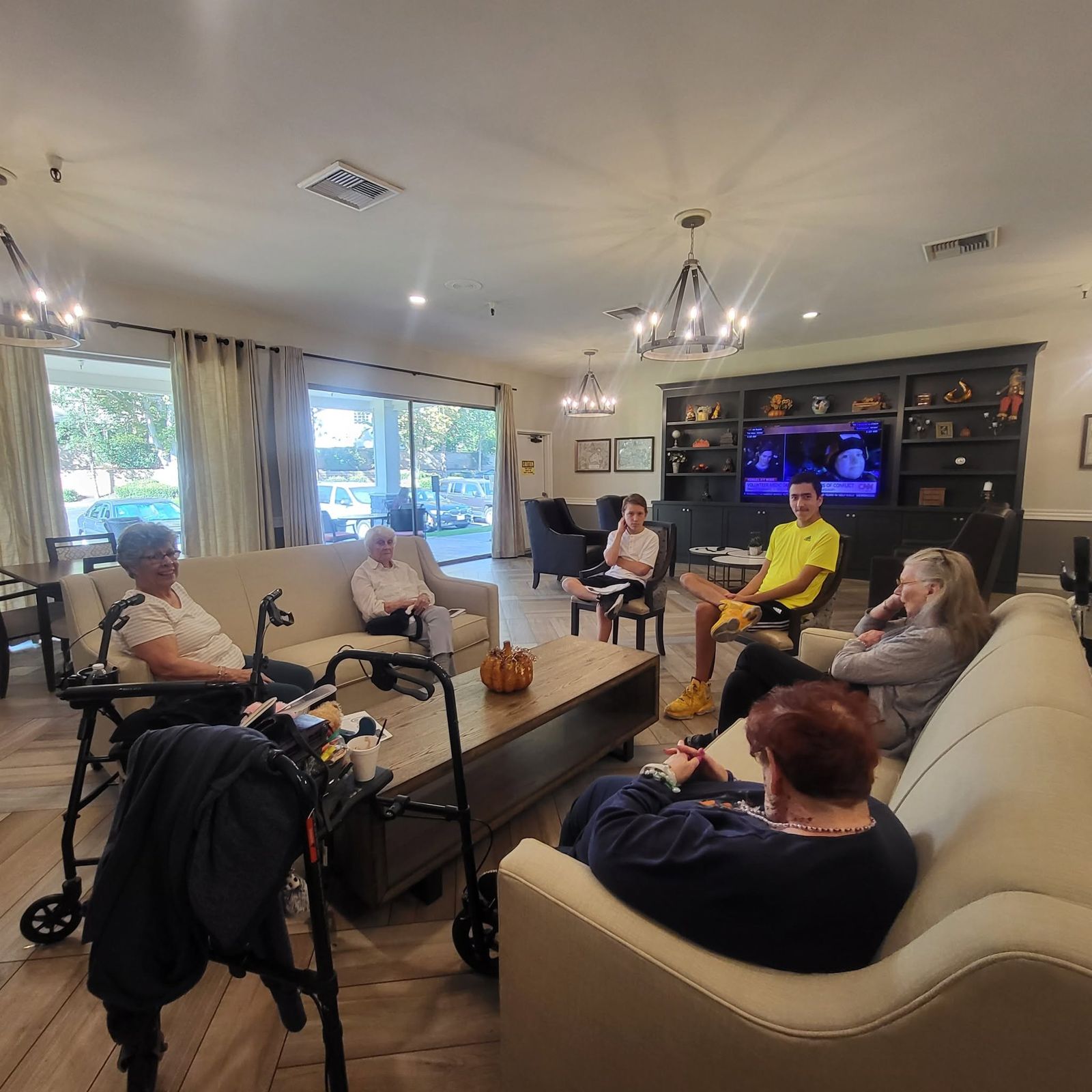
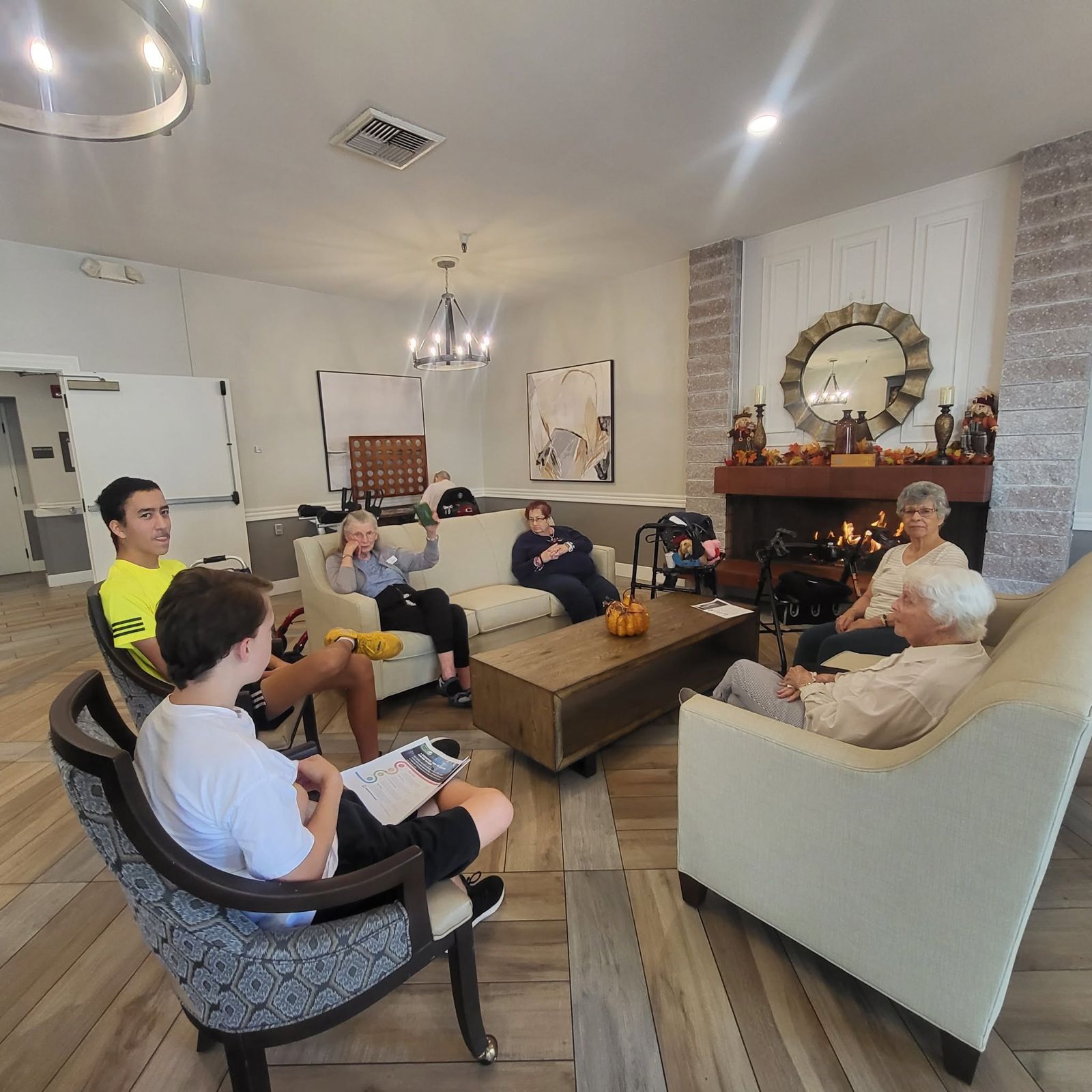
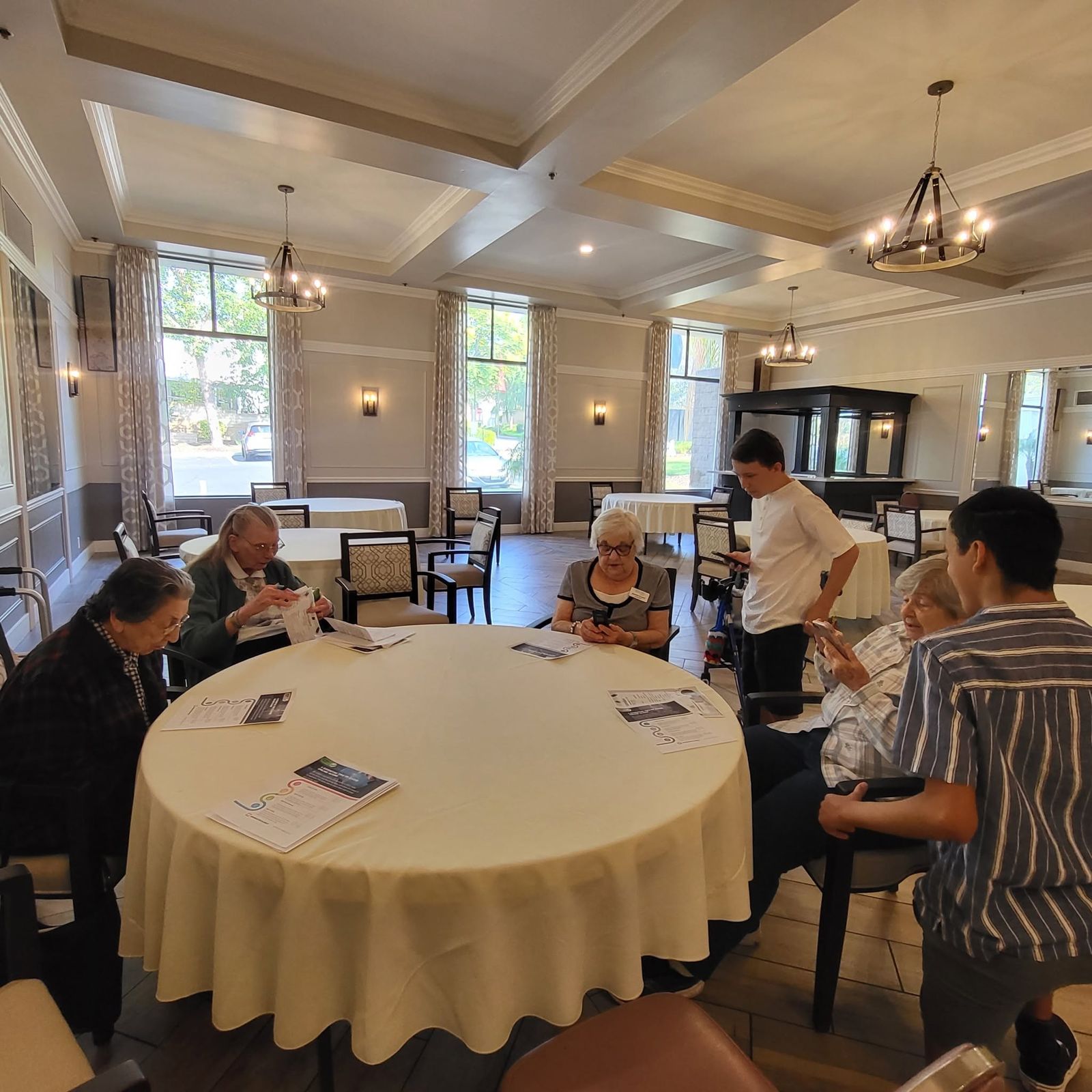
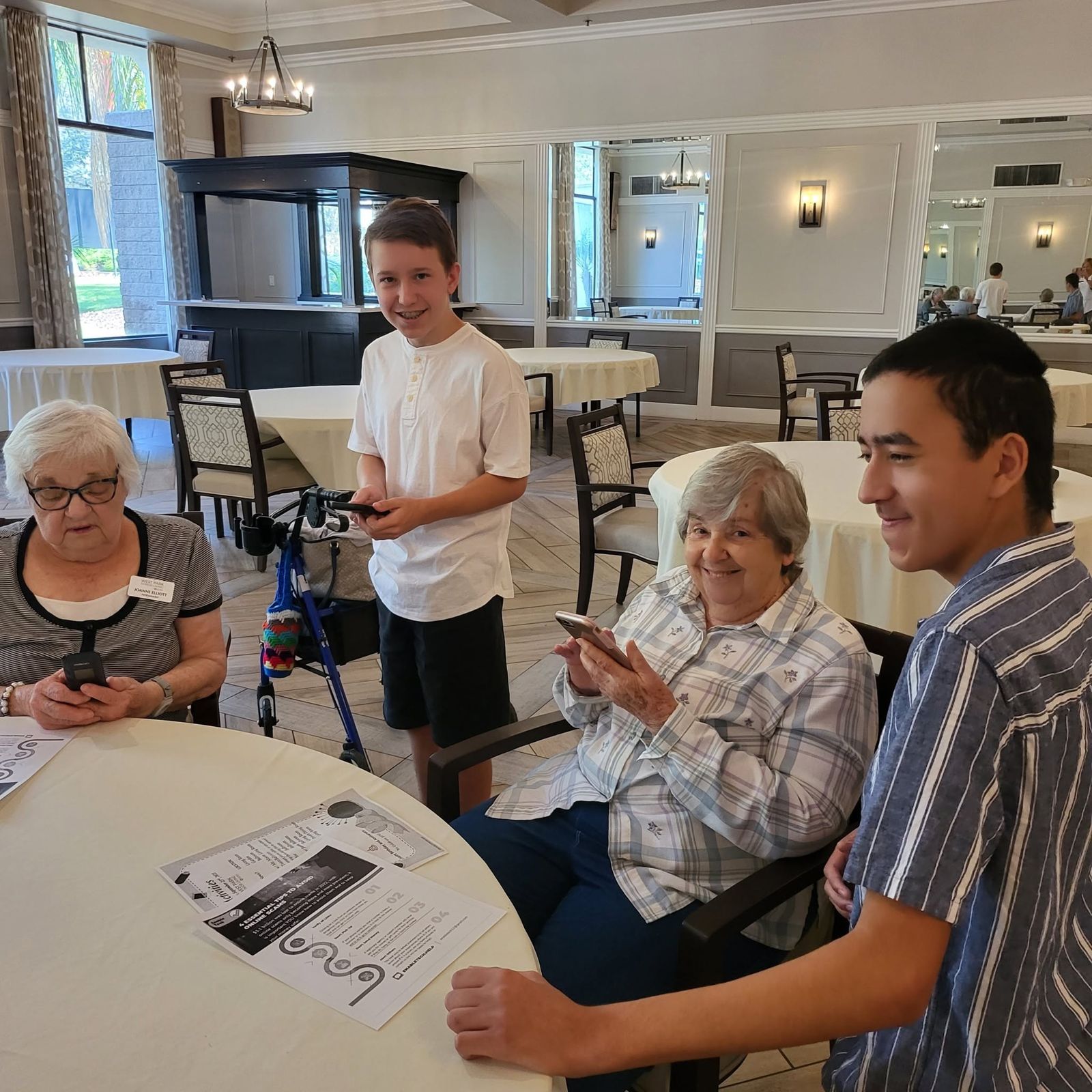
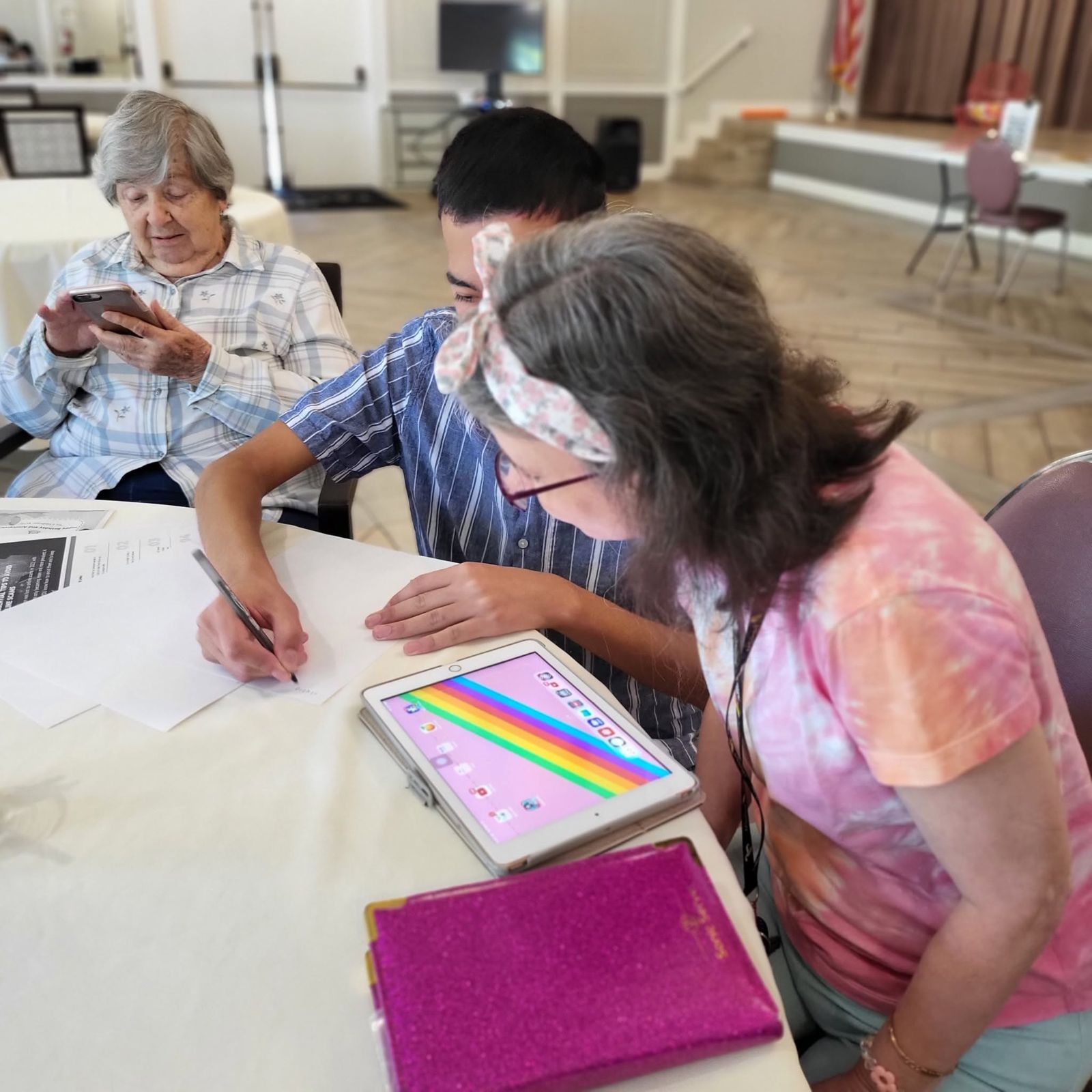
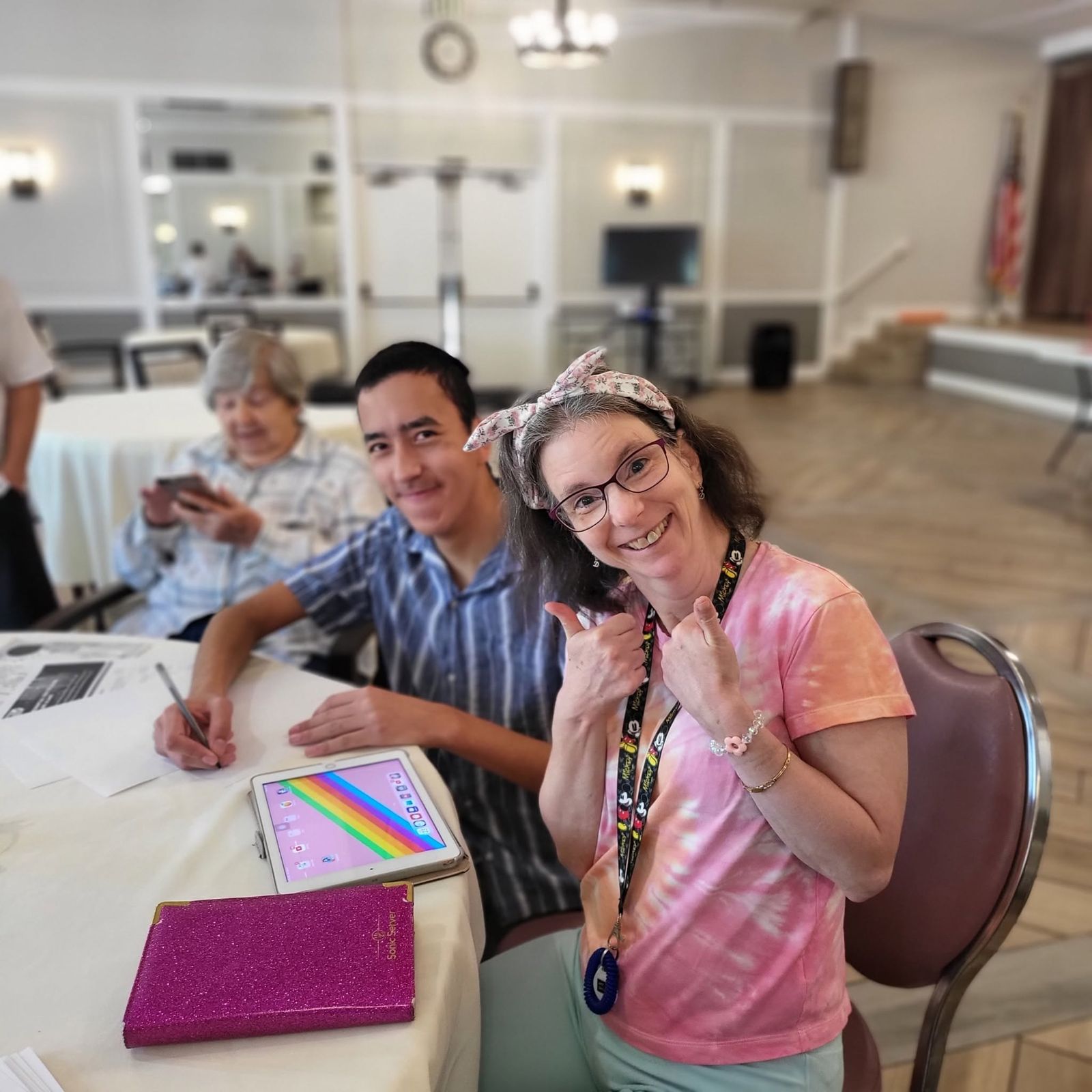
Founder. Nonprofit helping senior citizens use technology.
I was very passionate about EnableTech. I mostly did it in my freshman and sophomore years, and a little all through high school. It got pretty busy when I started working near the end of sophomore year.
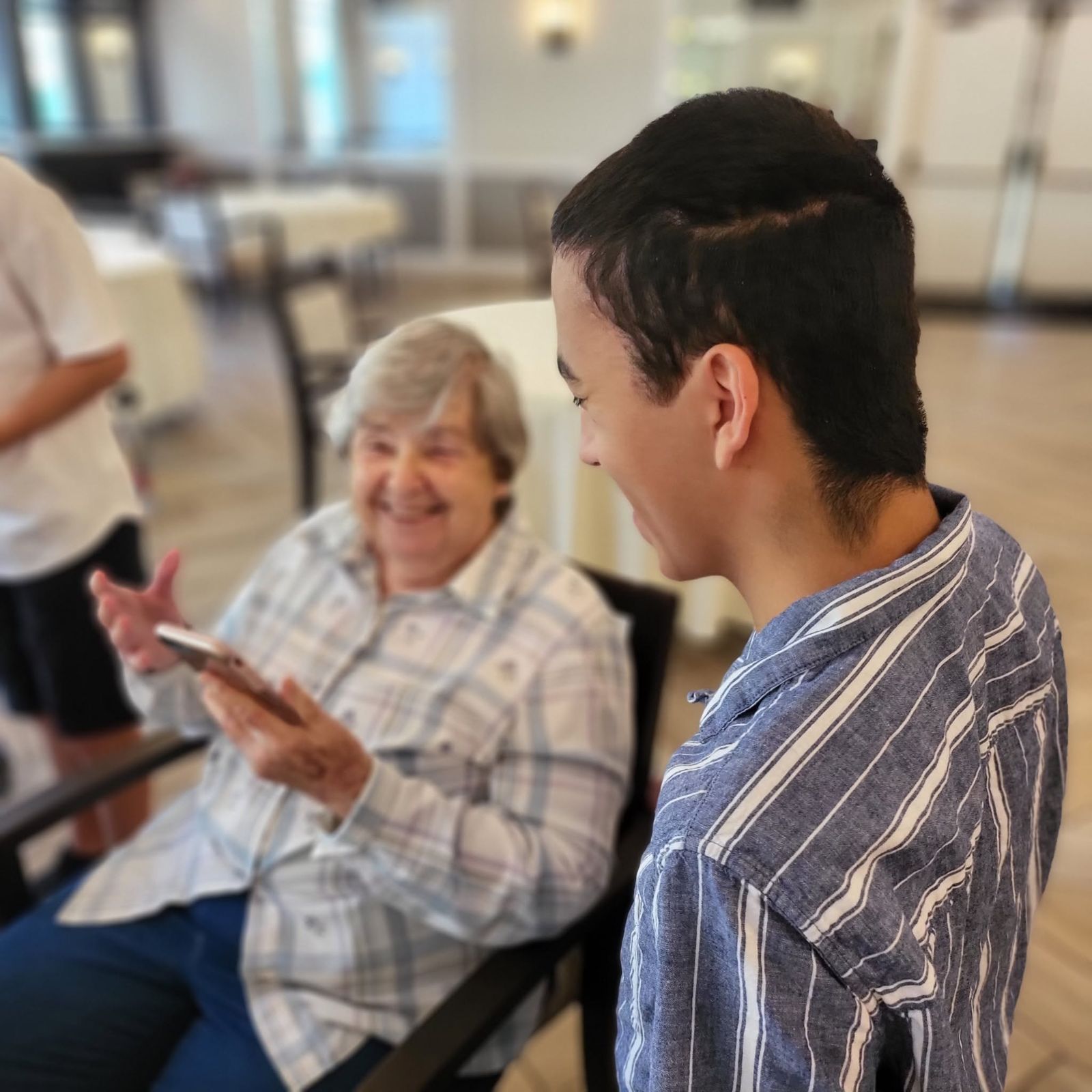
Dozens of visits, hundreds of hours. Some visits were cybersecurity, like how to avoid scams. Others were general tech help. Very rewarding to give back and learn from our seniors.
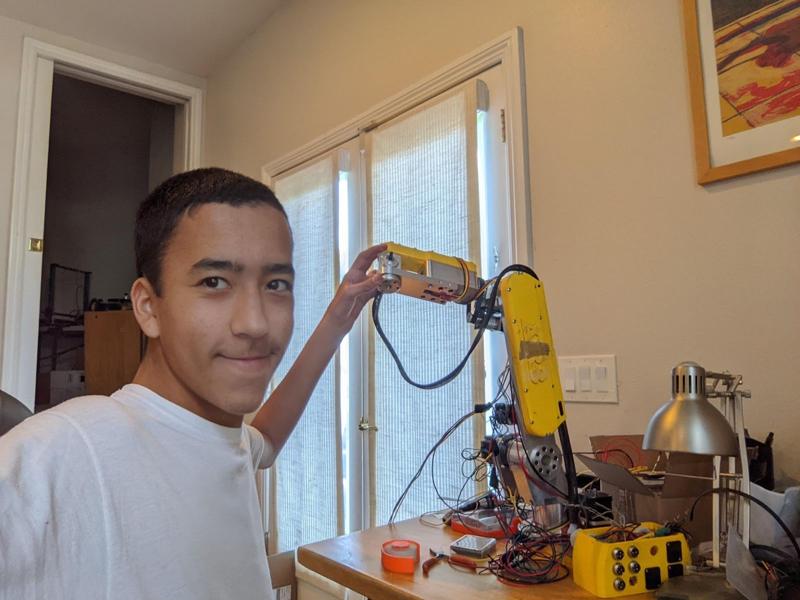
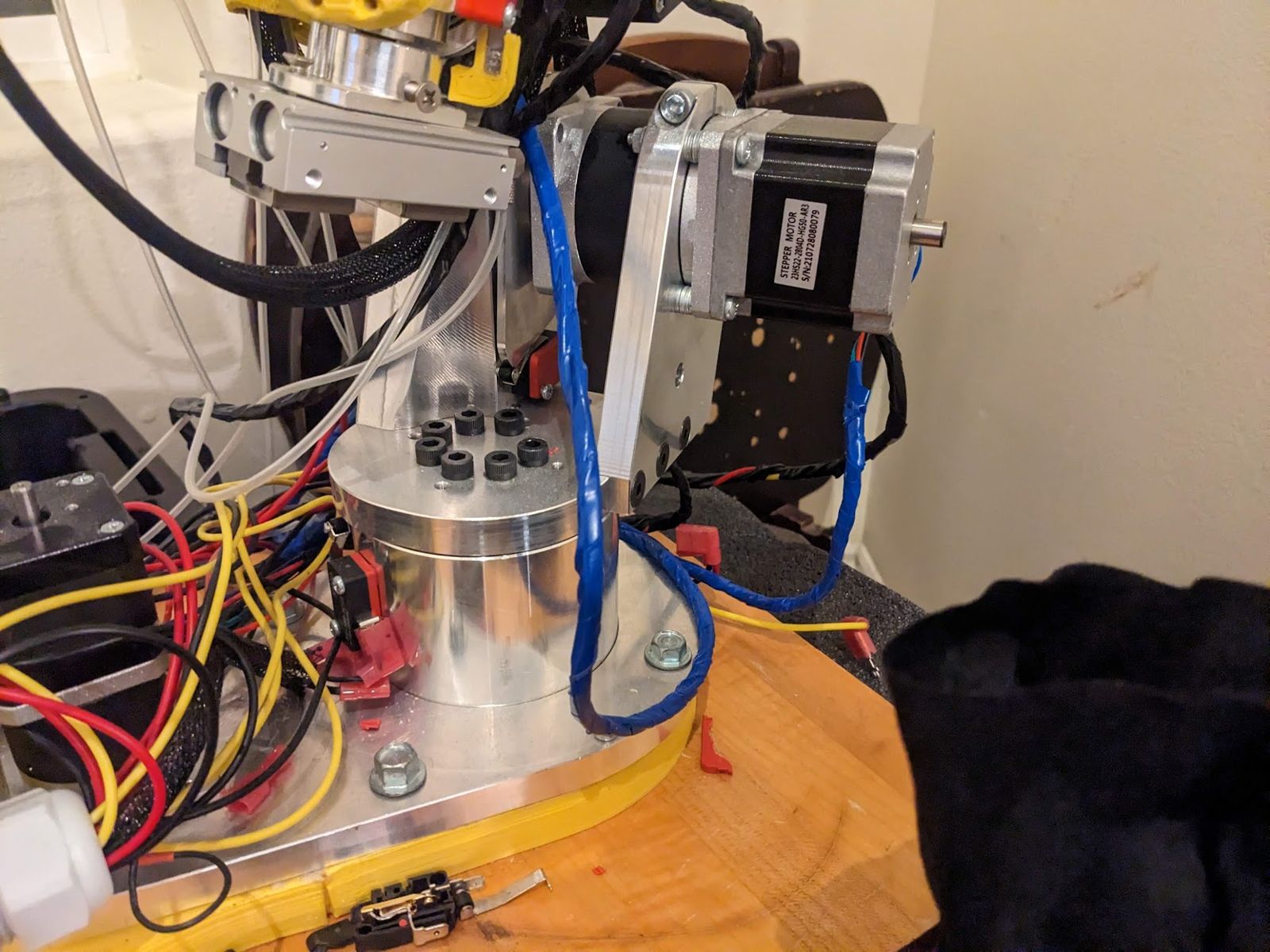
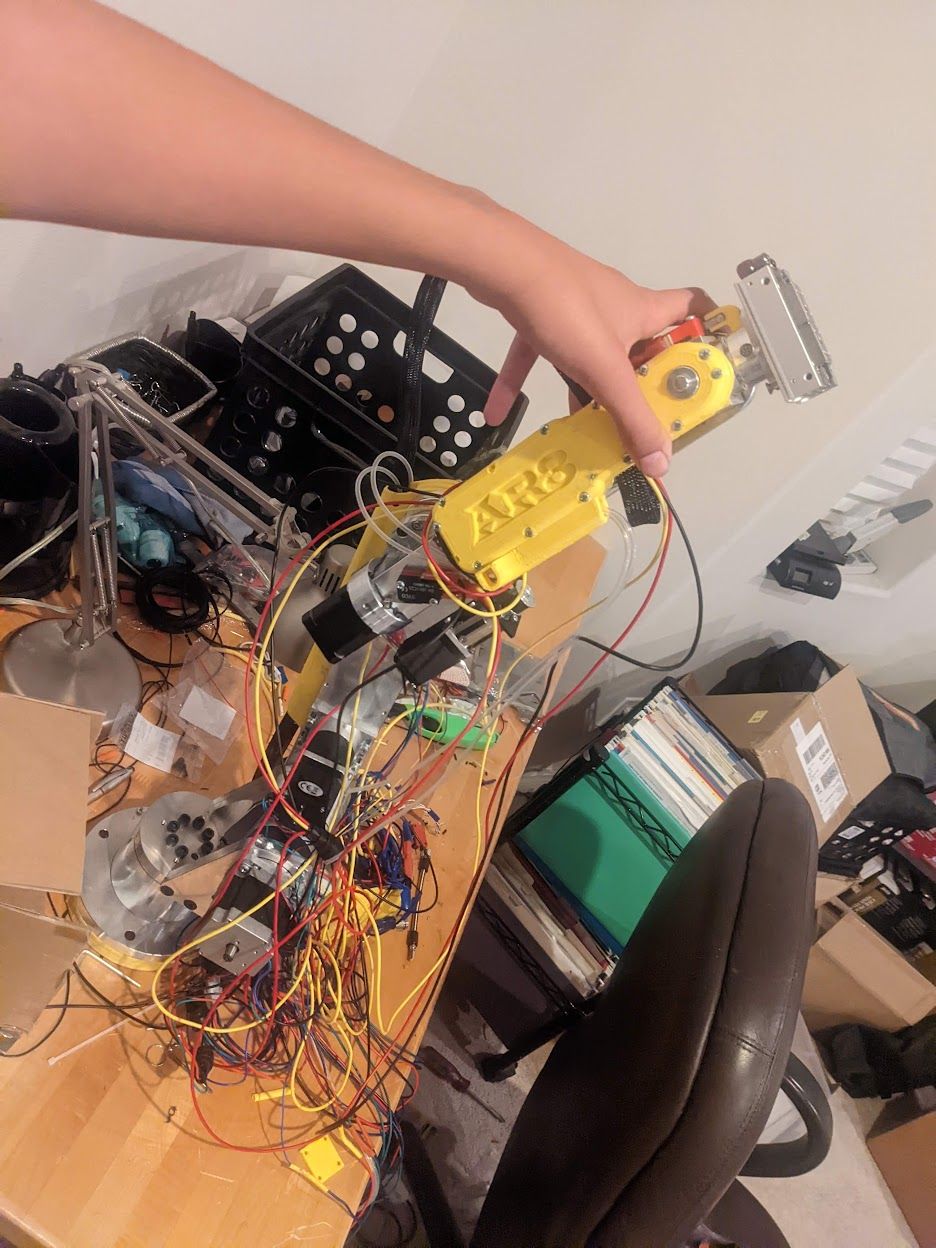
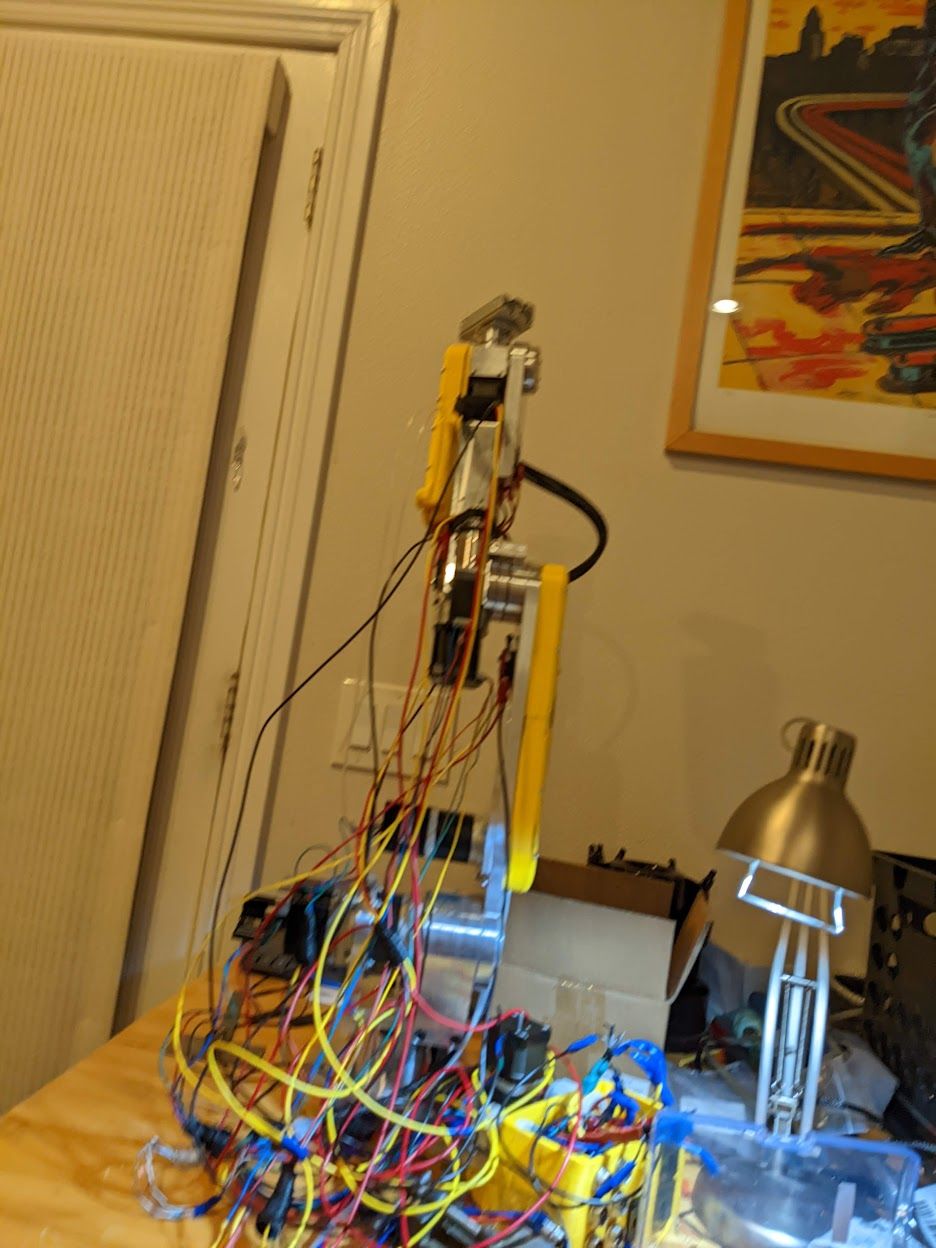
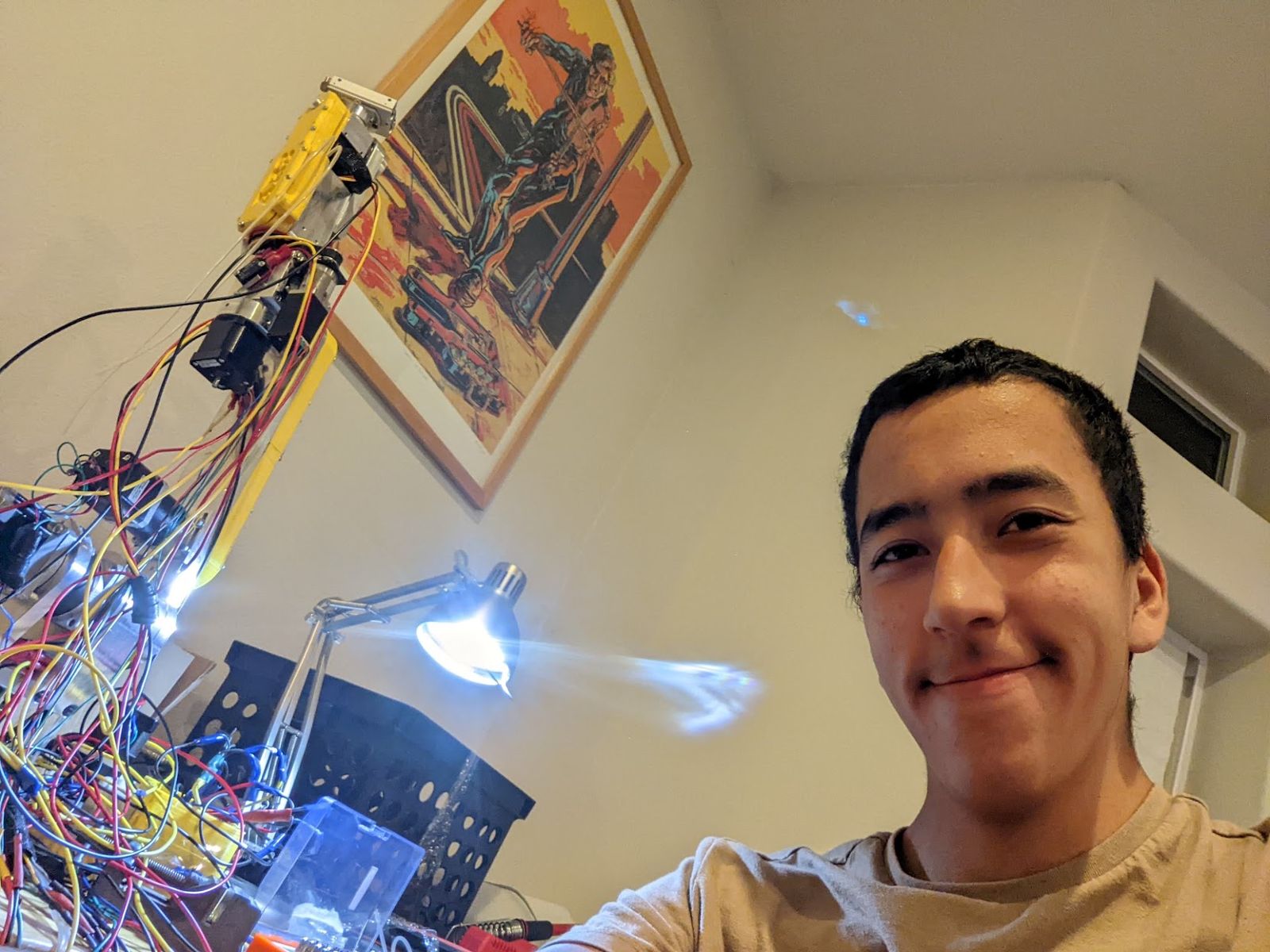
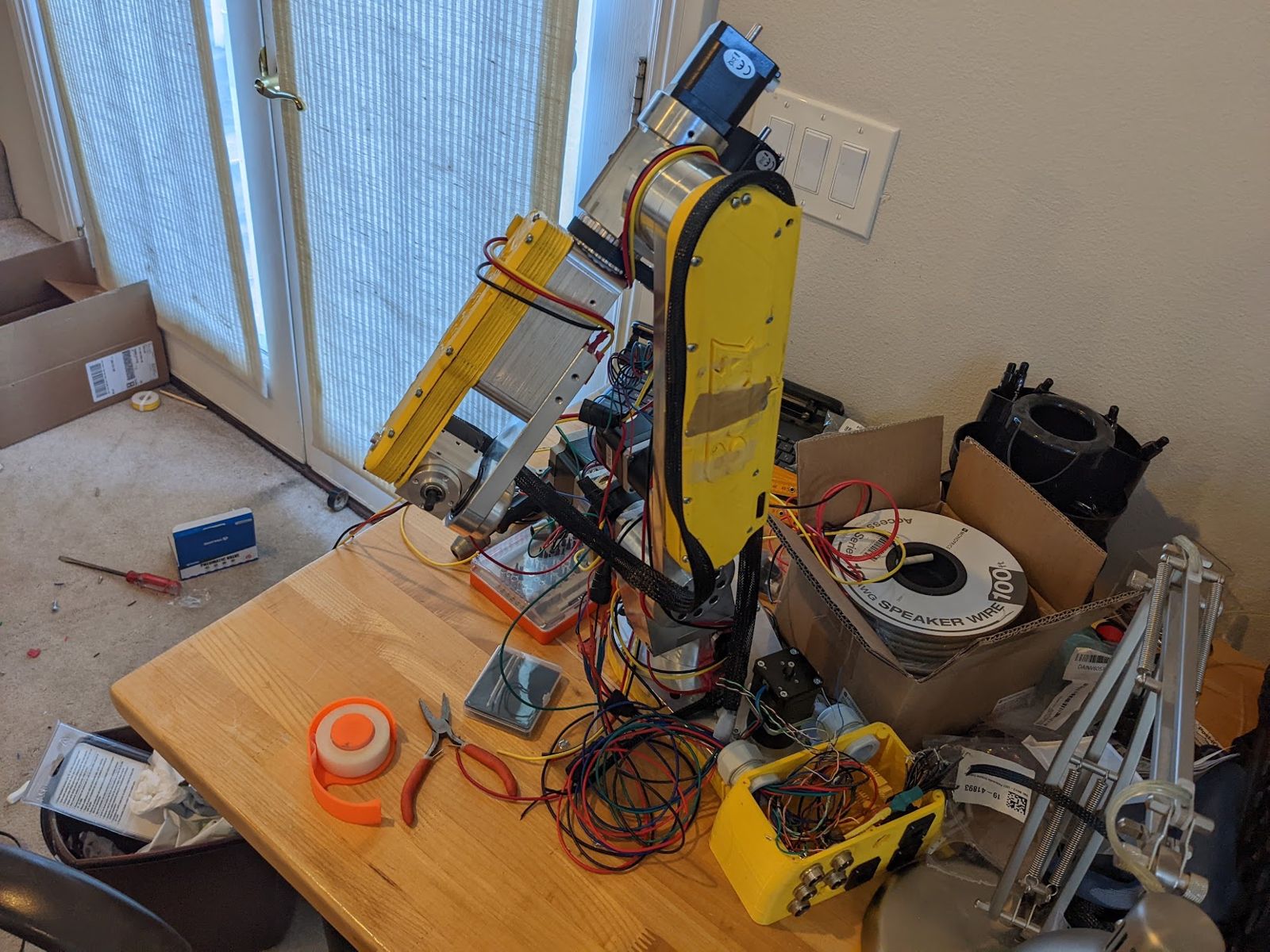
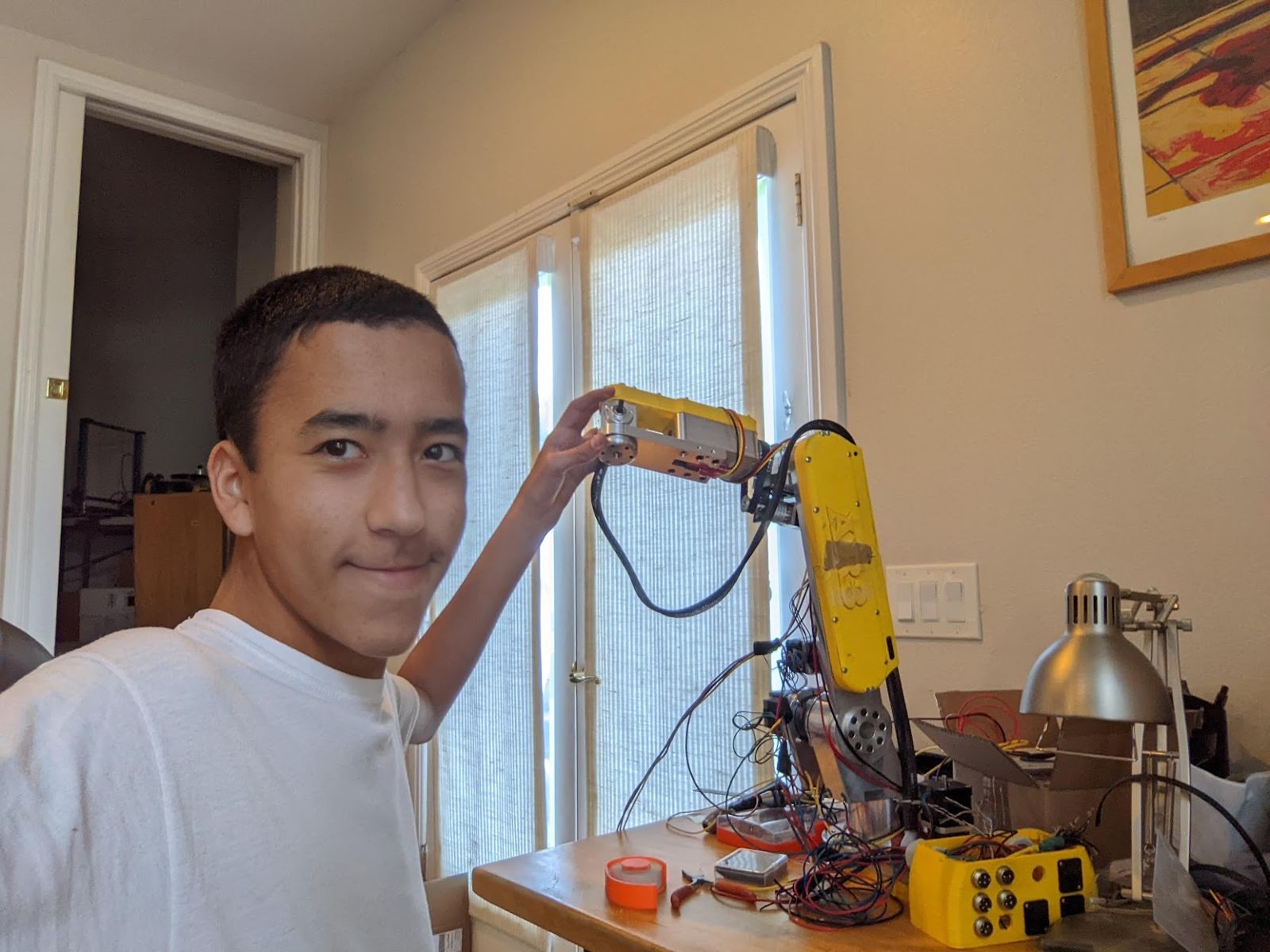
AR3 robotic arm
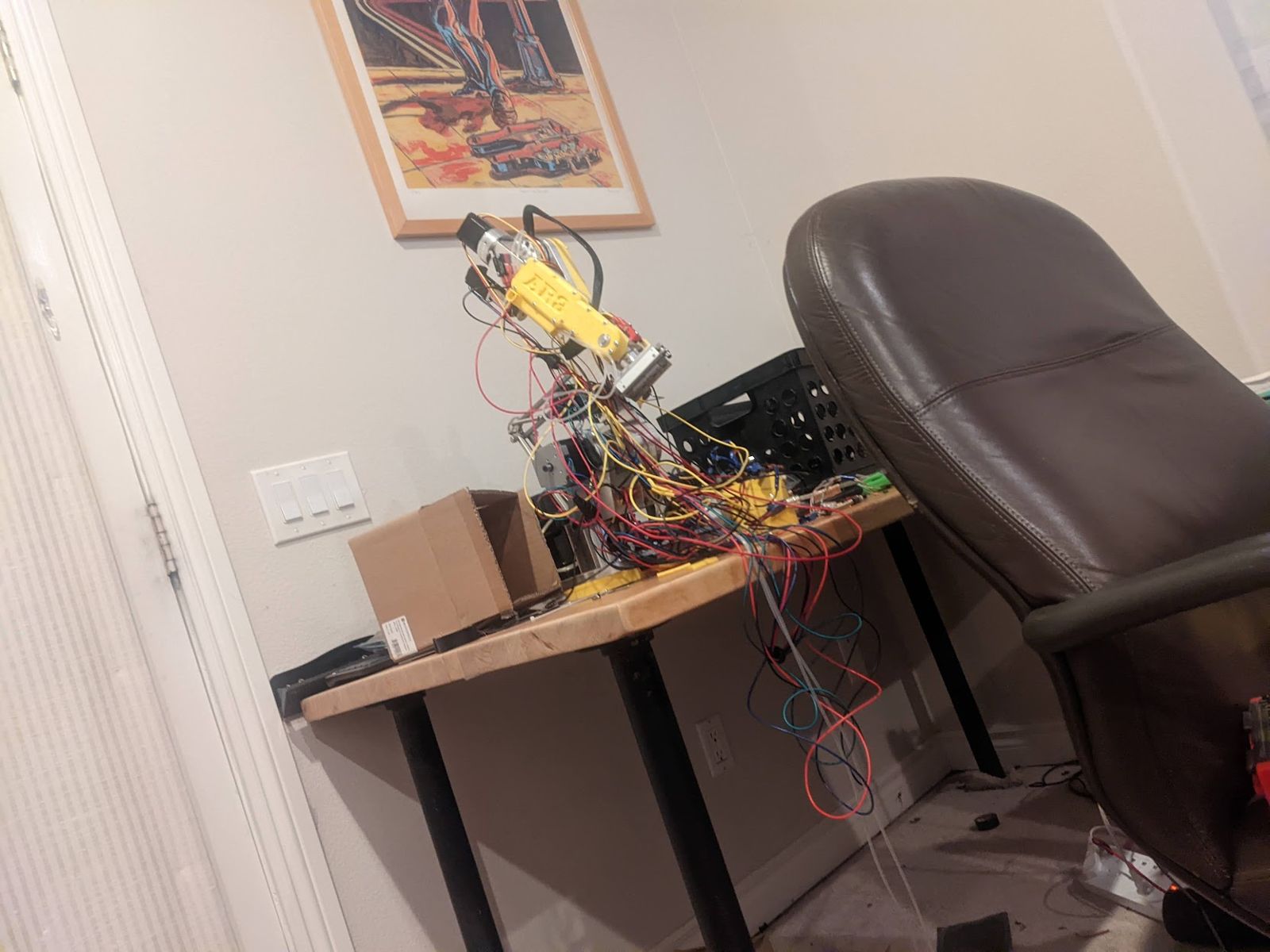
Before high school. My introduction to robotics.
I don't like cooking or food, but the idea of a cooking robot was intriguing to me. Interestingly enough, a lot of people I talk to in robotics started with the idea of a cooking robot.
I learned so much about robotics from it, and what it felt like to be so excited about a project I wanted to work on it day and night.
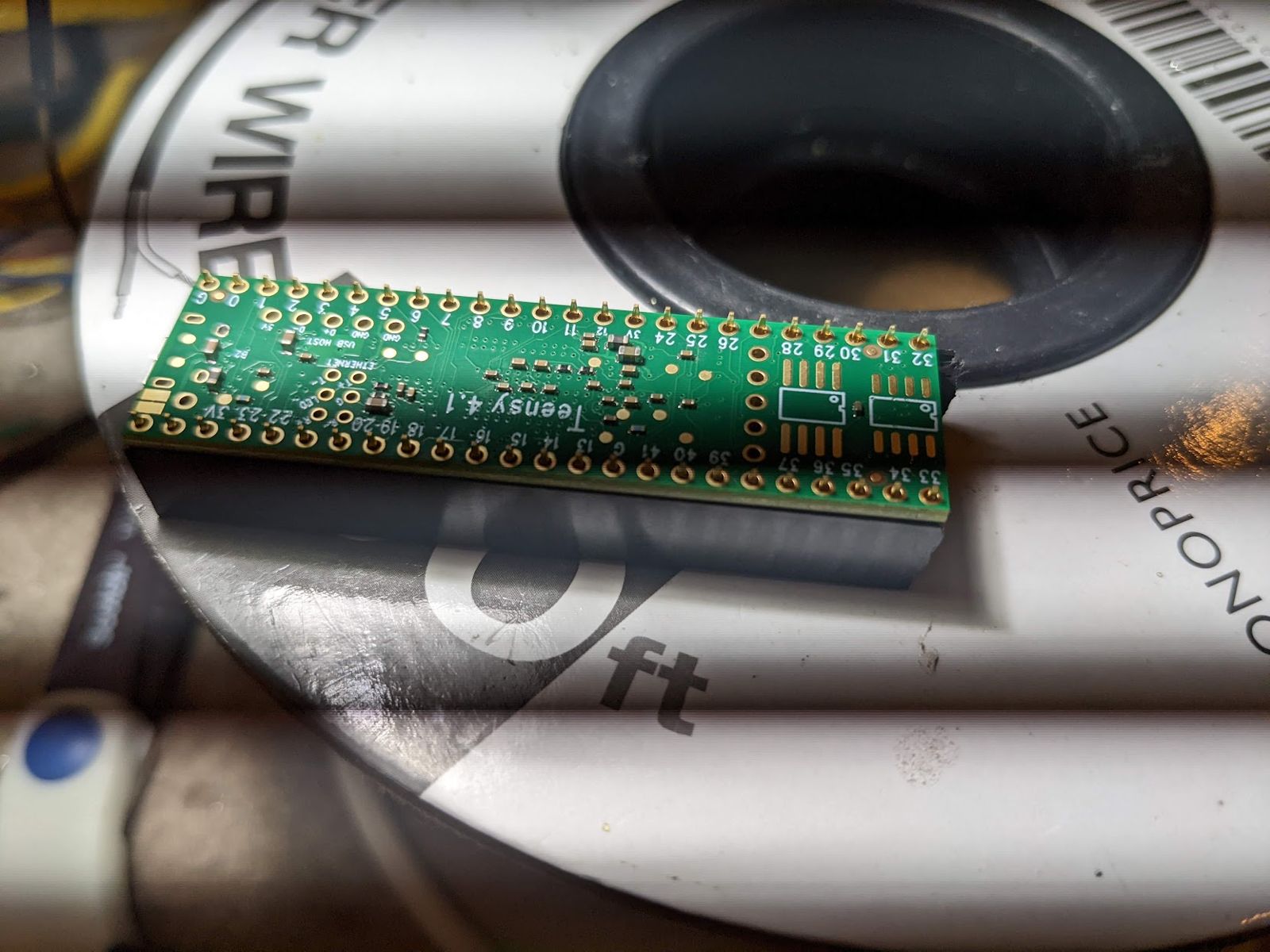
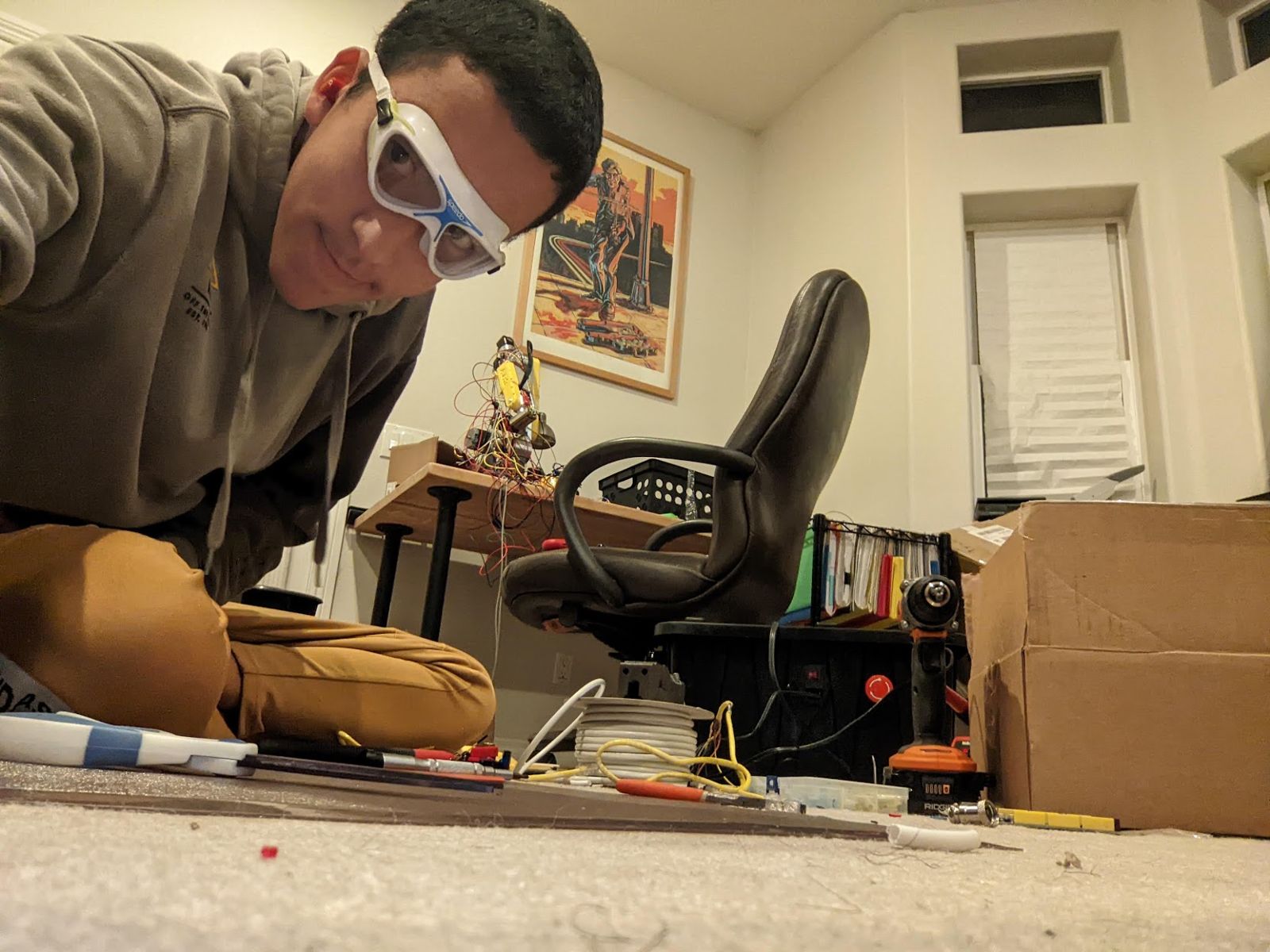
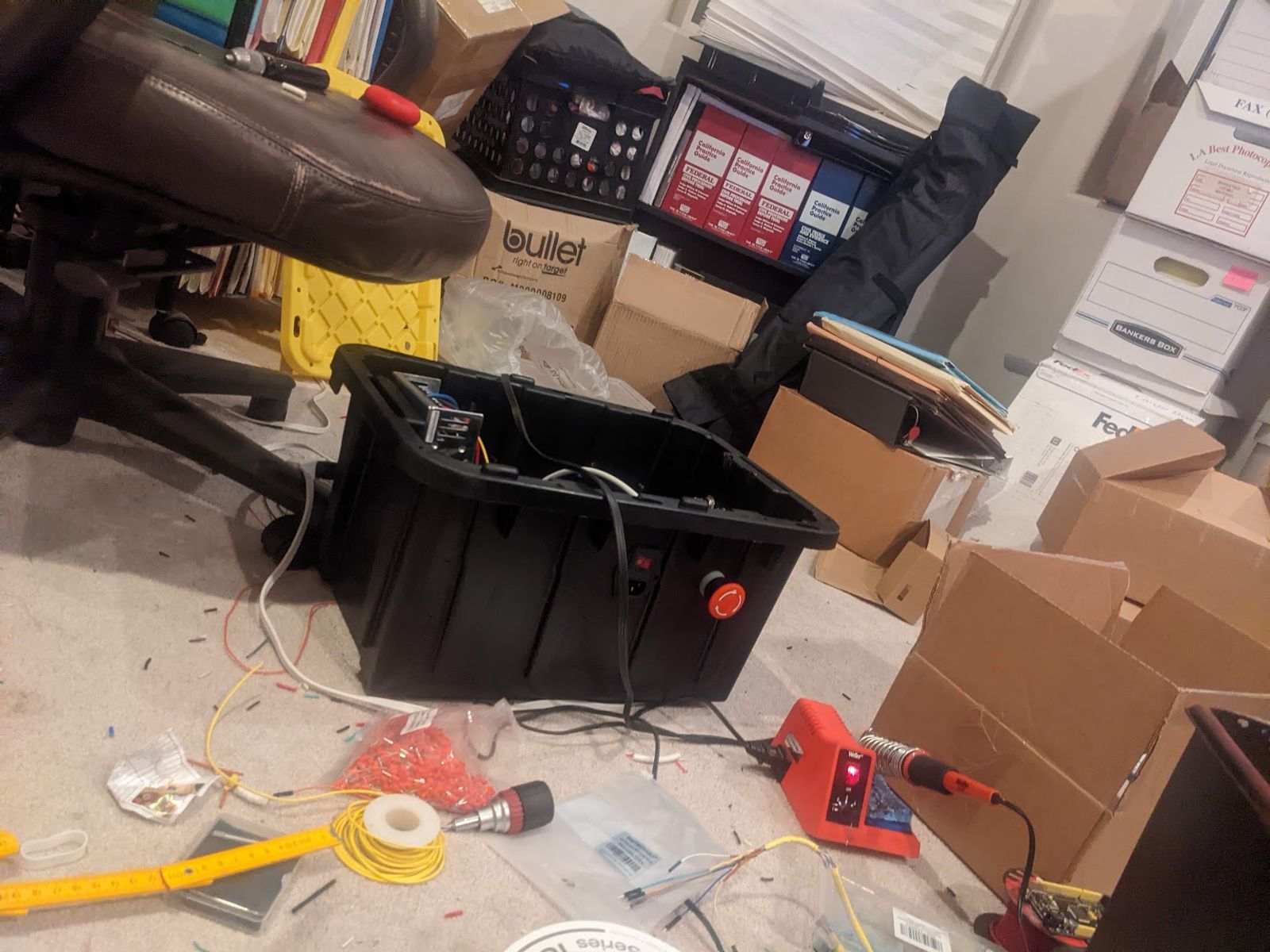
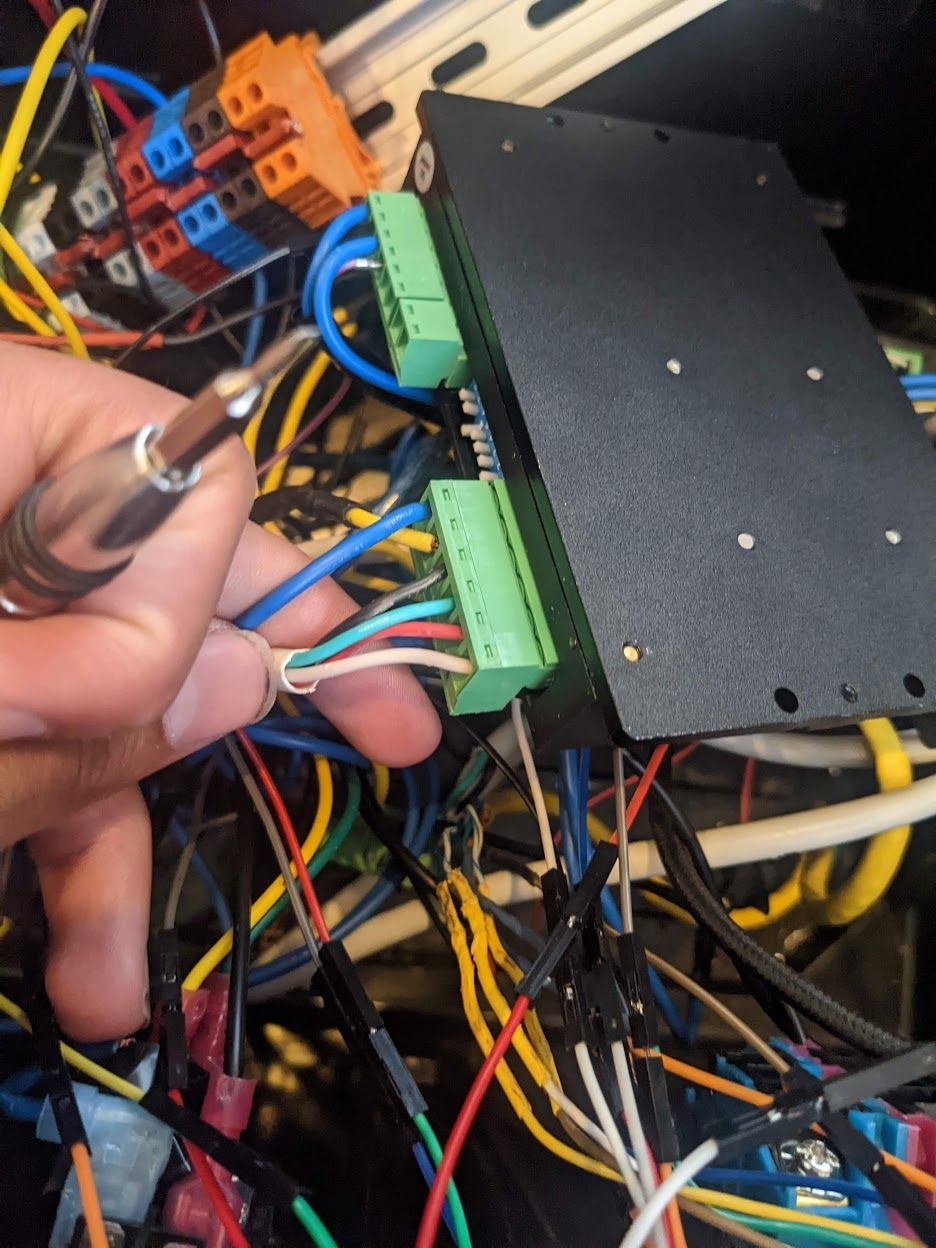
The first time I turned it on I shorted about three things, including a Teensy. I ended up redoing all the wiring after I learned the value of cable management. I made the control box out of a Home Depot tote.
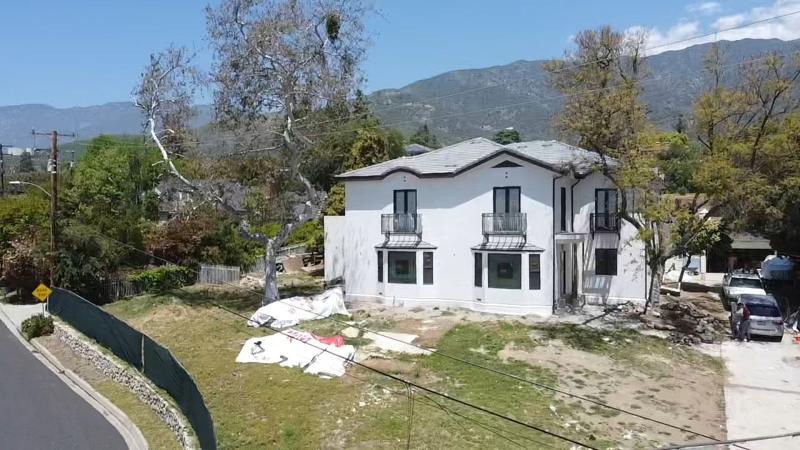
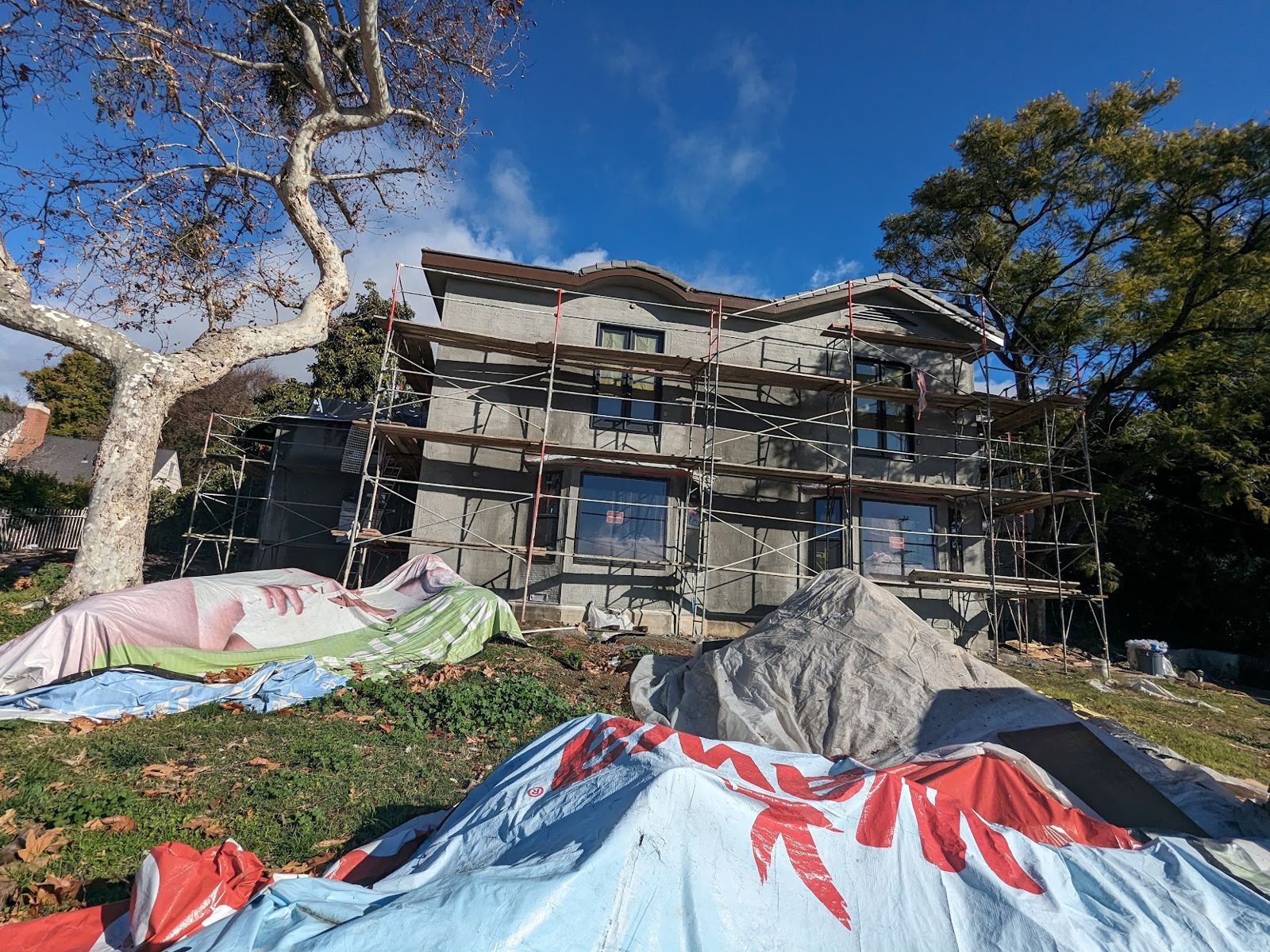
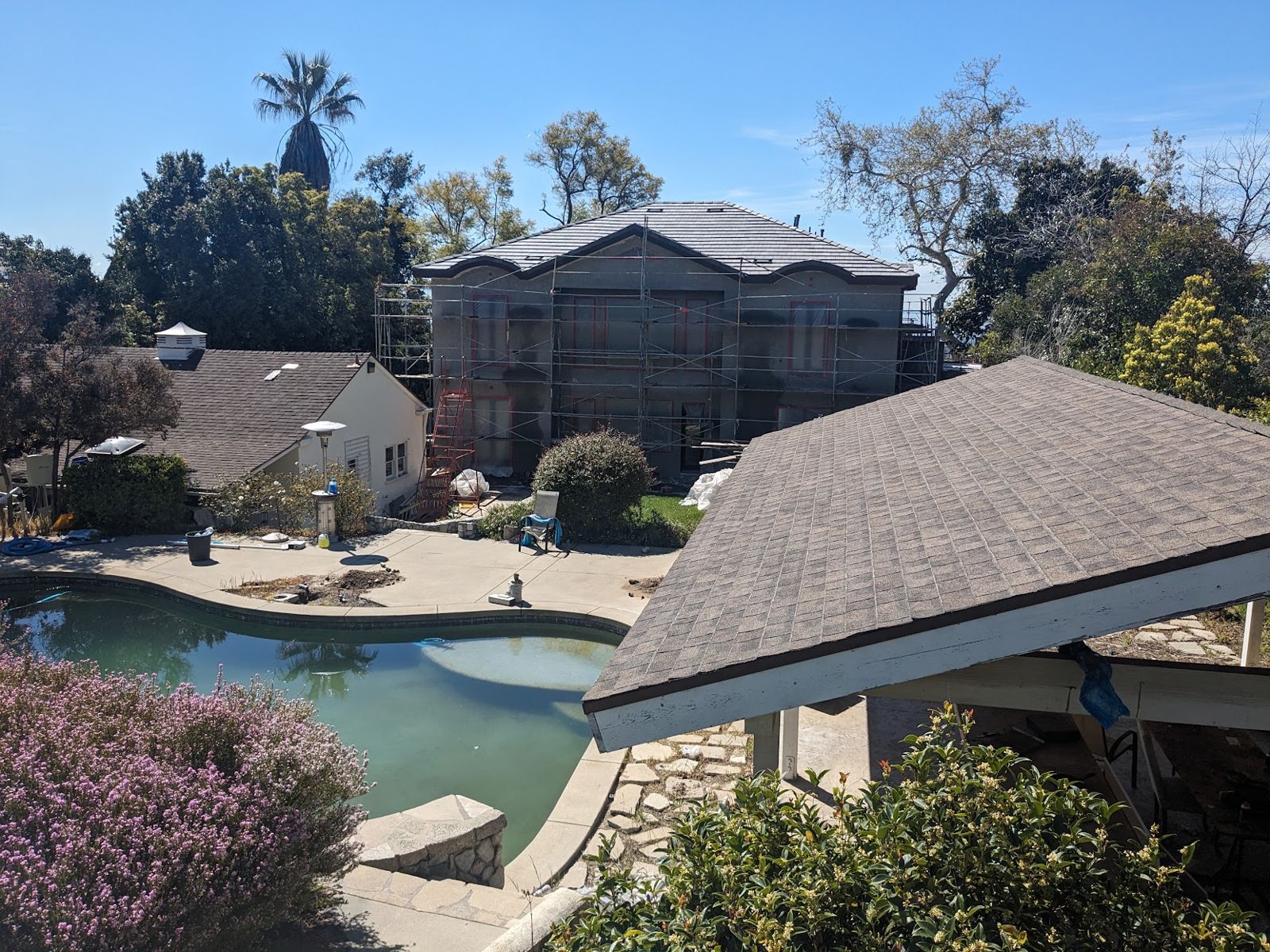
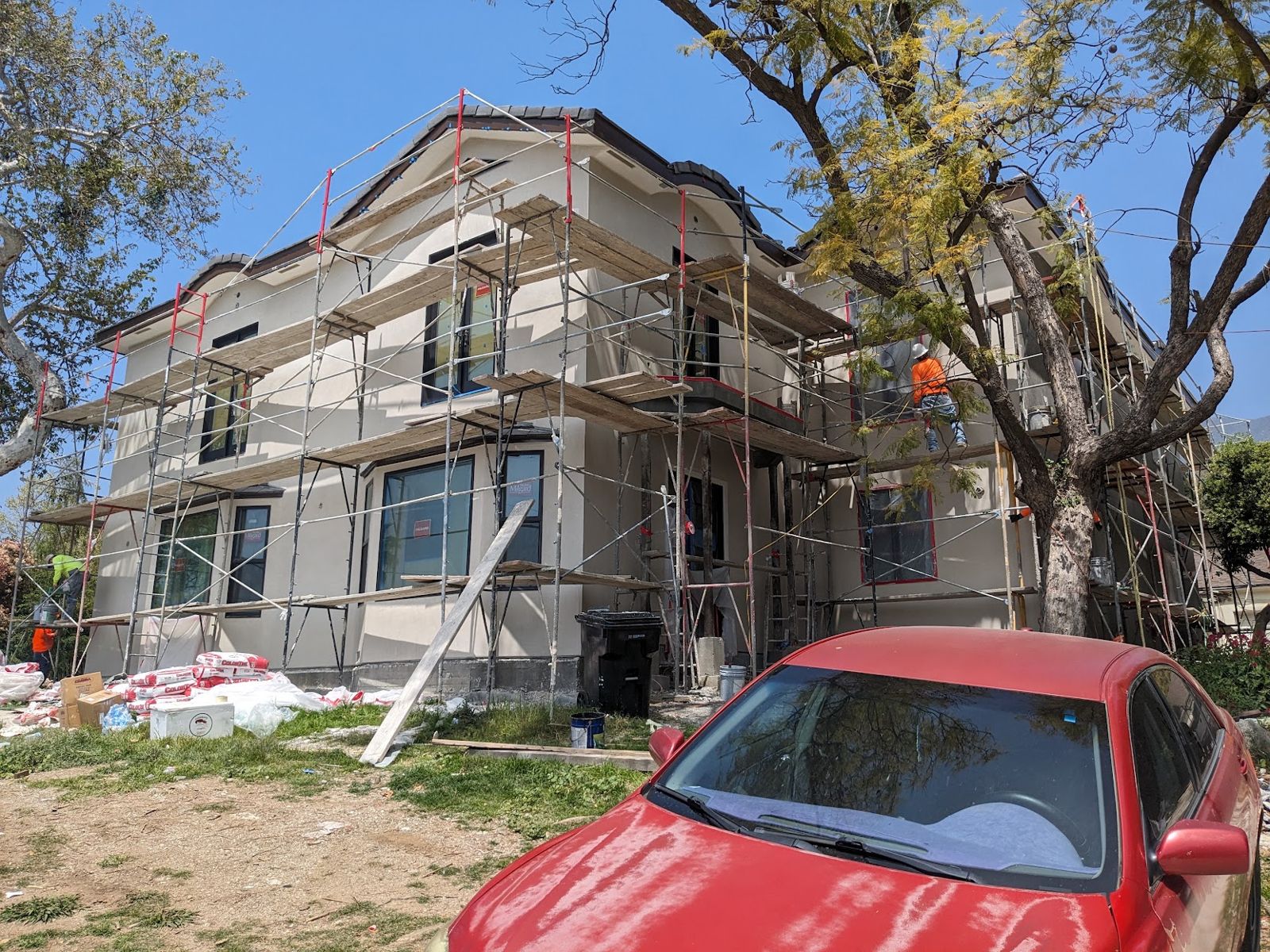
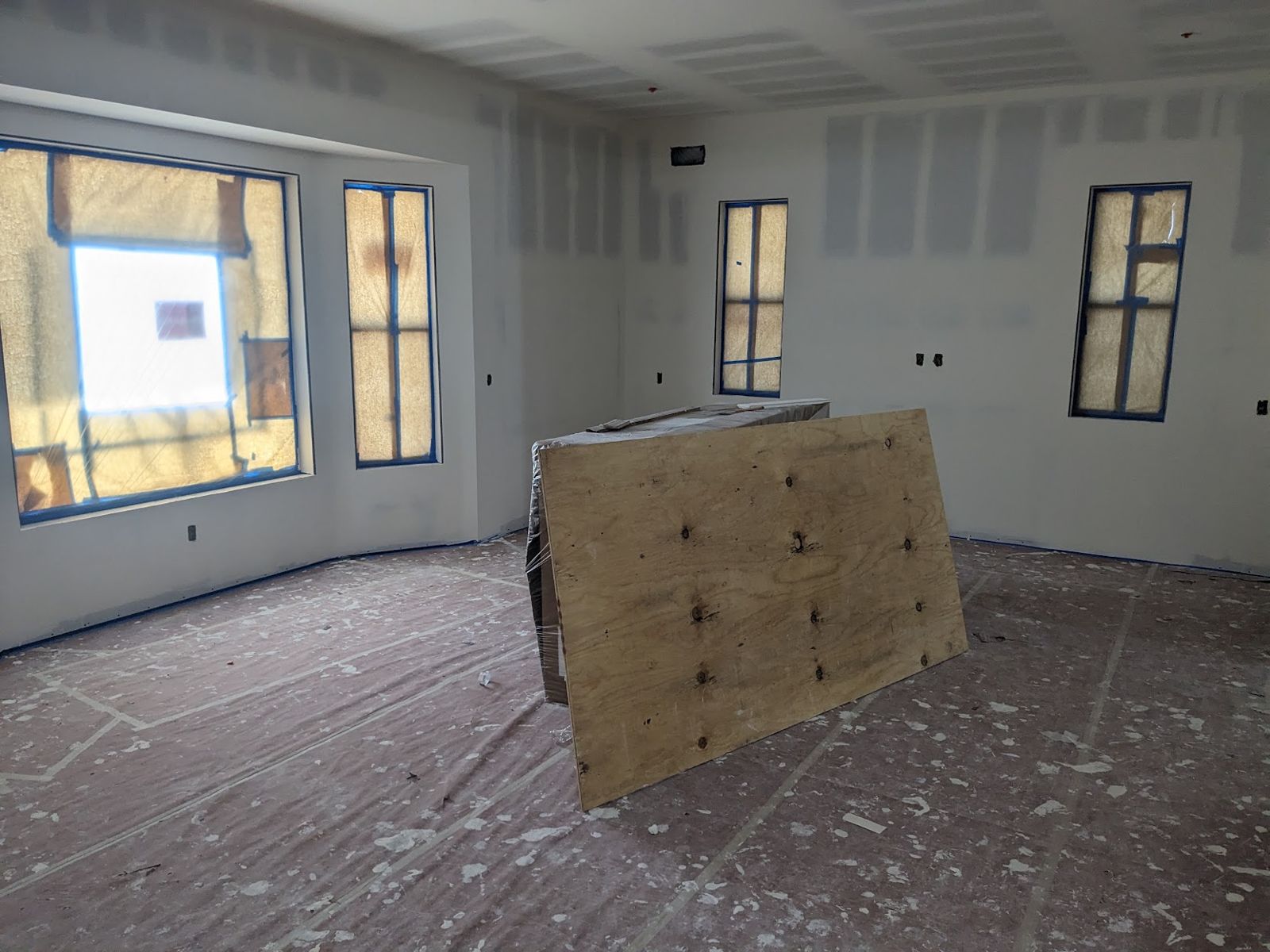
Building our house
With my family. My dad was the owner-builder.
I spent most weekends there before I started working, and I still spent a lot of my limited free time there after. Now we live there.
I learned a lot about working with different kinds of people, and different kinds of problem solving too. In robotics you can usually redesign something and machine a part or remake a PCB. It's a little more polished. In construction there's a level of resourcefulness where you just fix problems with what you have, however you can. That has been a very helpful skill as I've started a business and moved through my early career.
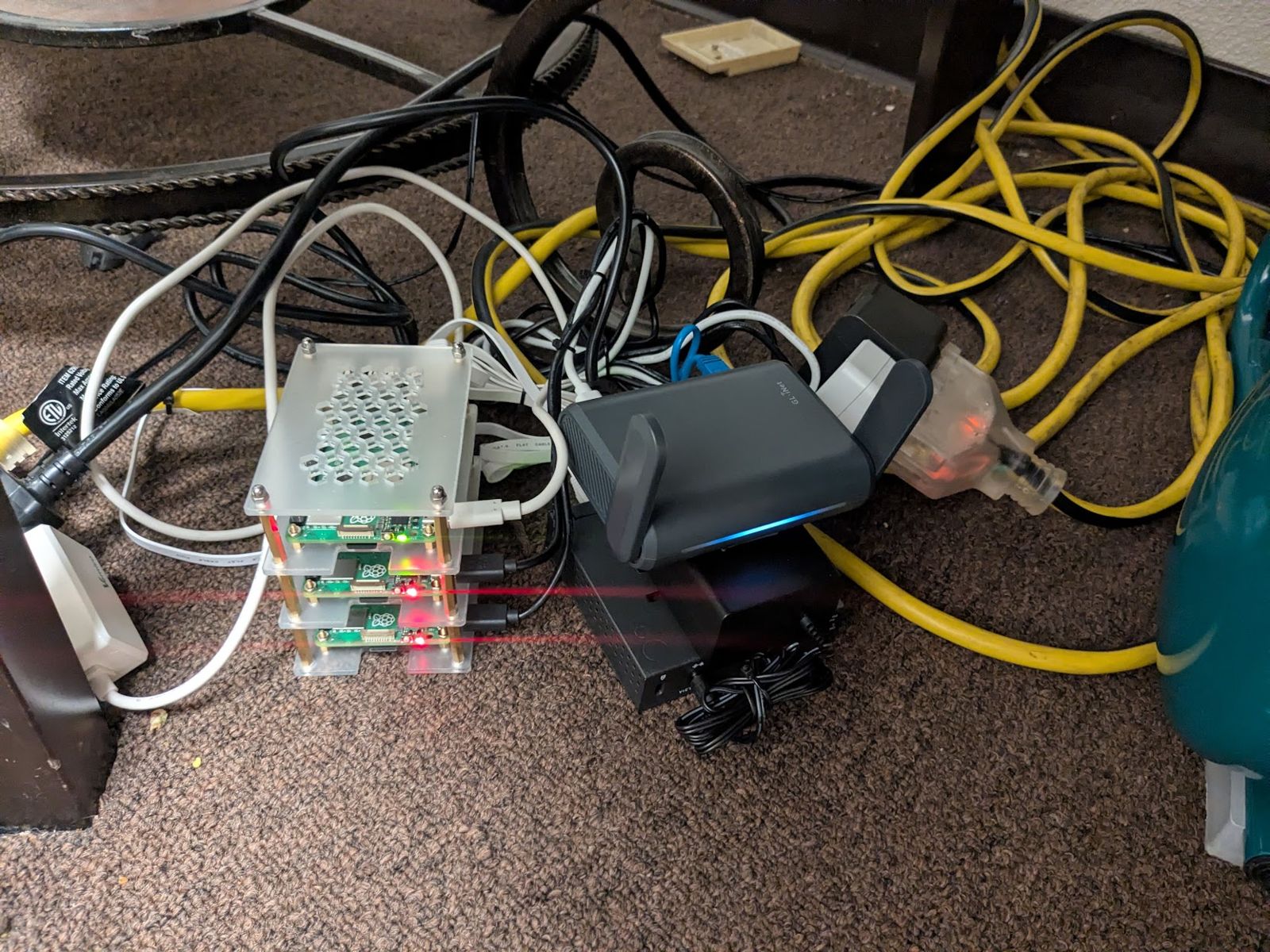
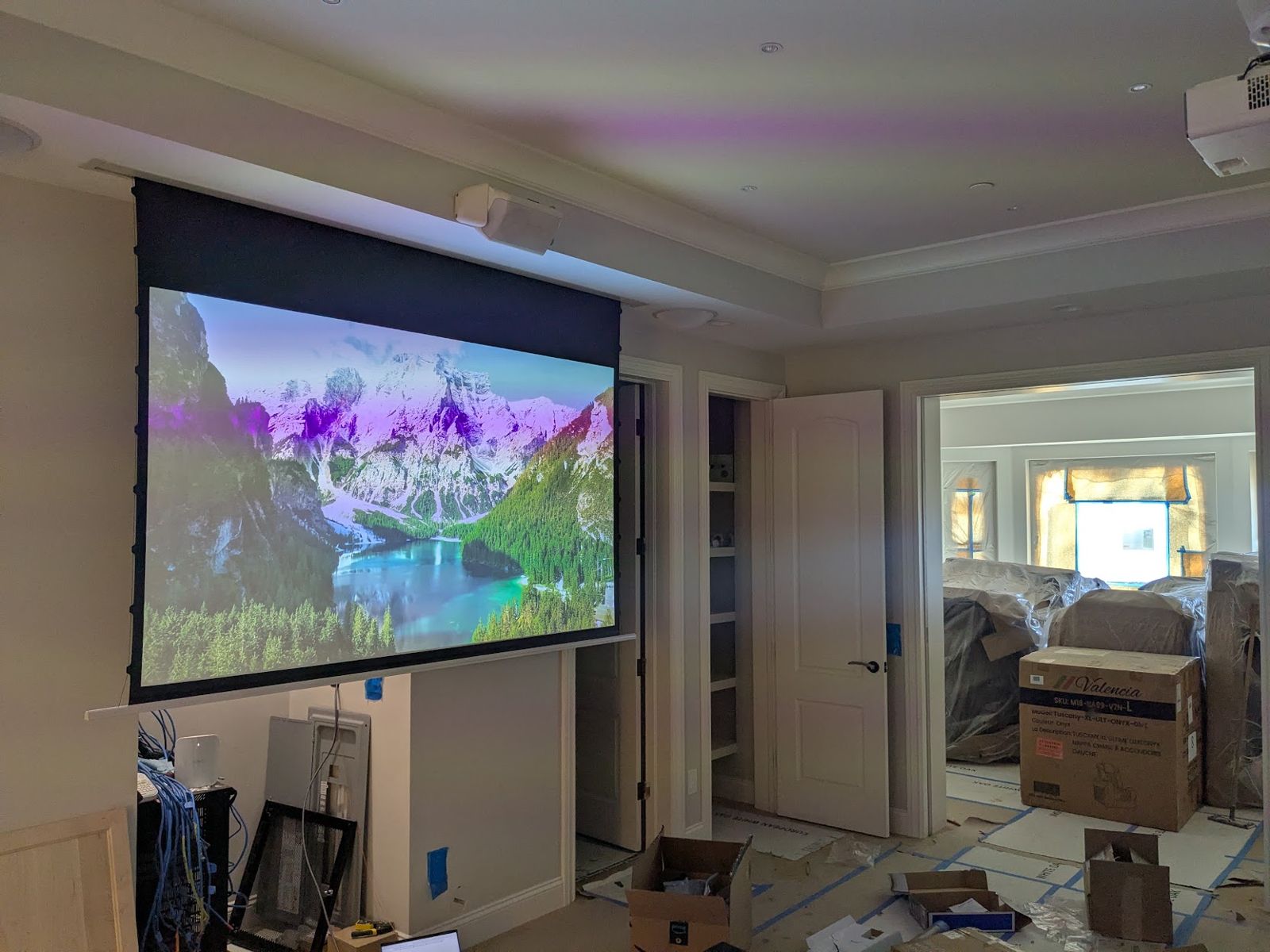
I did most of the work on the movie room AV and tech, the security and networking systems for the house, and the server room for my parents' law firm, which is in the house.
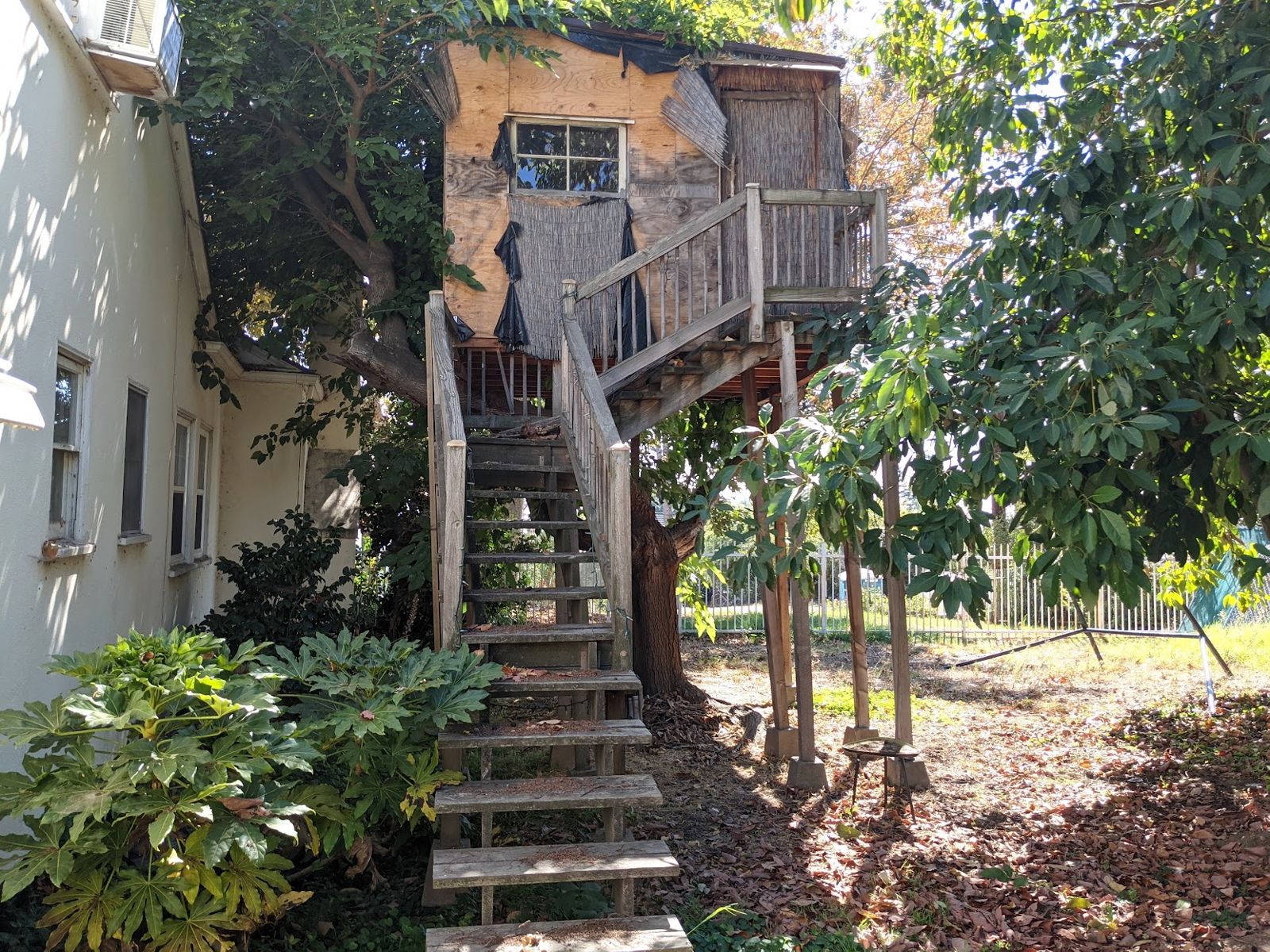
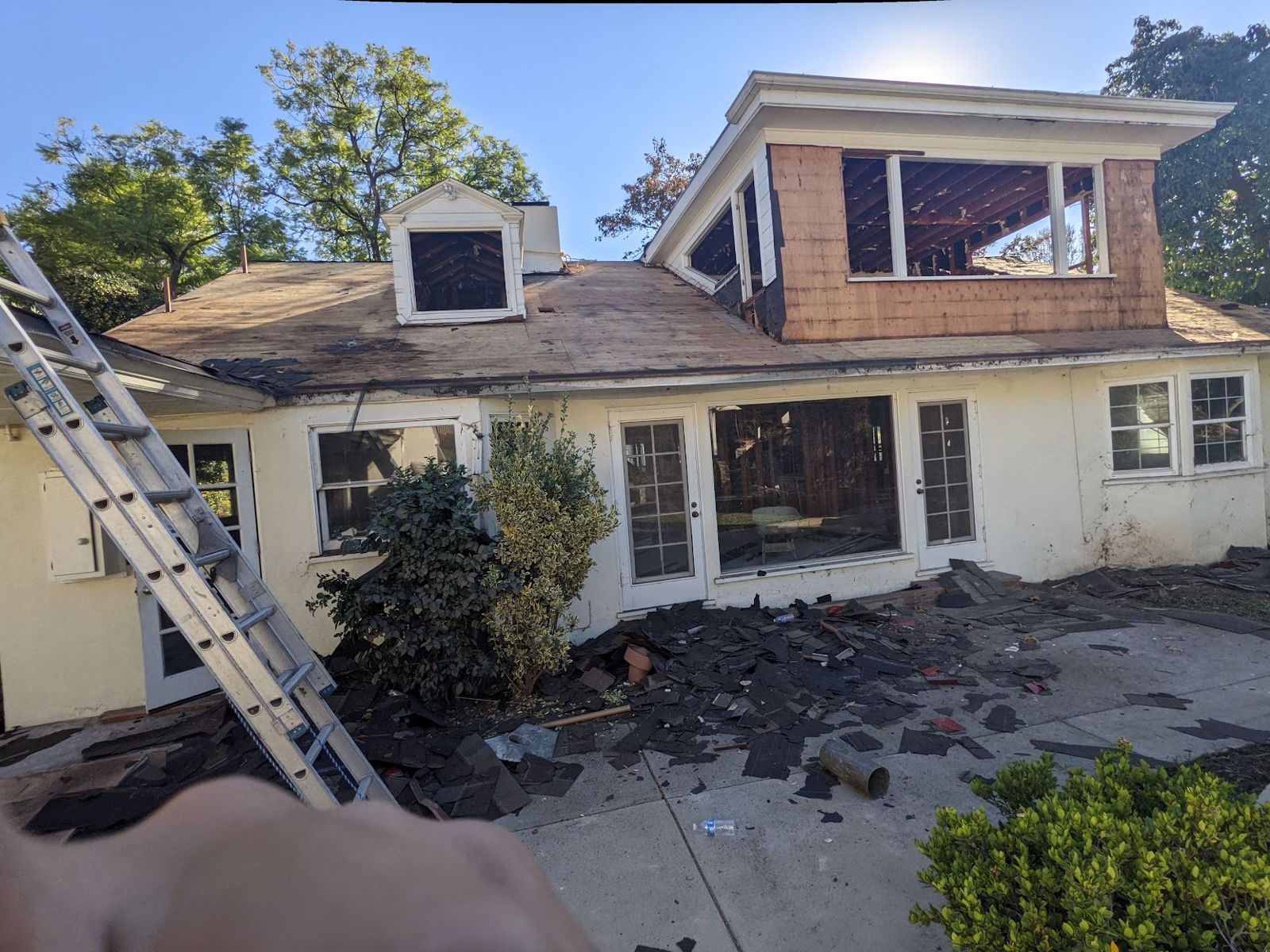
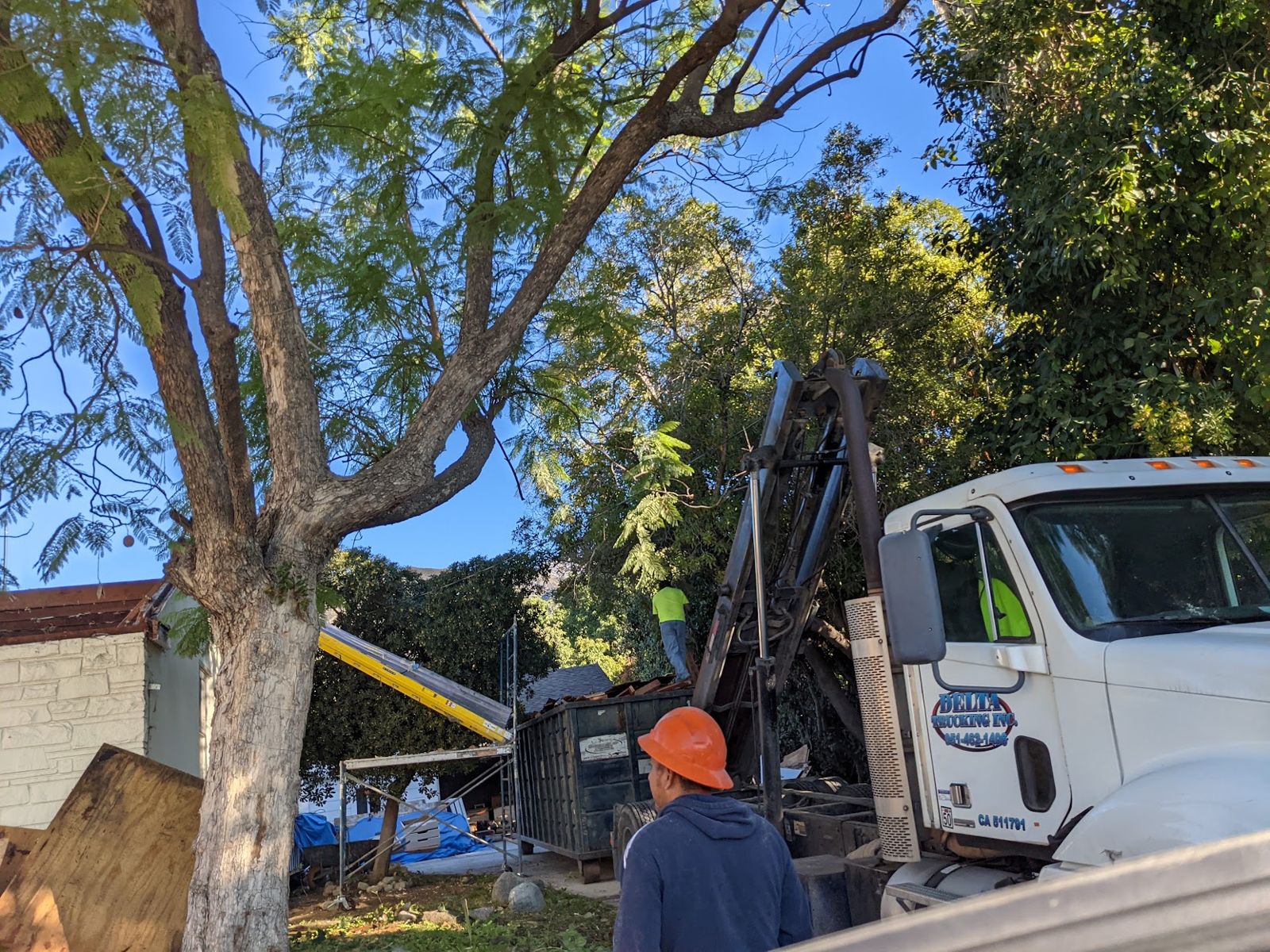
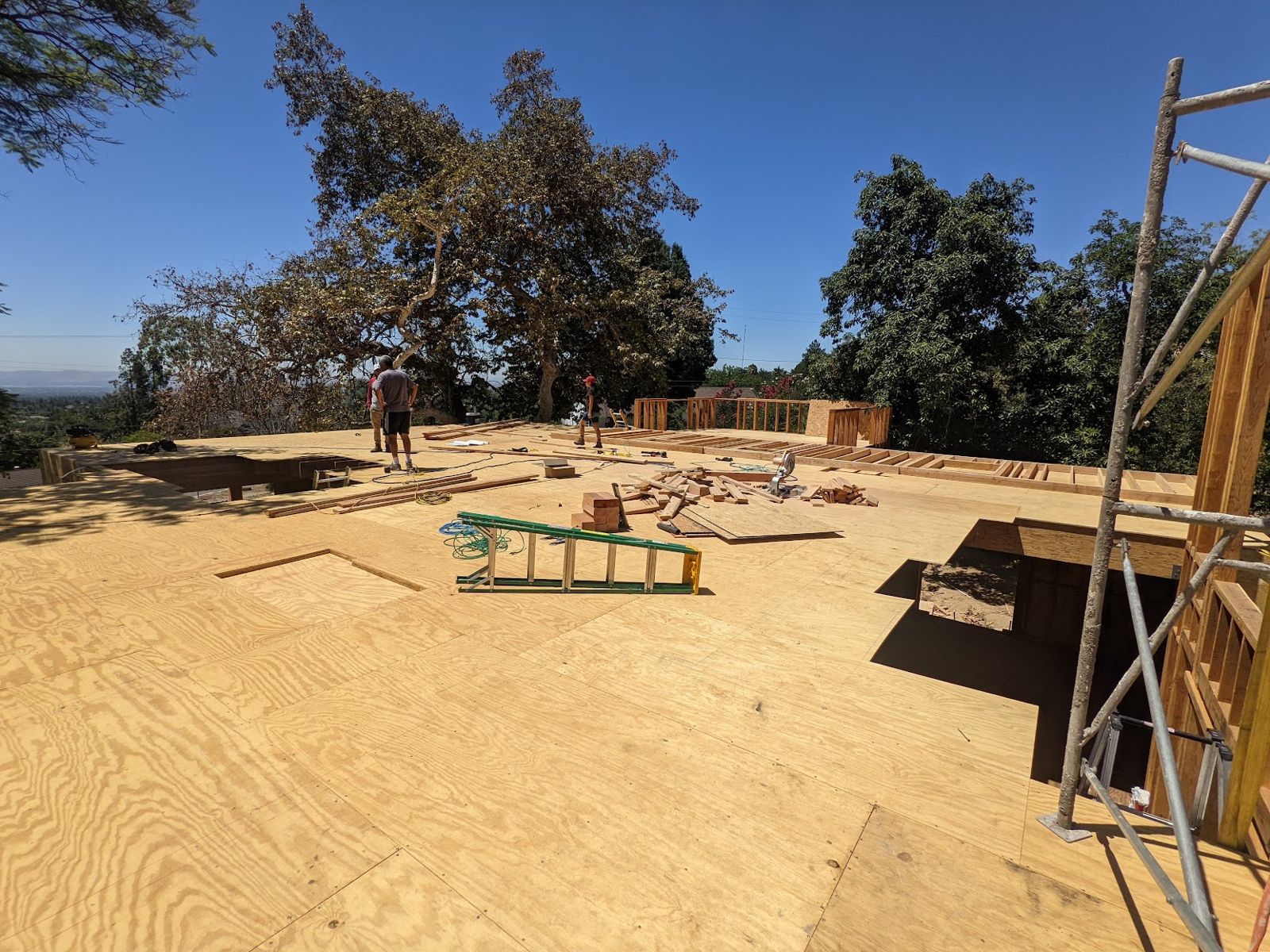
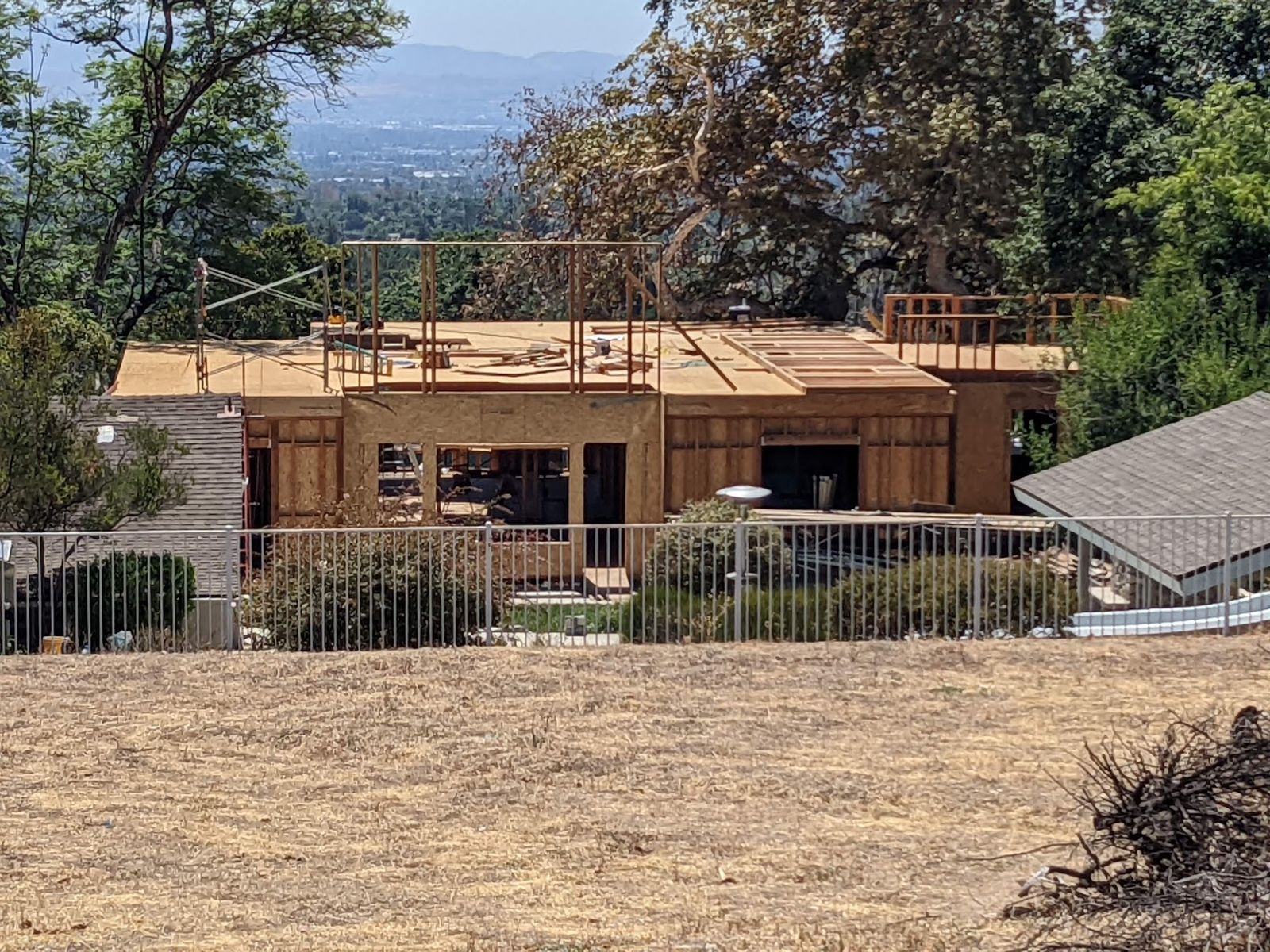
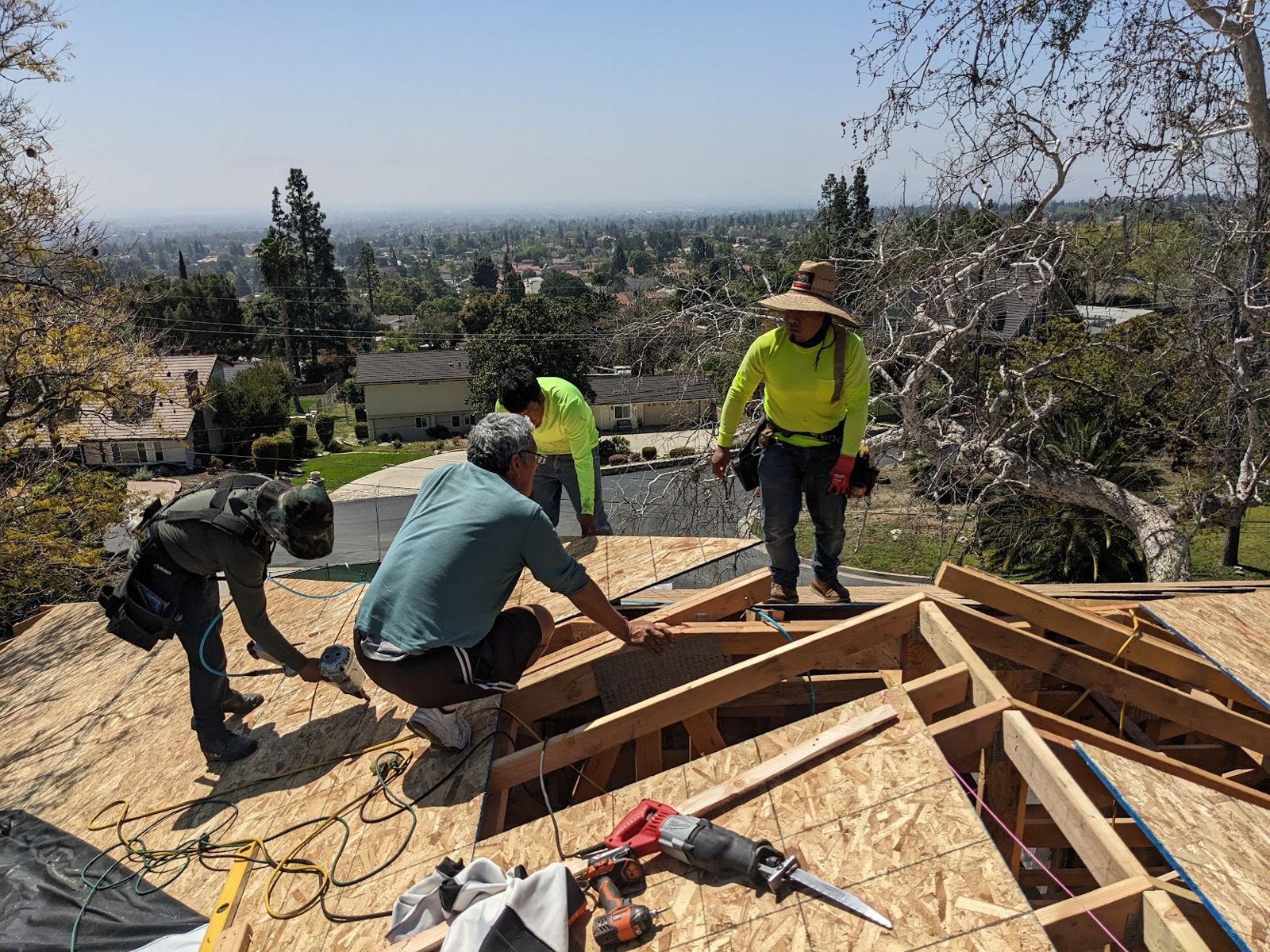
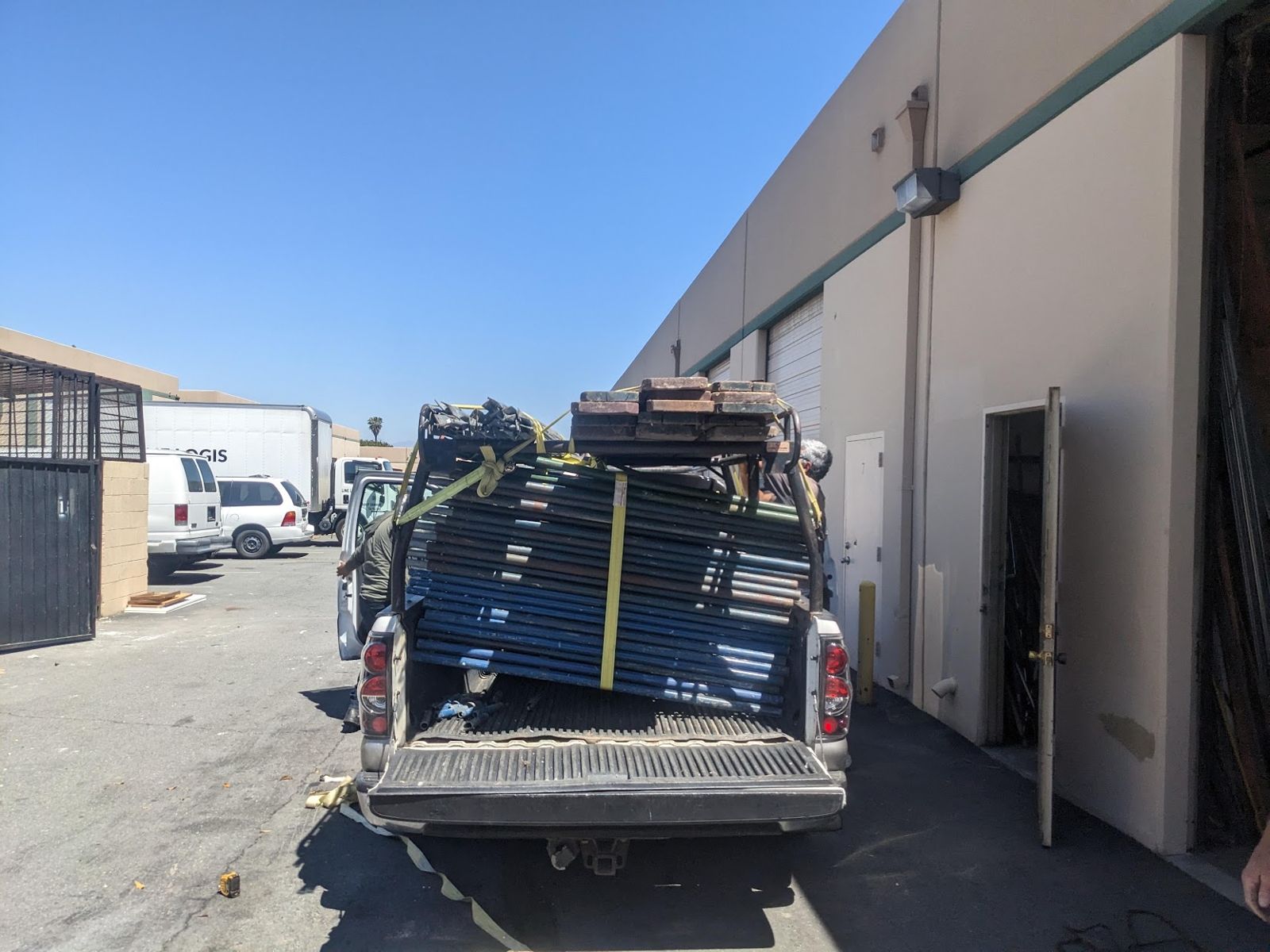
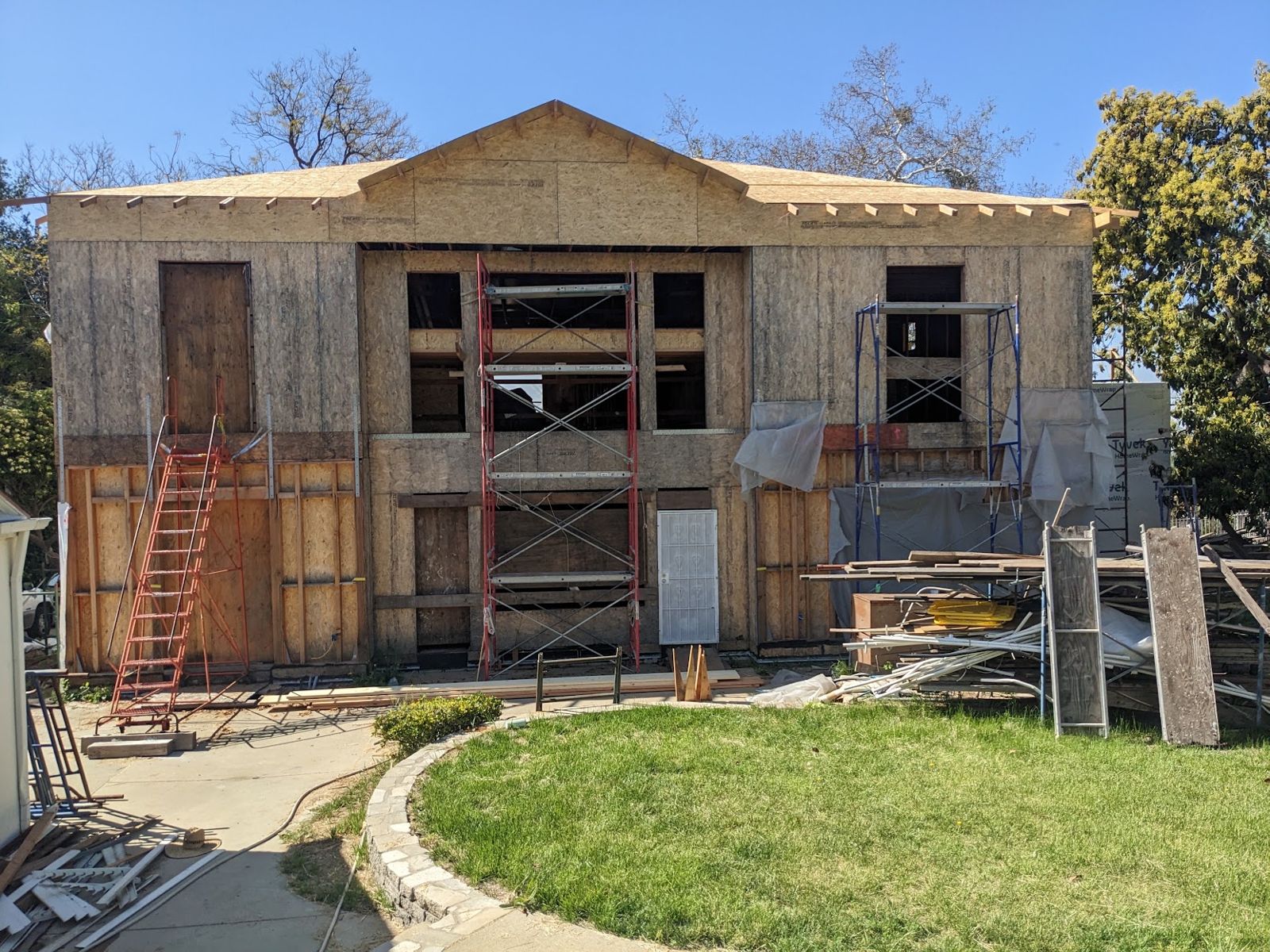
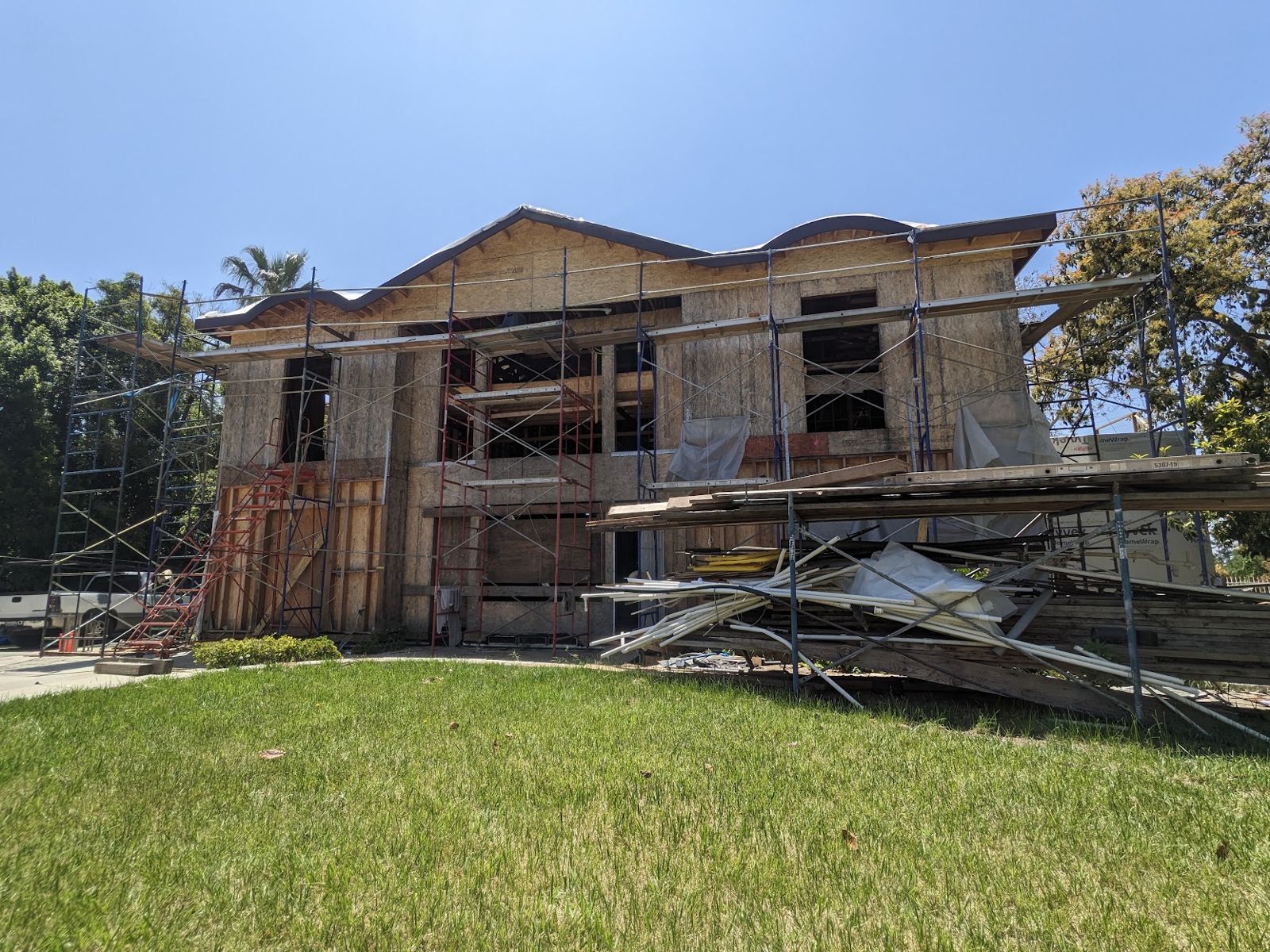
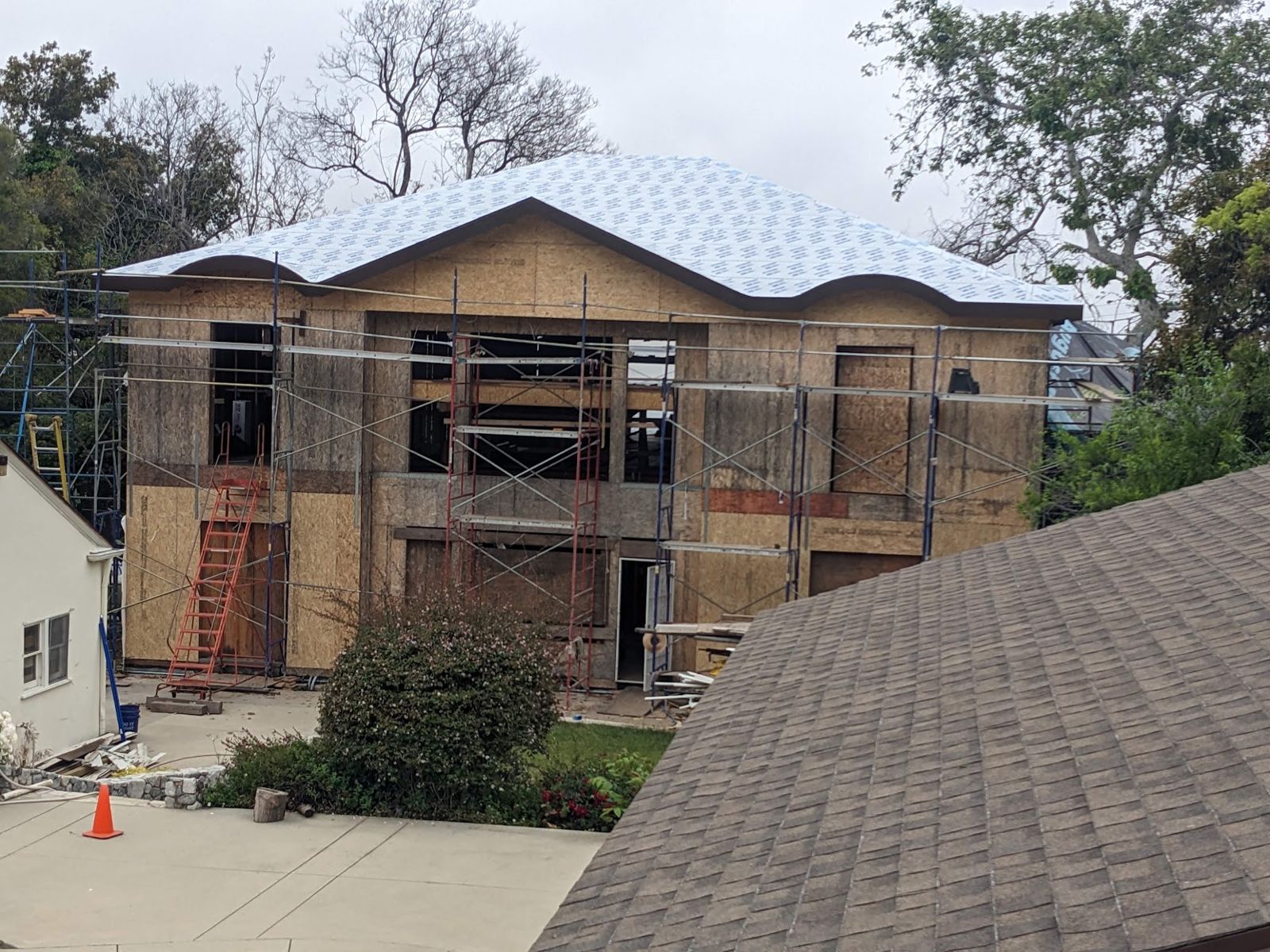
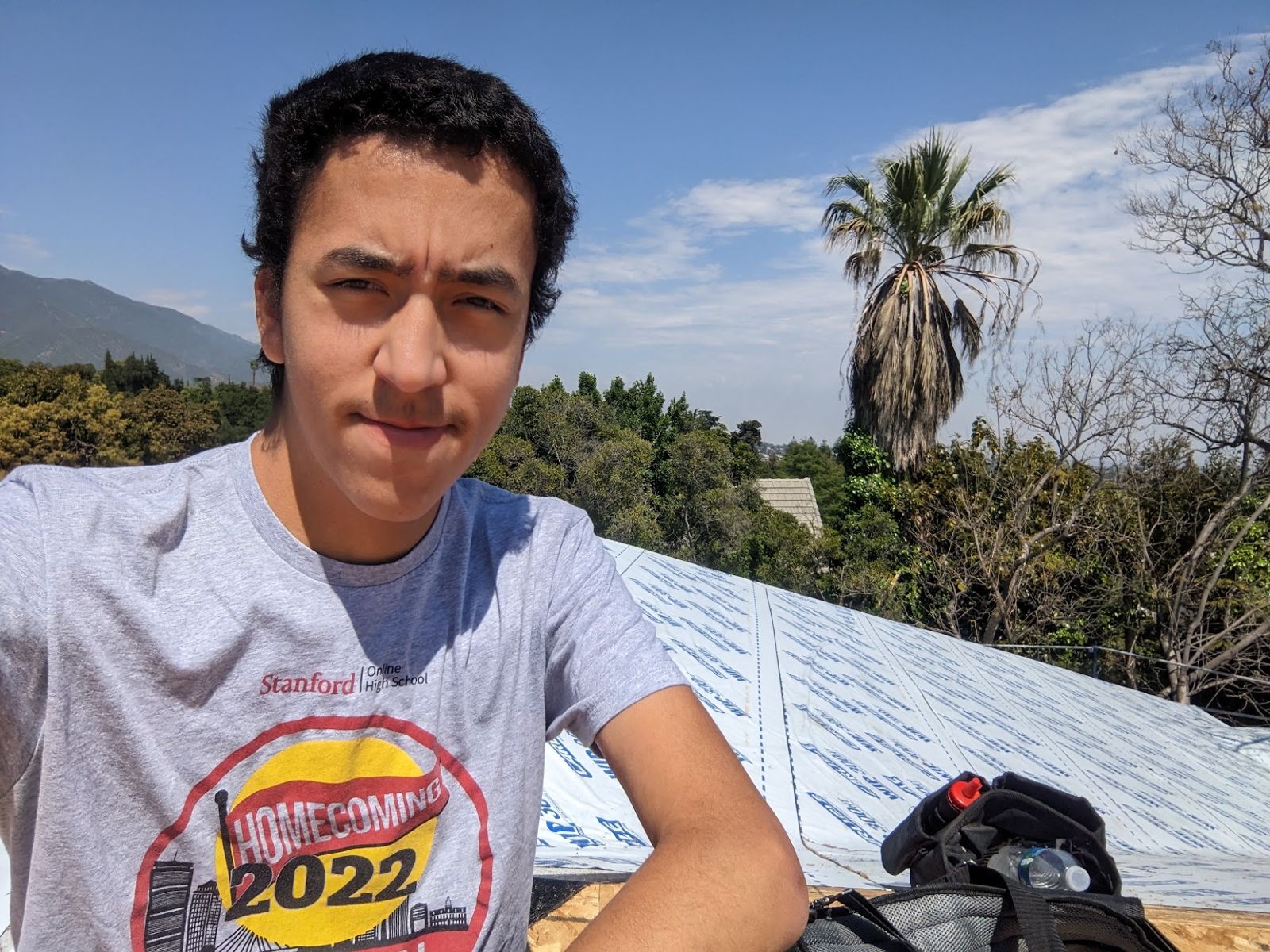
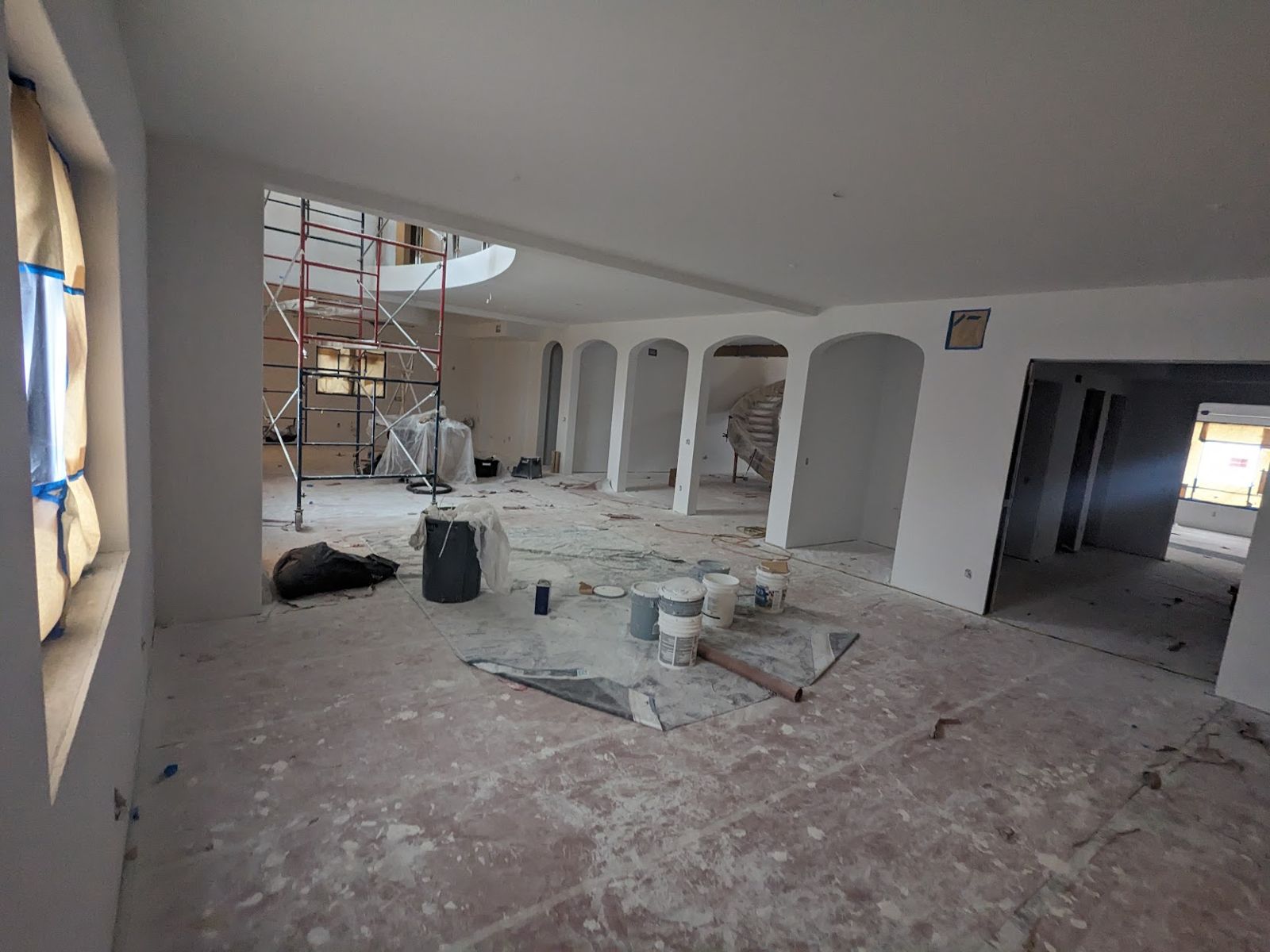
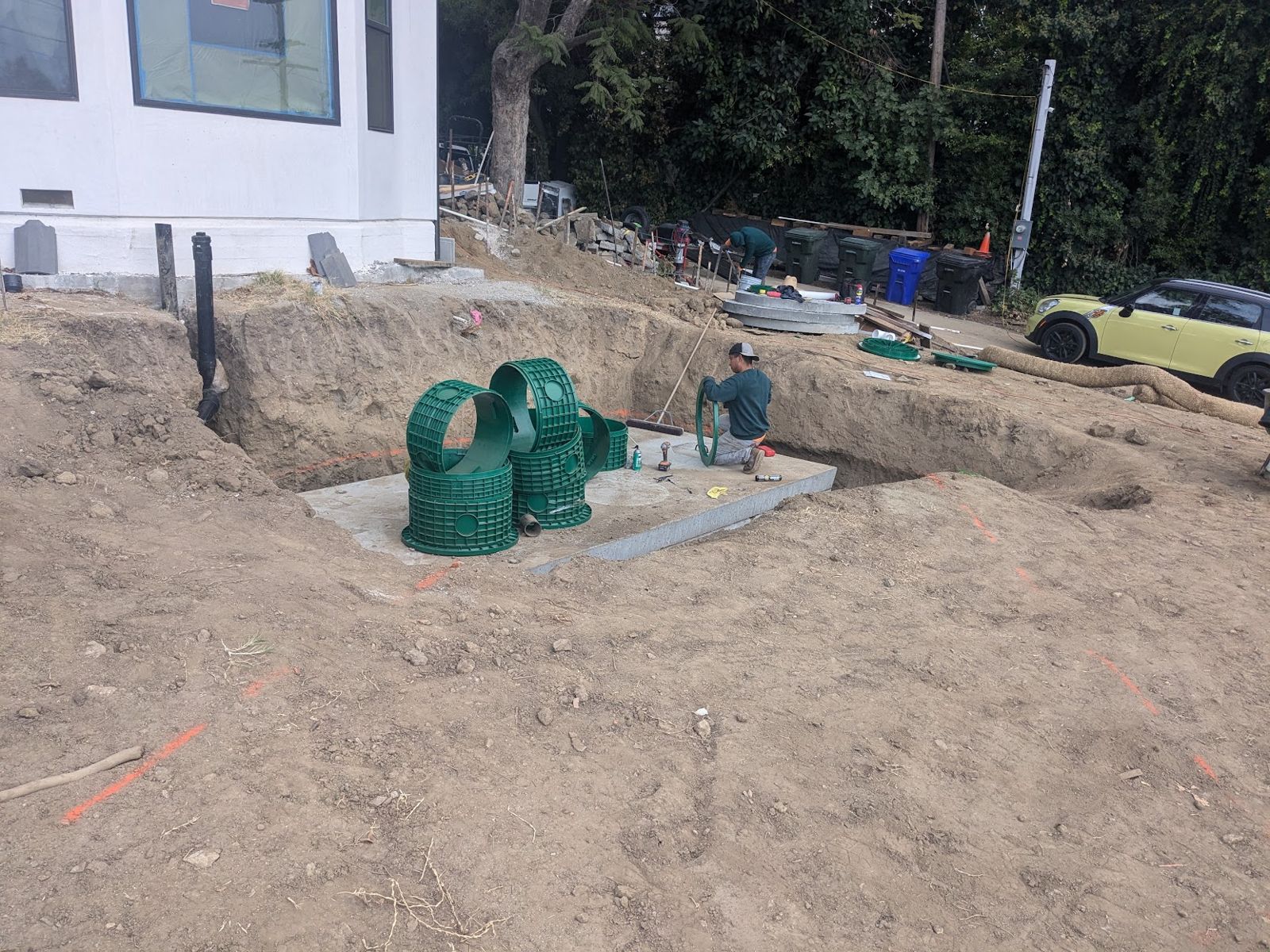
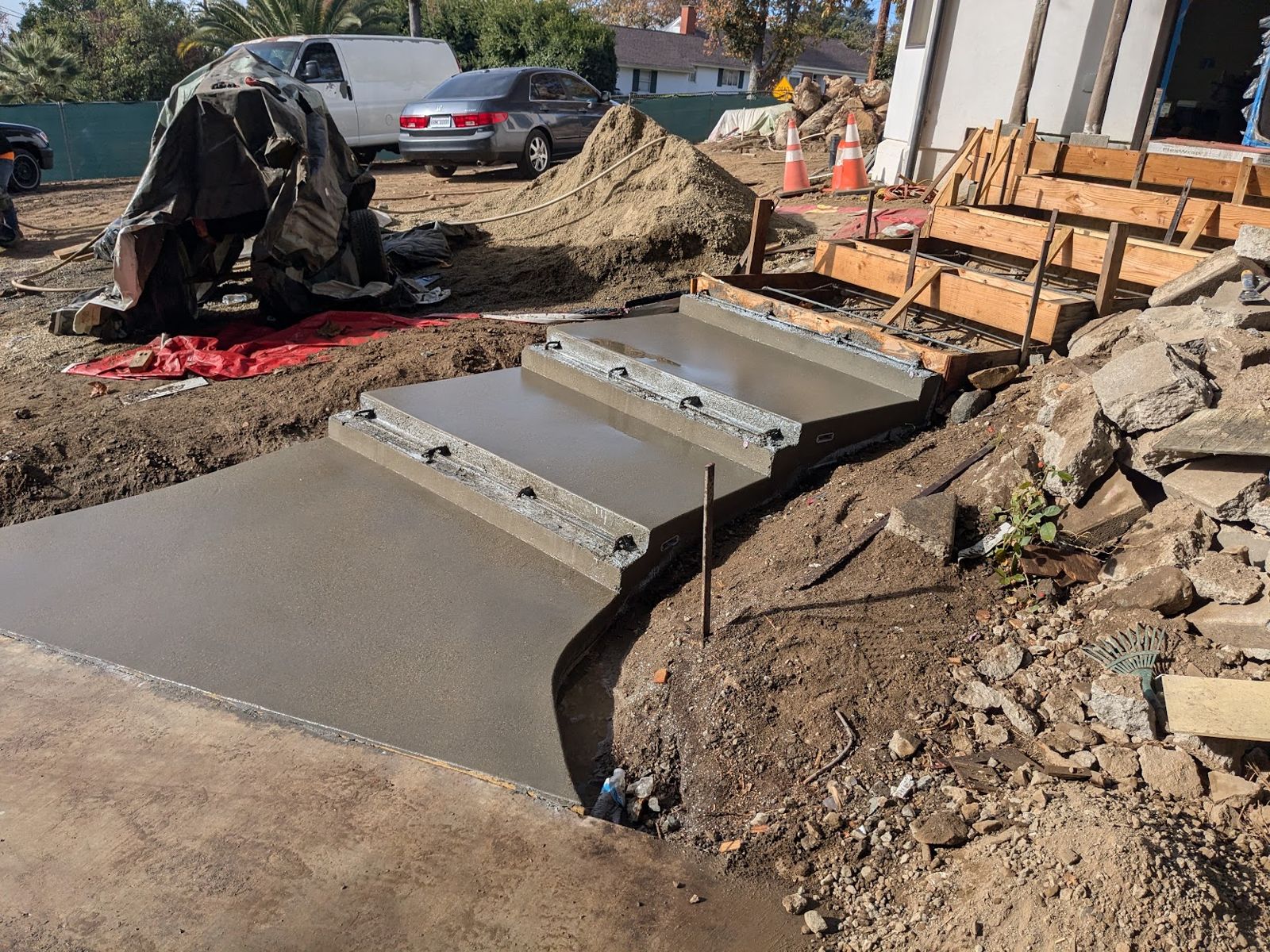
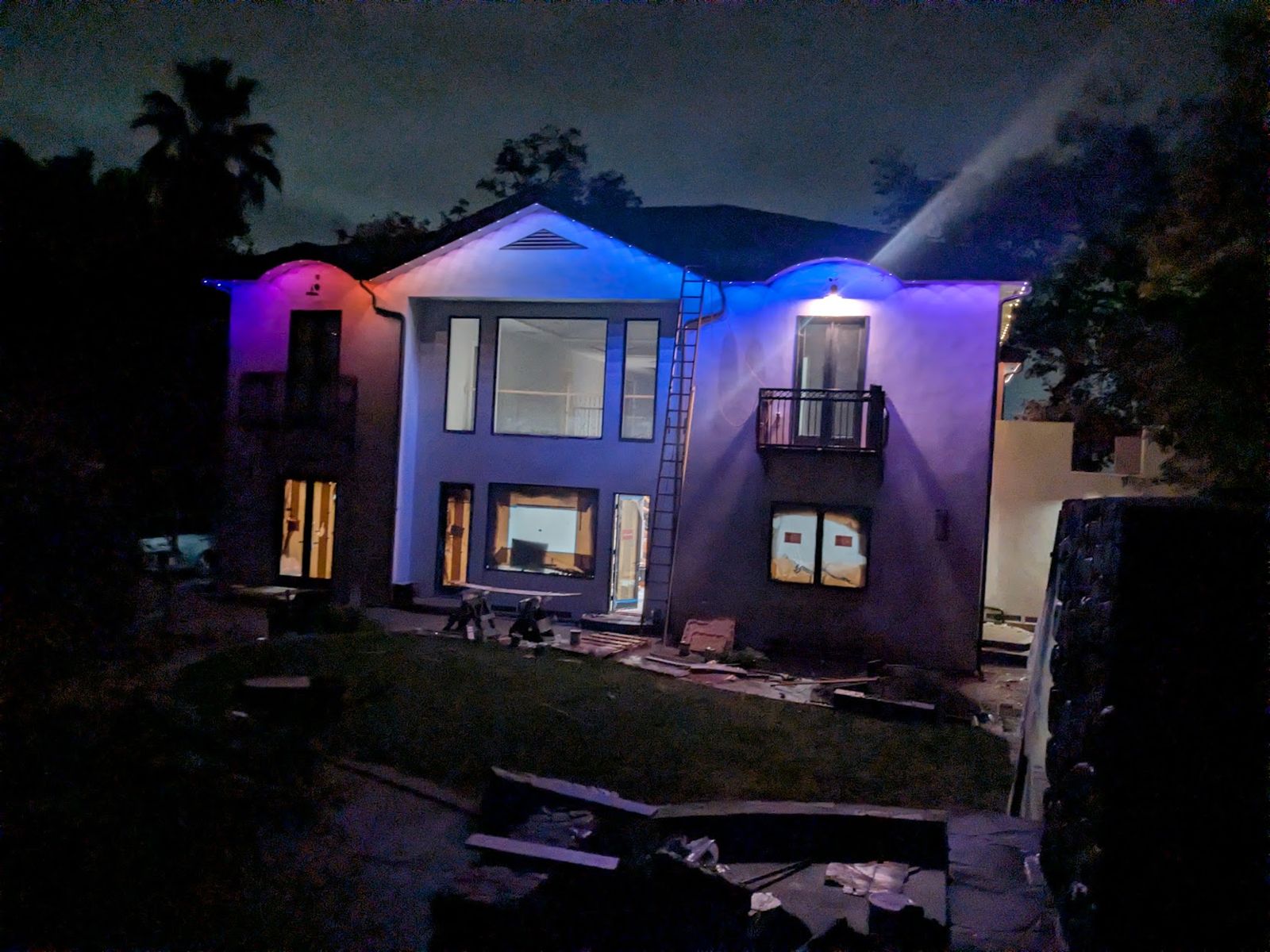
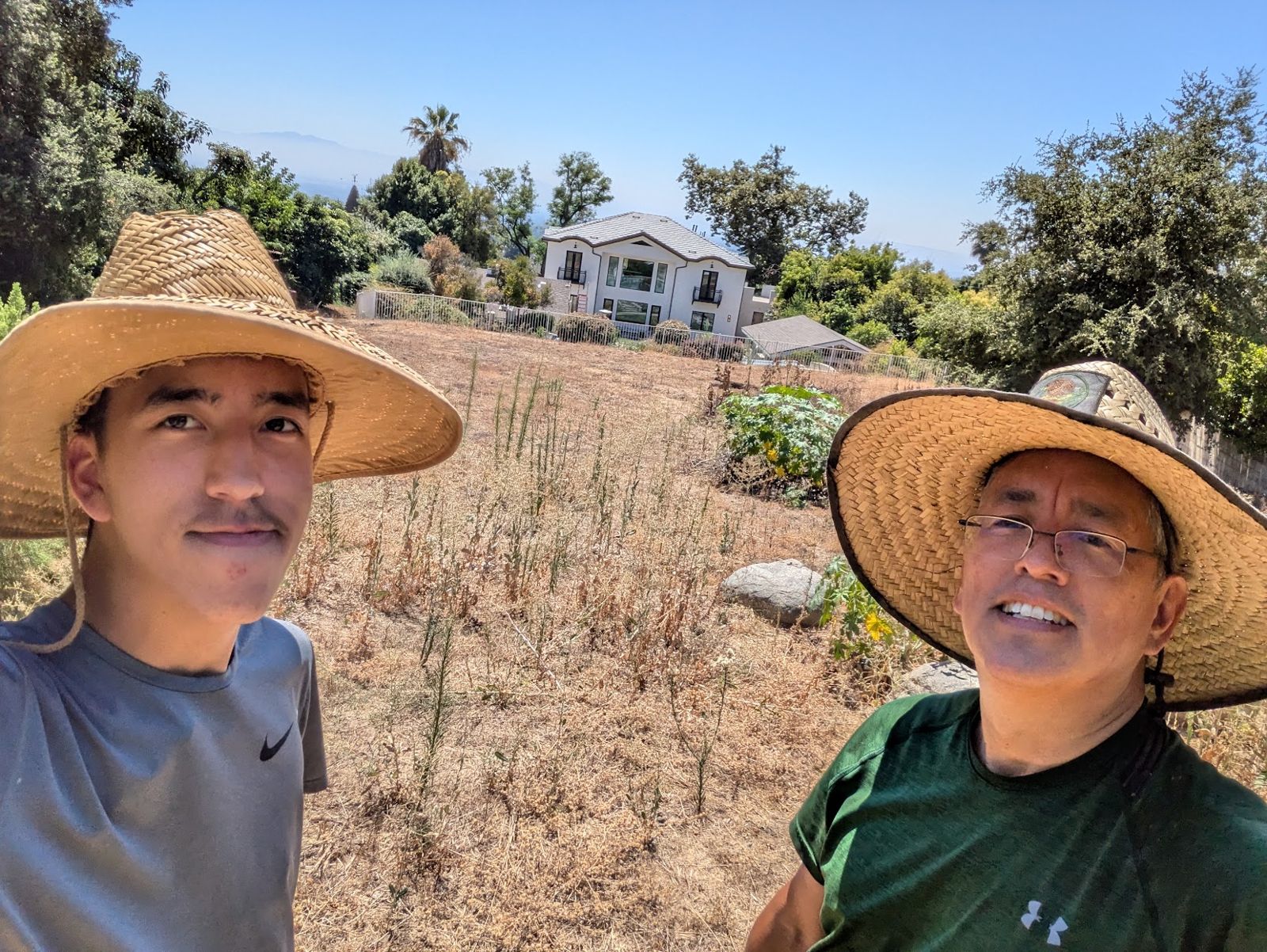
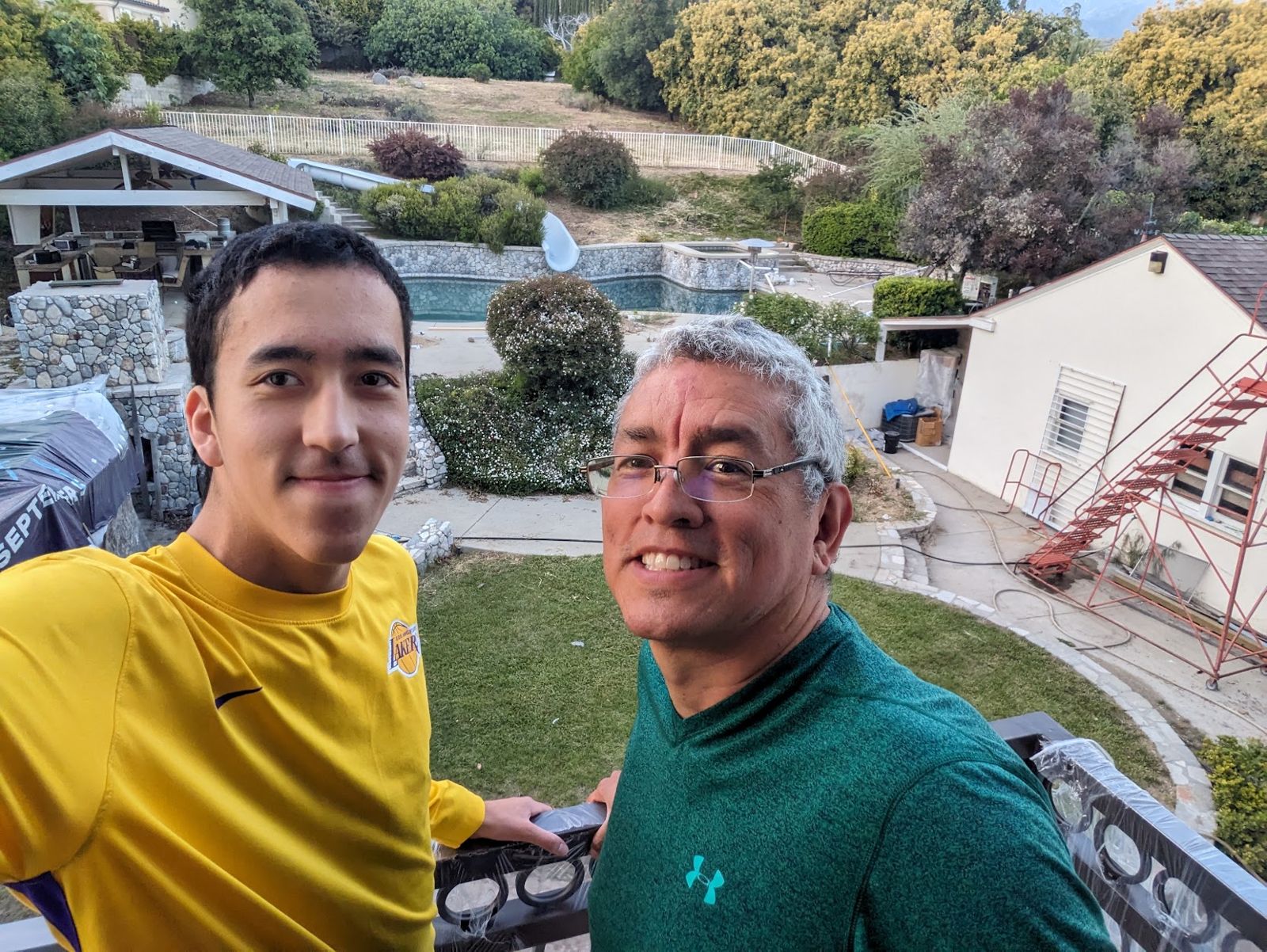
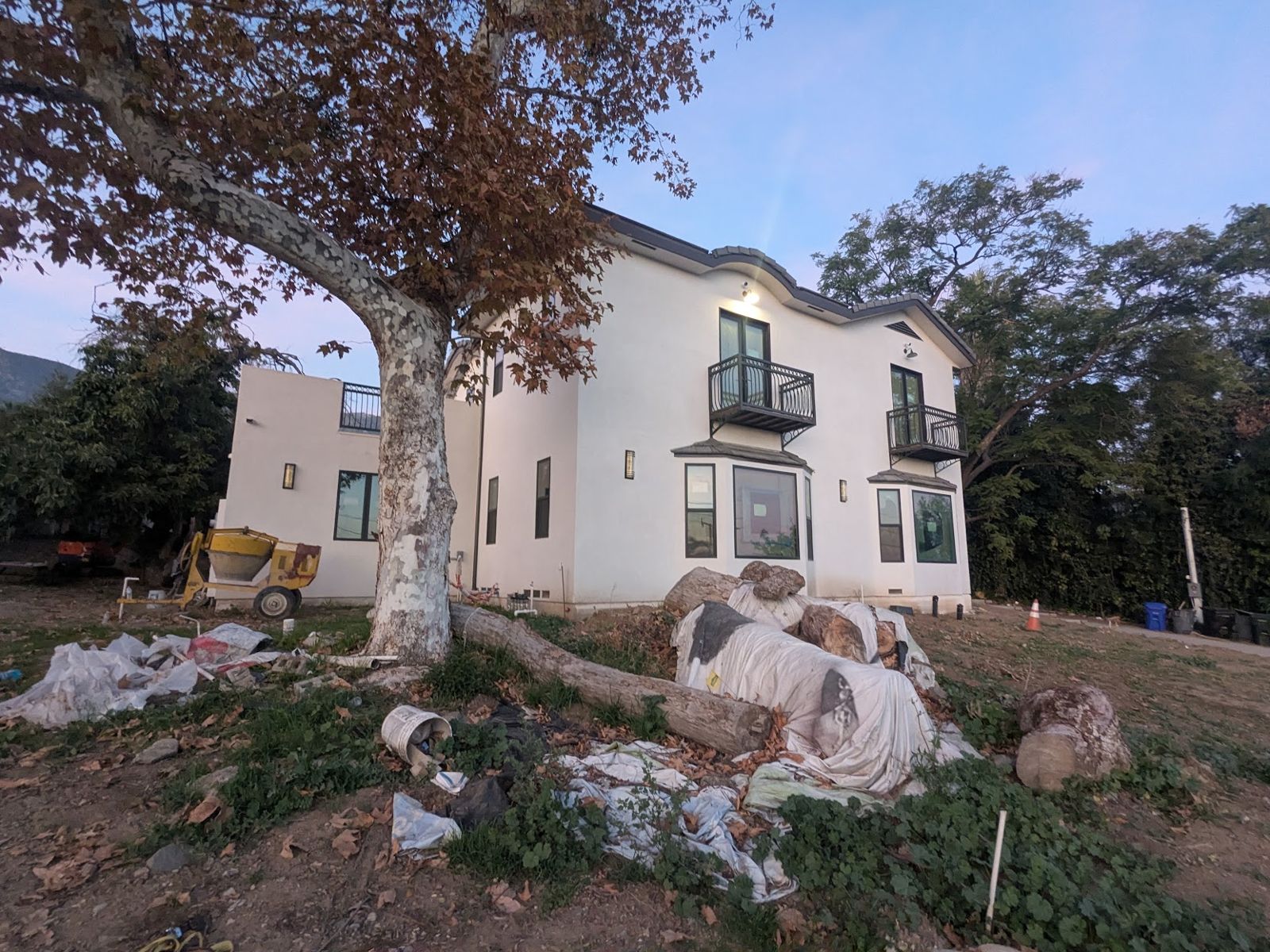
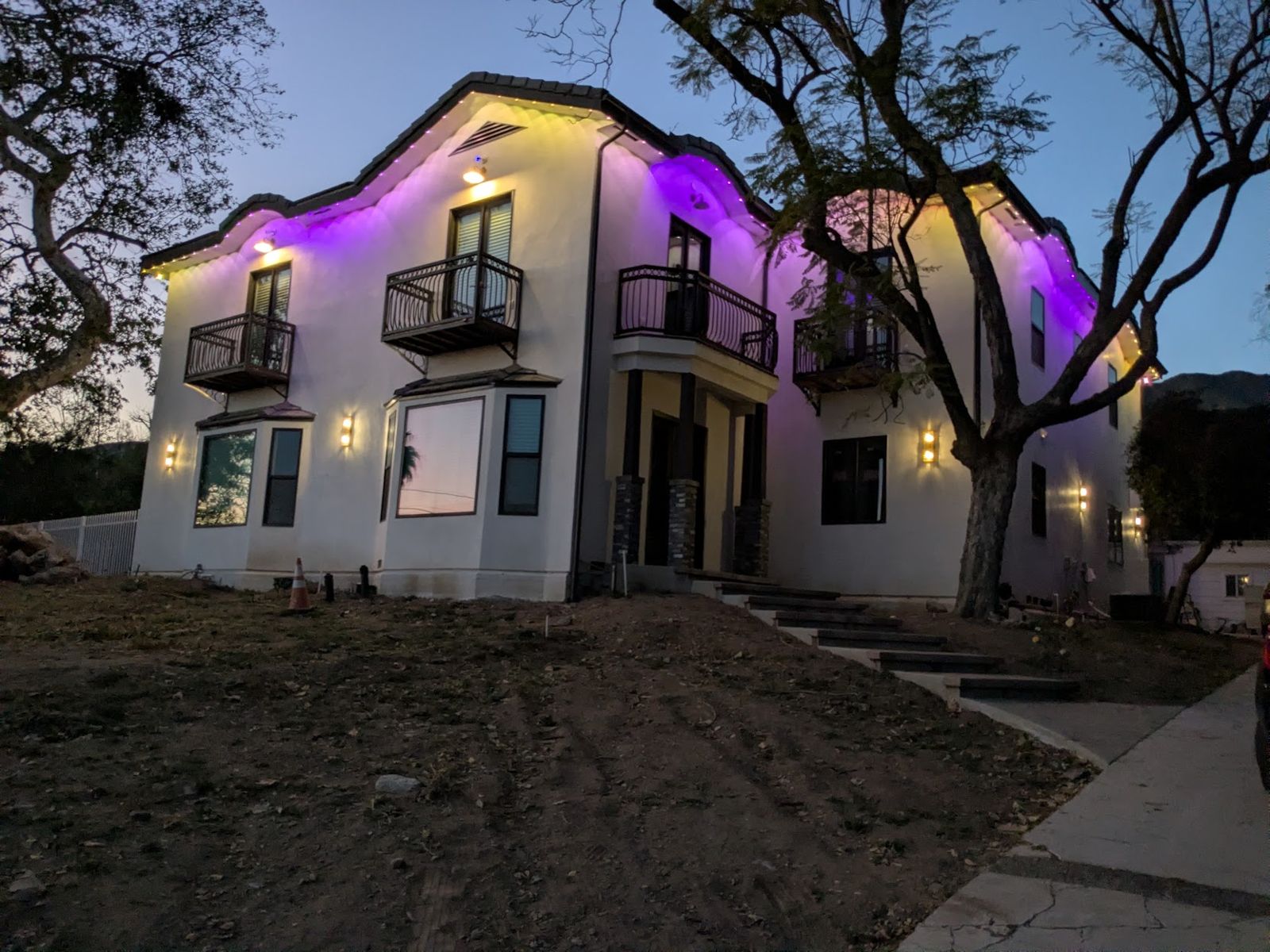
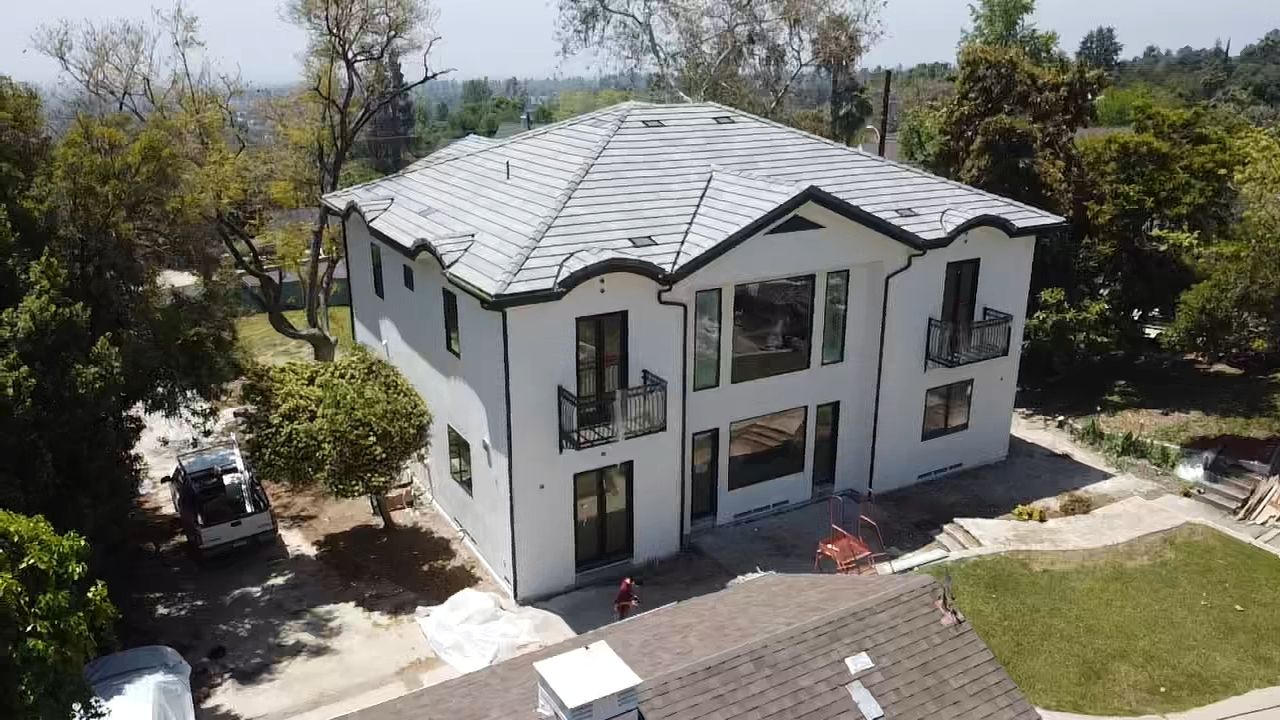
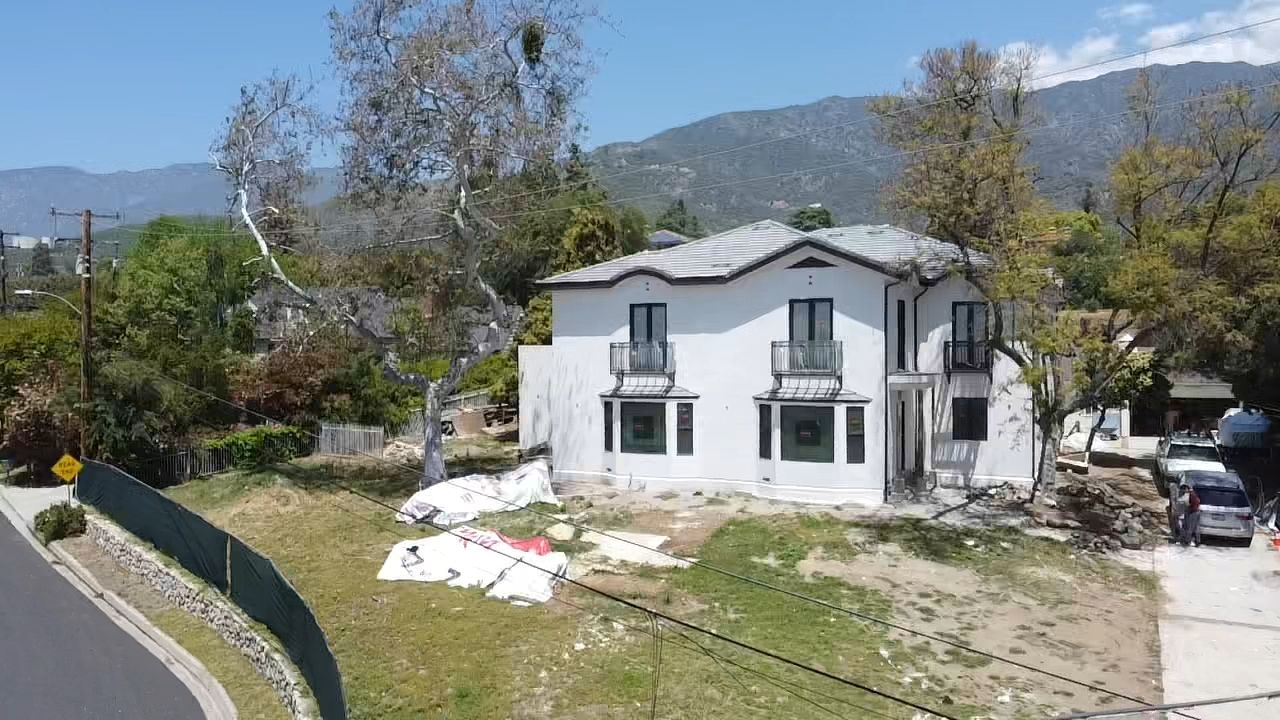
45 photos, from demolition to move-in. Scroll sideways or use the buttons.
-
01
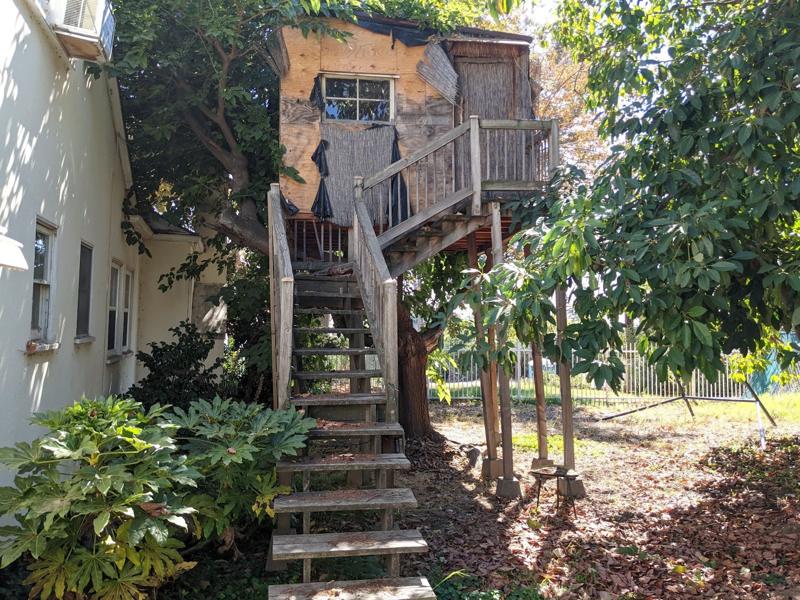
The original house had a treehouse, which we sadly had to take down
-
02
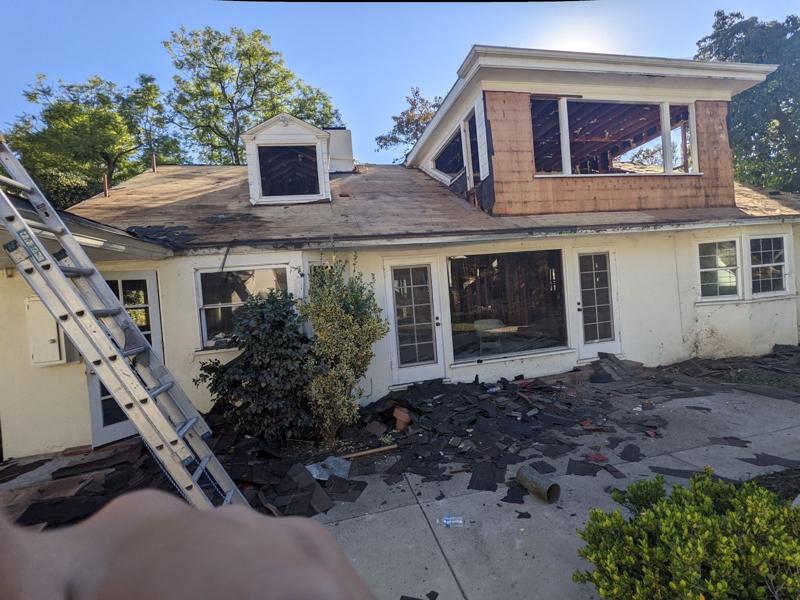
Demo: roof tiles coming off
-
03
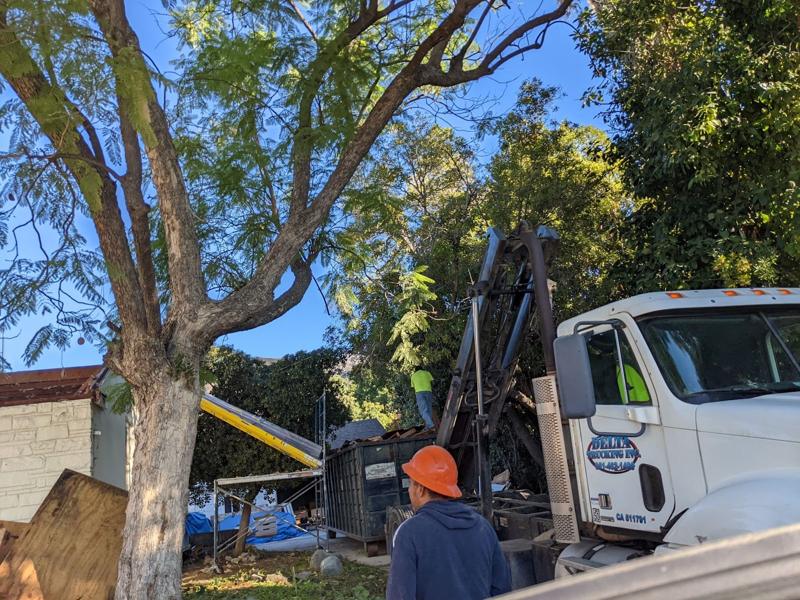
Our custom garbage chute during demo
-
04
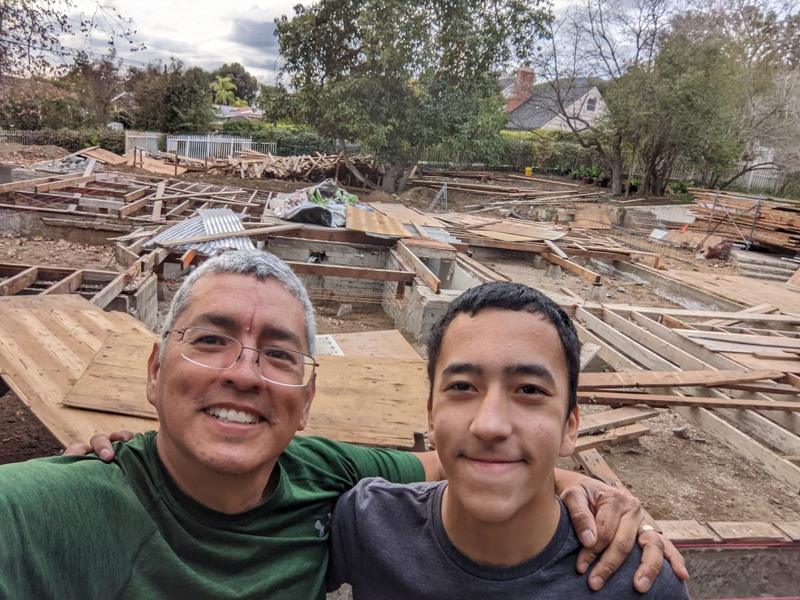
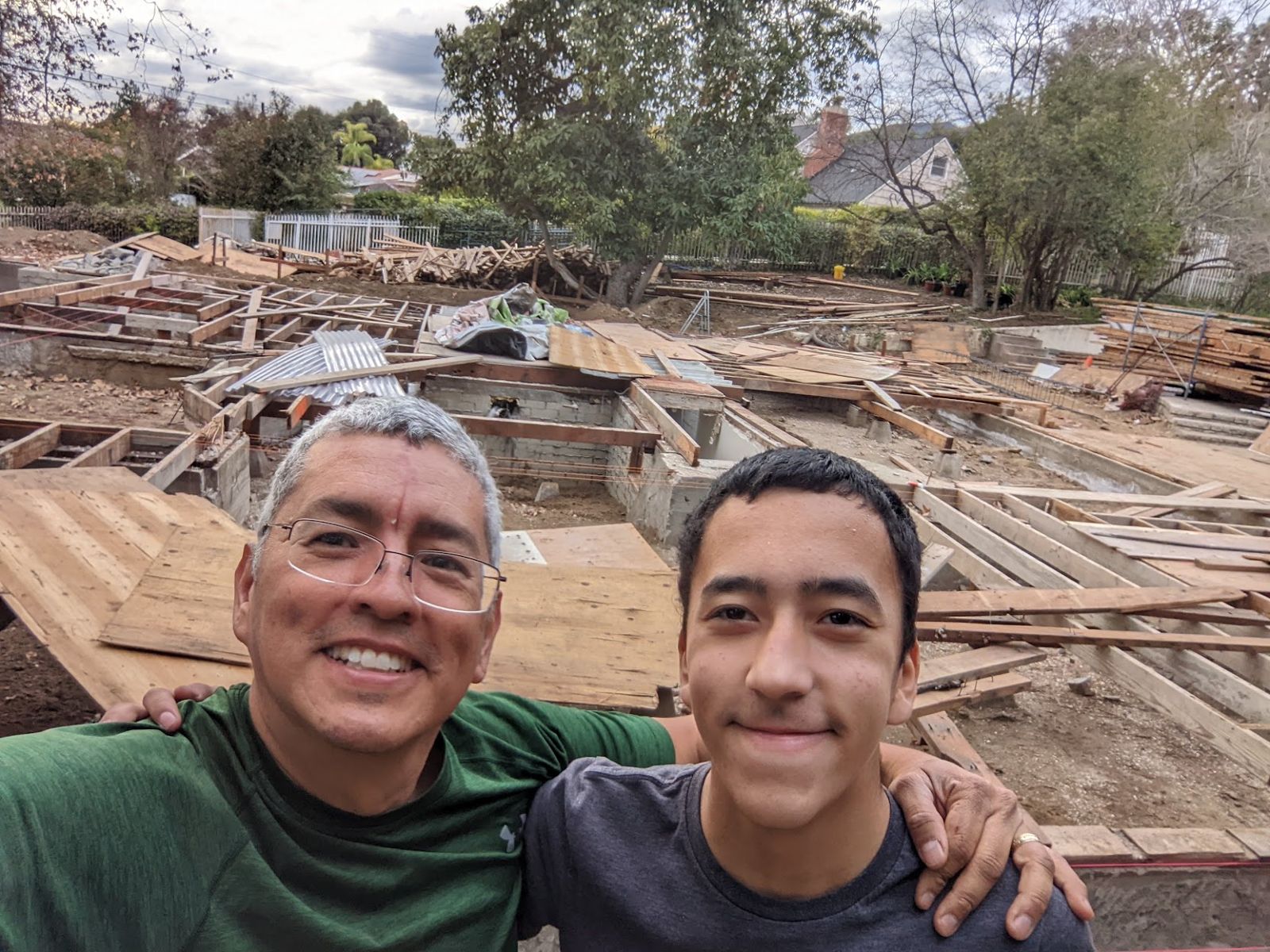
My dad and me once the original house was down to the foundation, so we could repour parts and start building
-
05
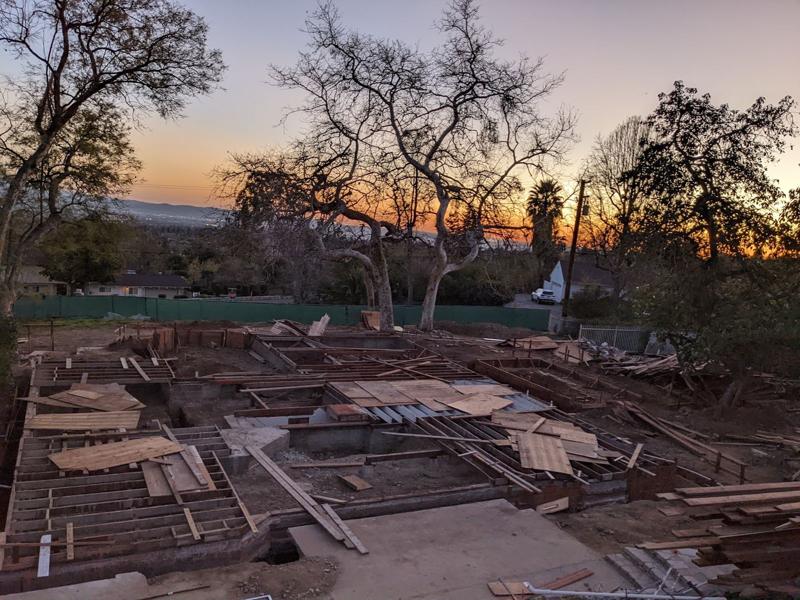
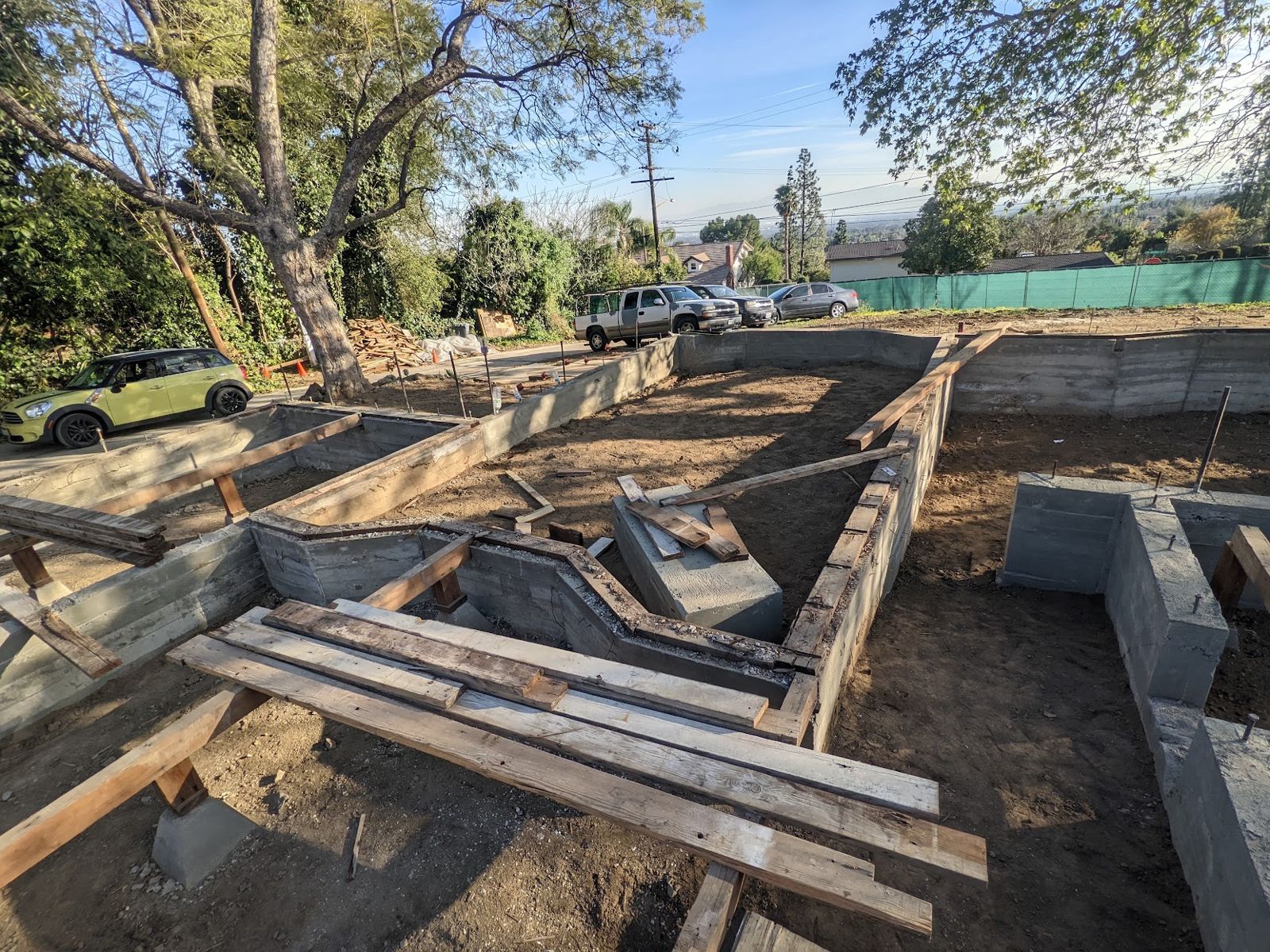
Foundation
-
06
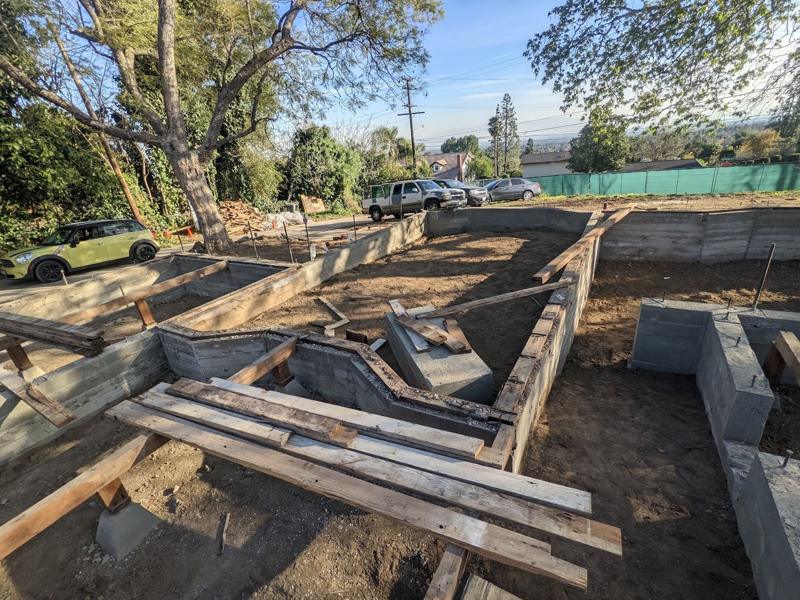
Foundation
-
07
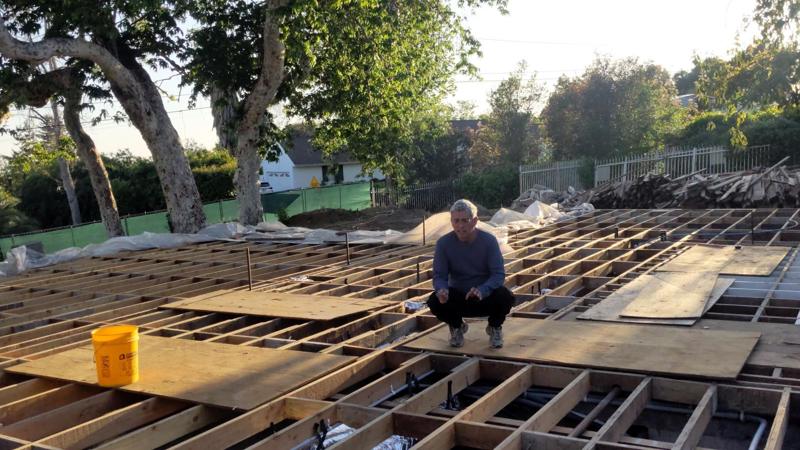
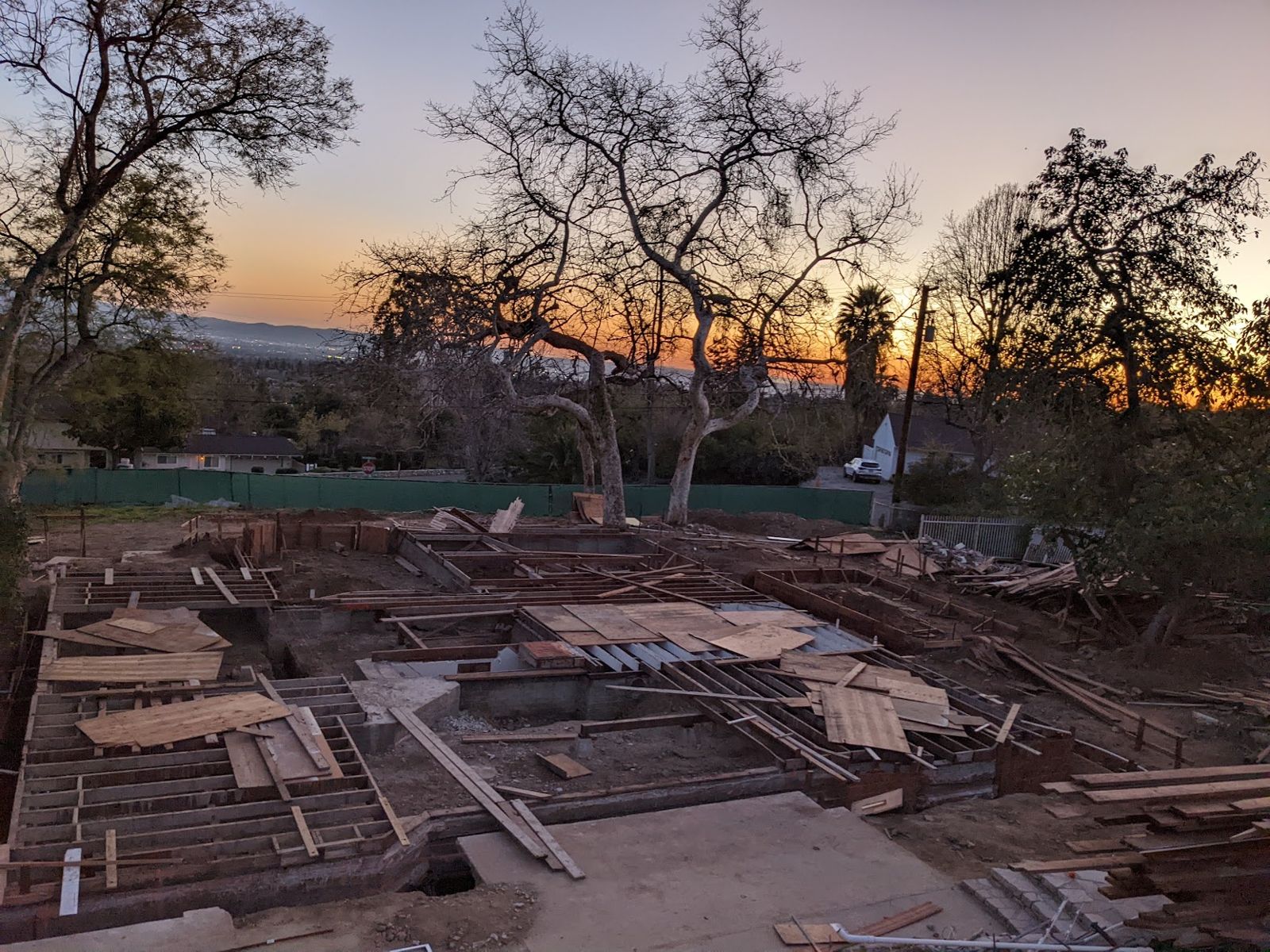
First story, earlier
-
08
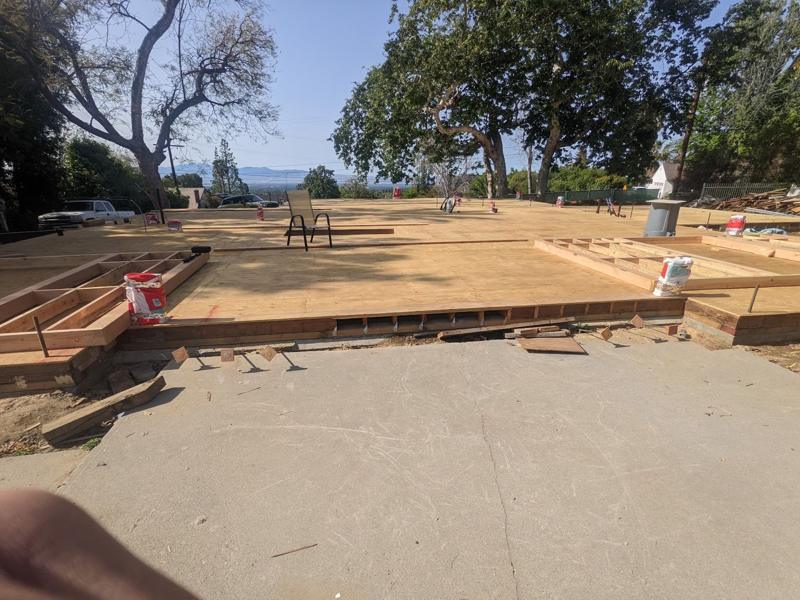
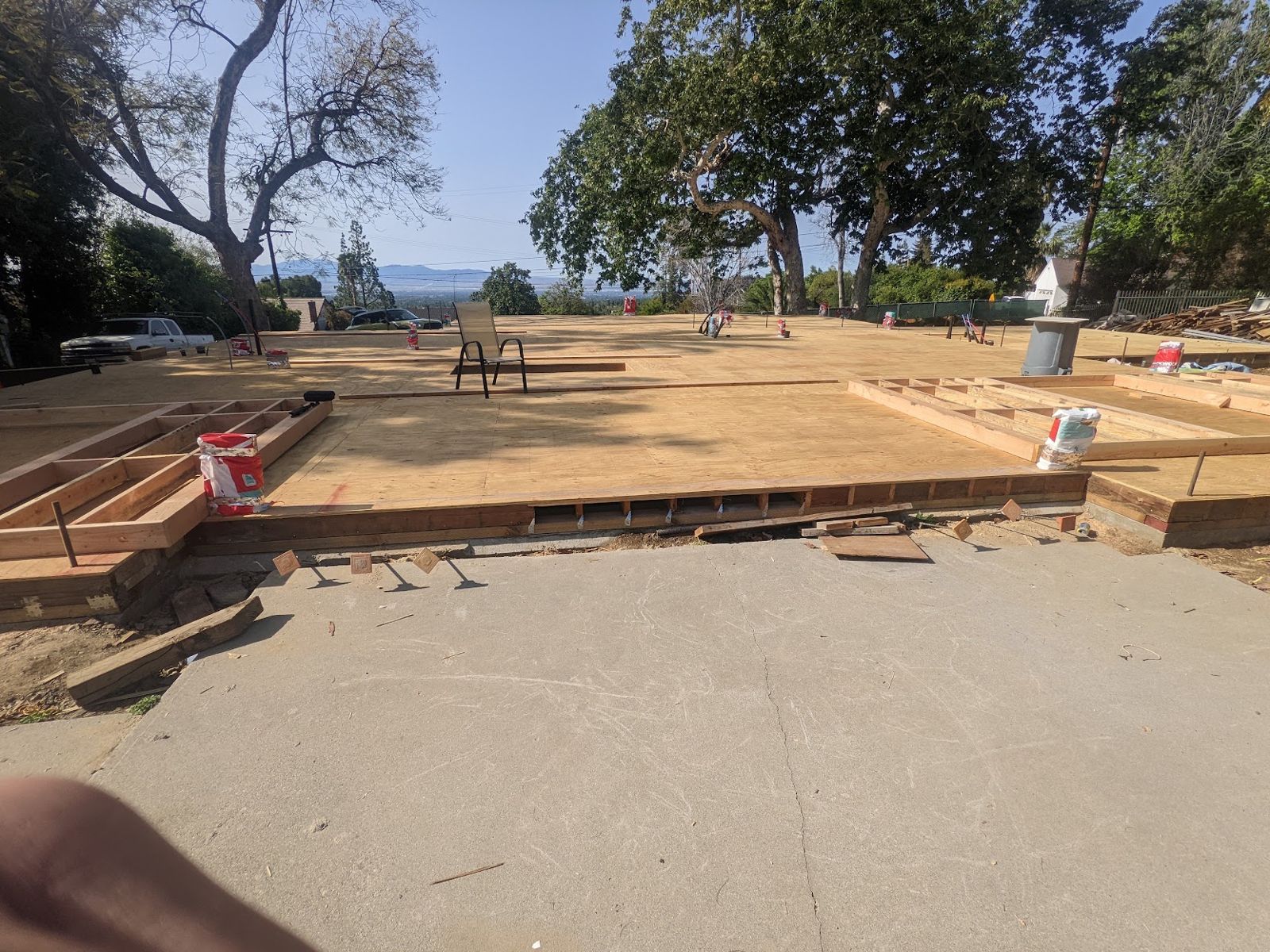
First story with just the foundation and floor
-
09
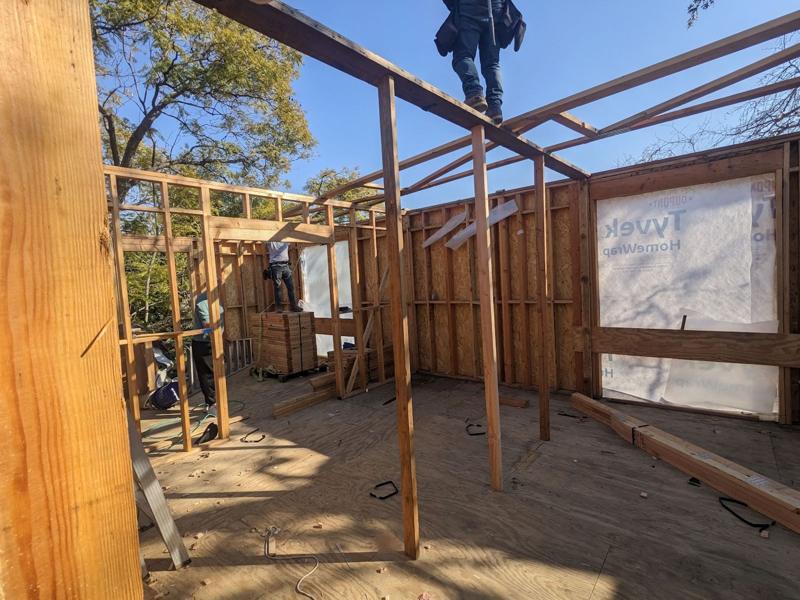
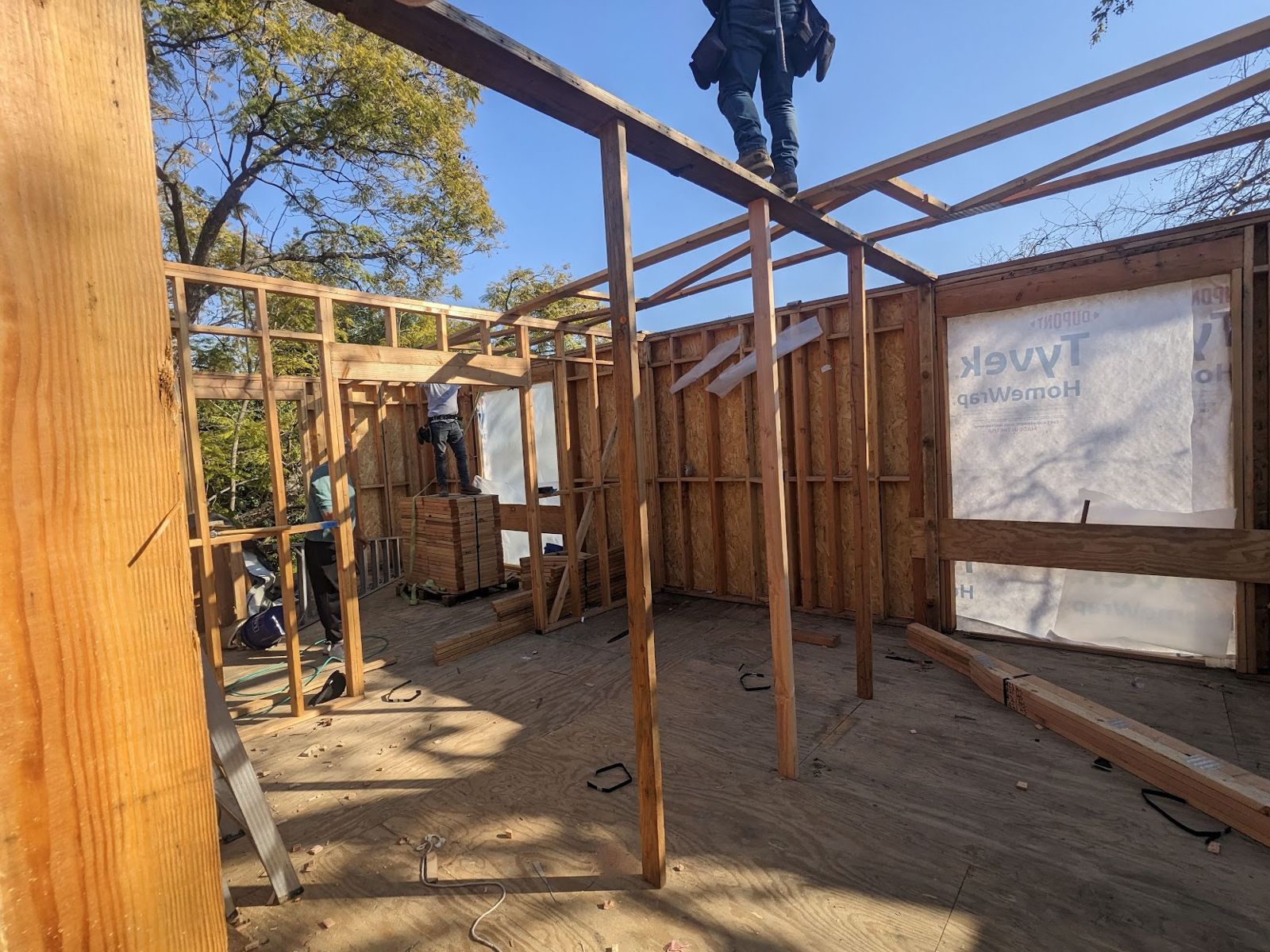
Framing
-
10
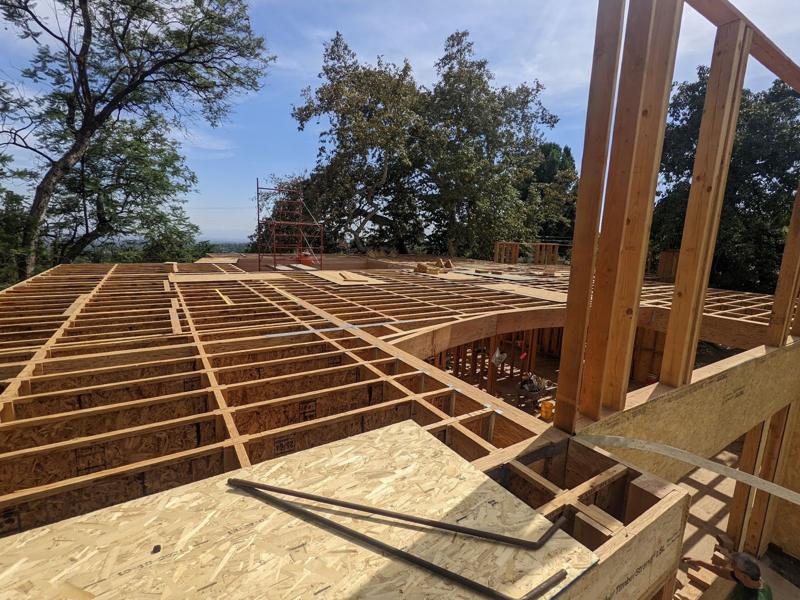
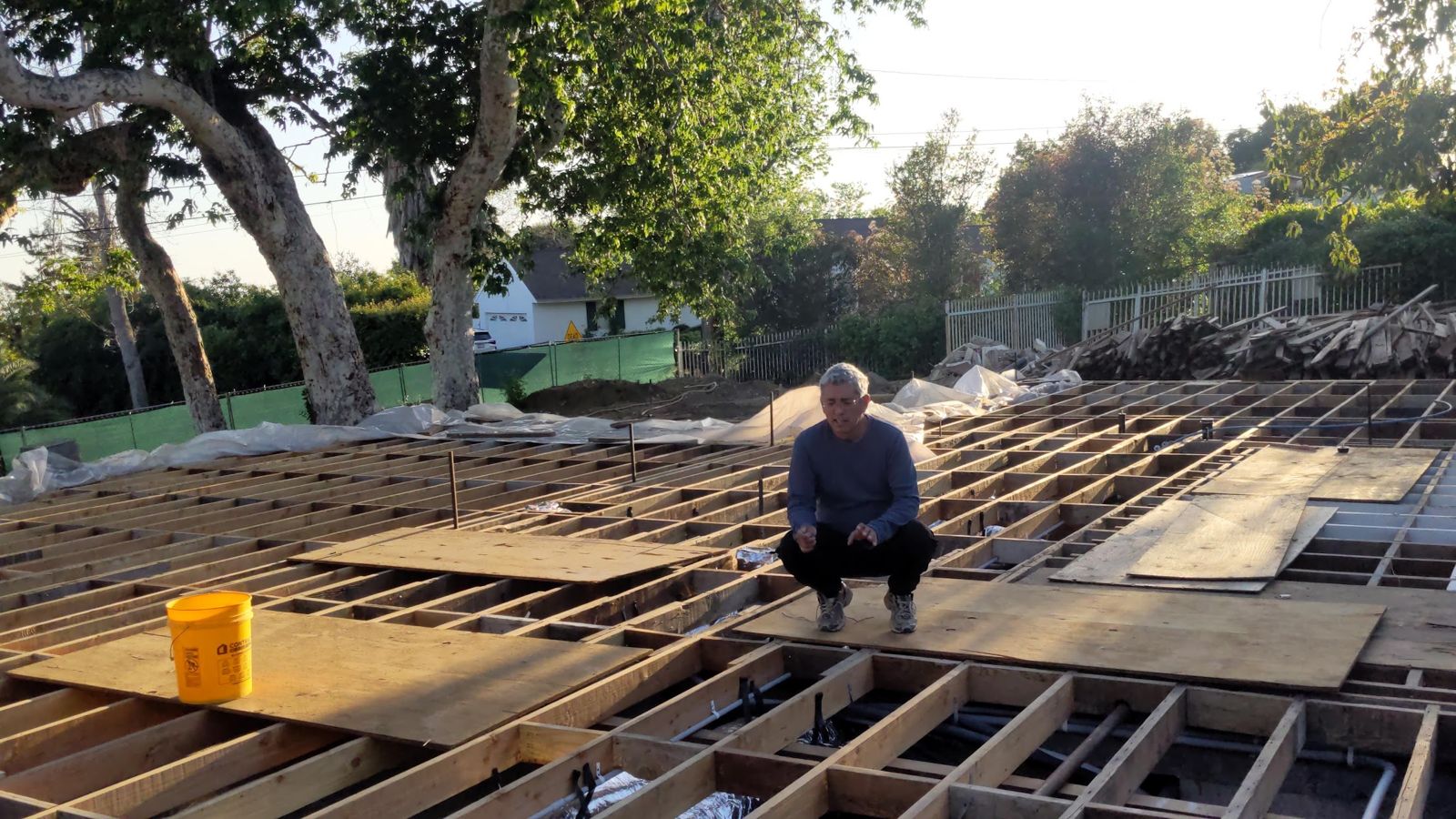
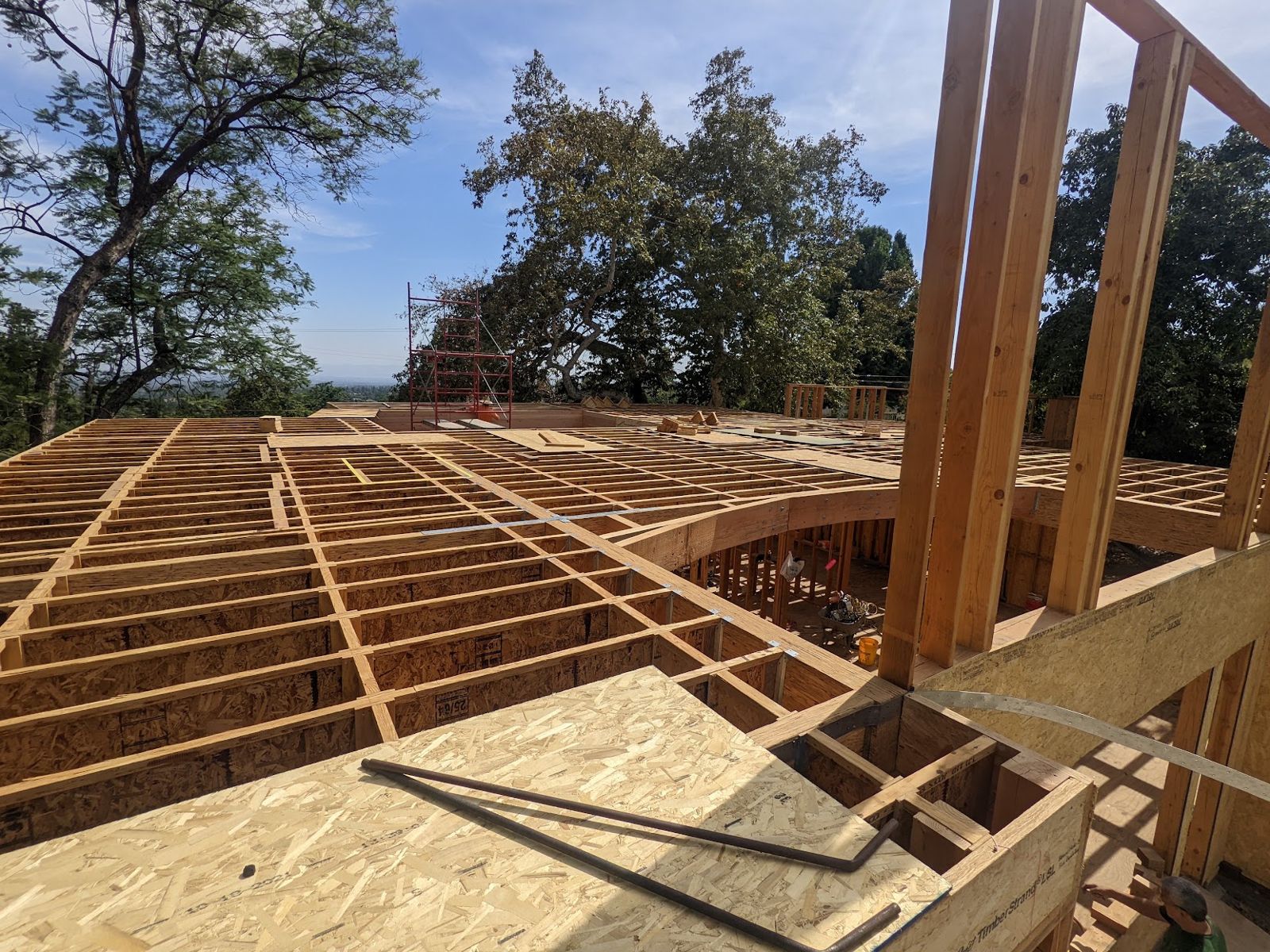
Second floor system
-
11
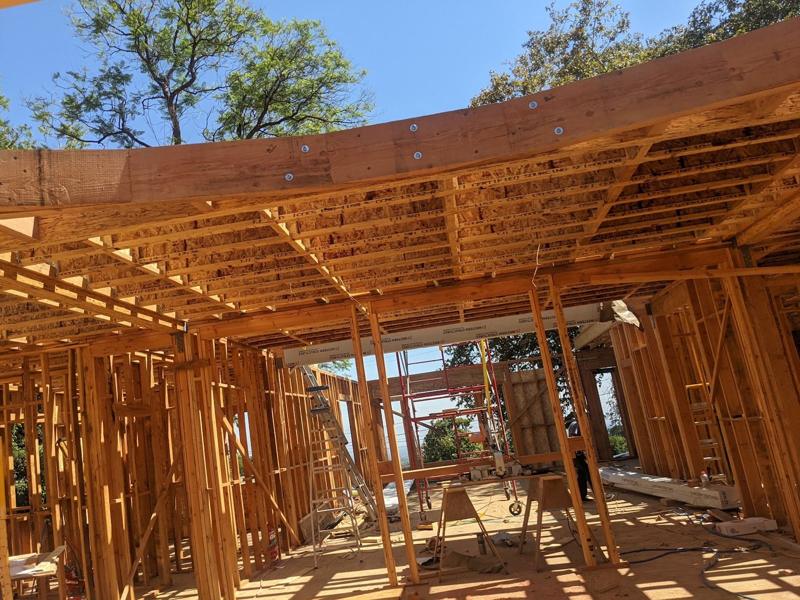
Framing
-
12
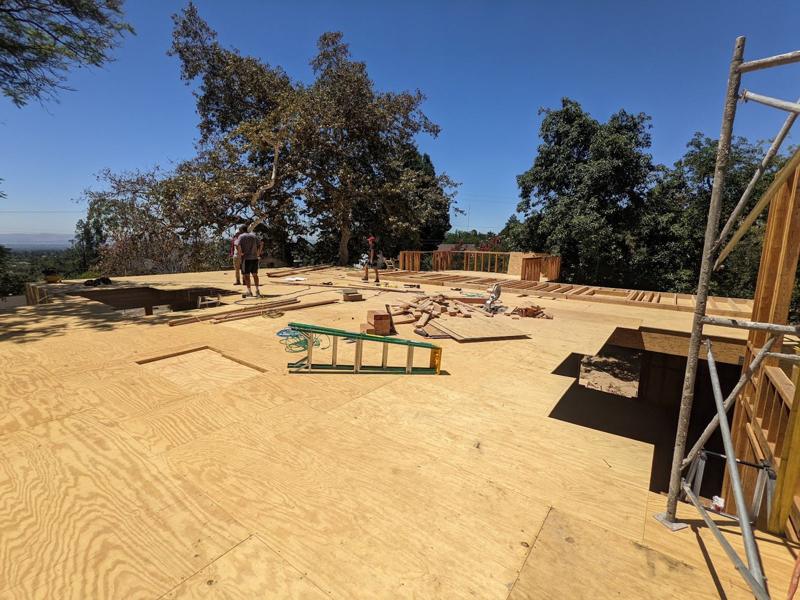
Second floor deck
-
13
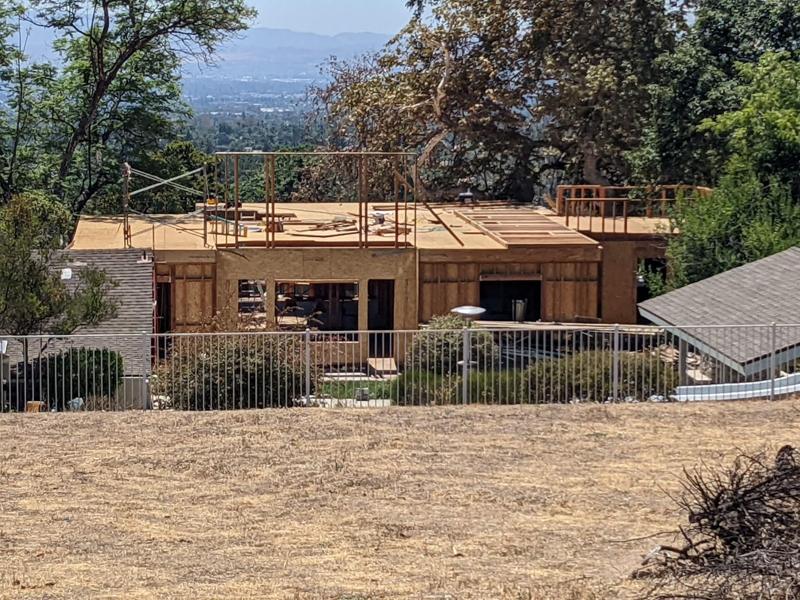
Framing
-
14
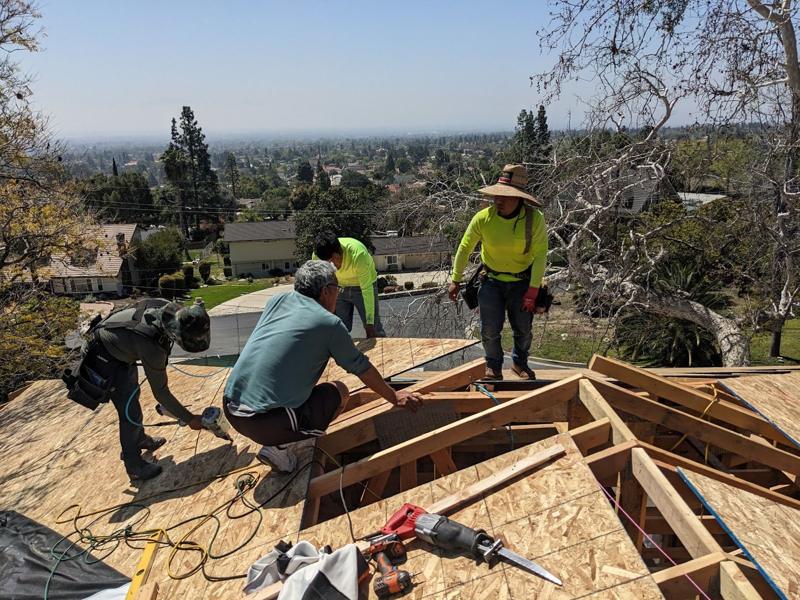
Working on the roof
-
15
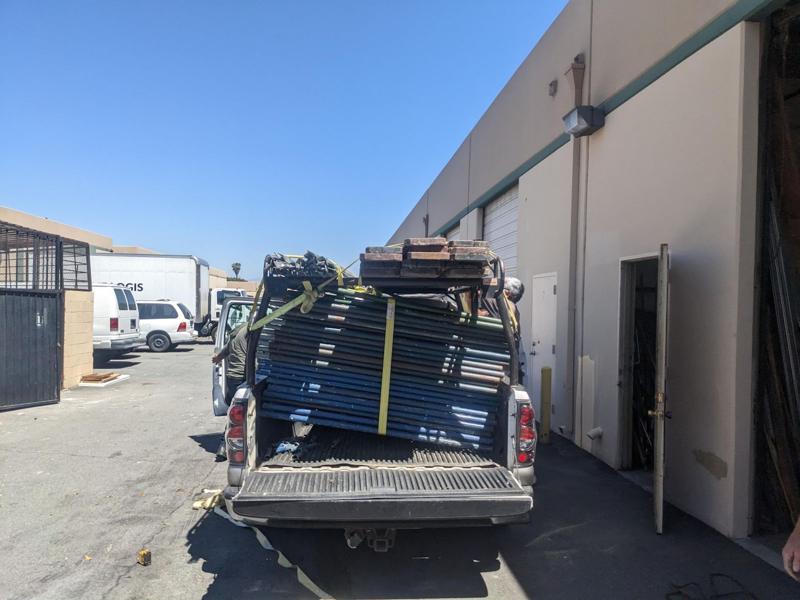
Scaffolding we got off OfferUp
-
16
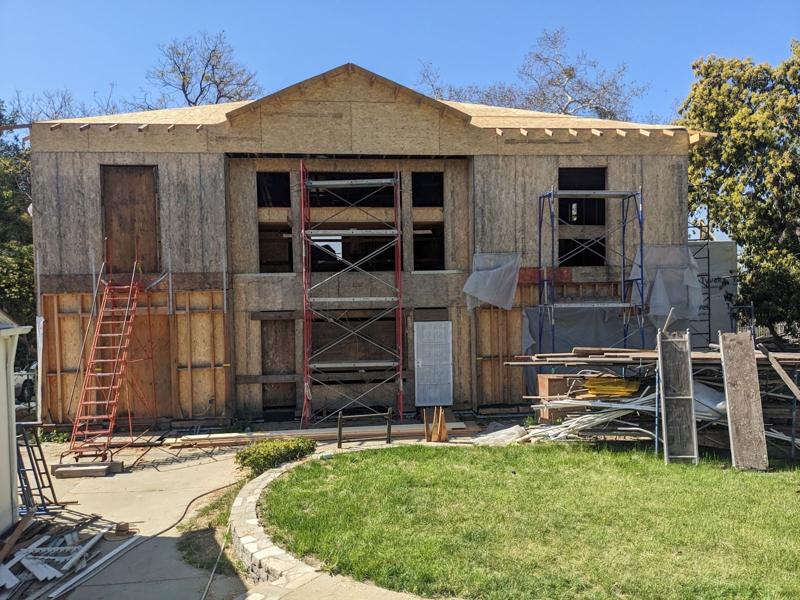
Sheathed
-
17
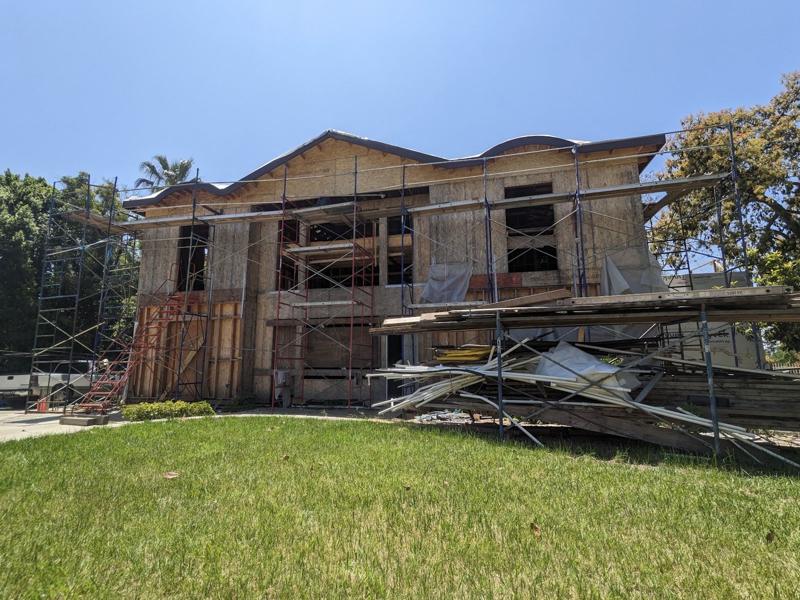
Sheathed
-
18
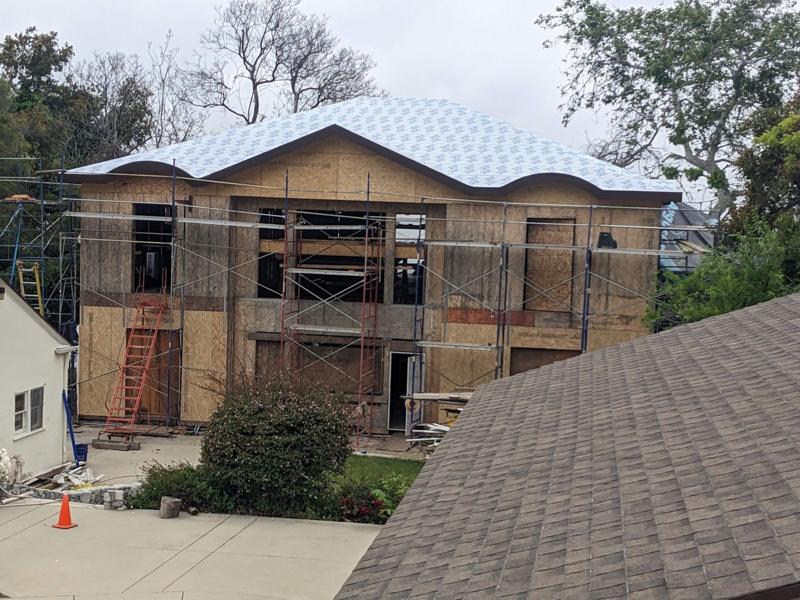
Roof underlayment
-
19
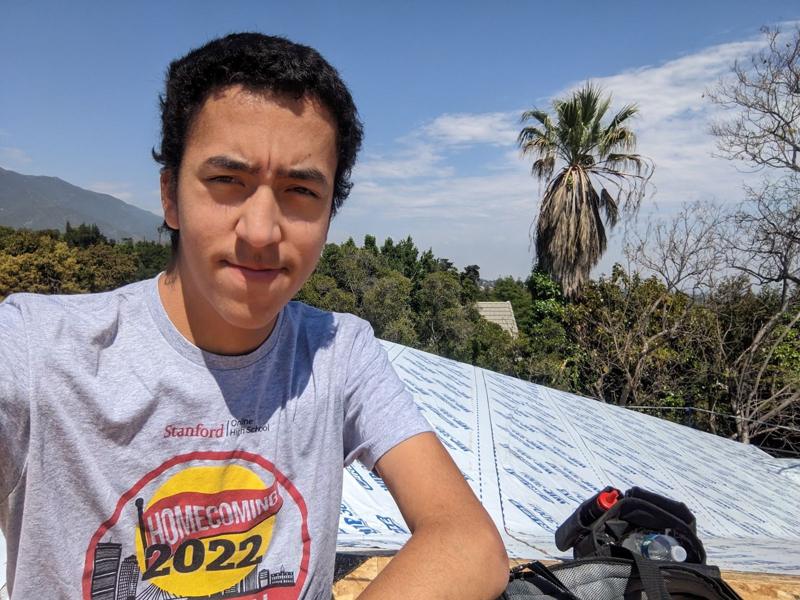
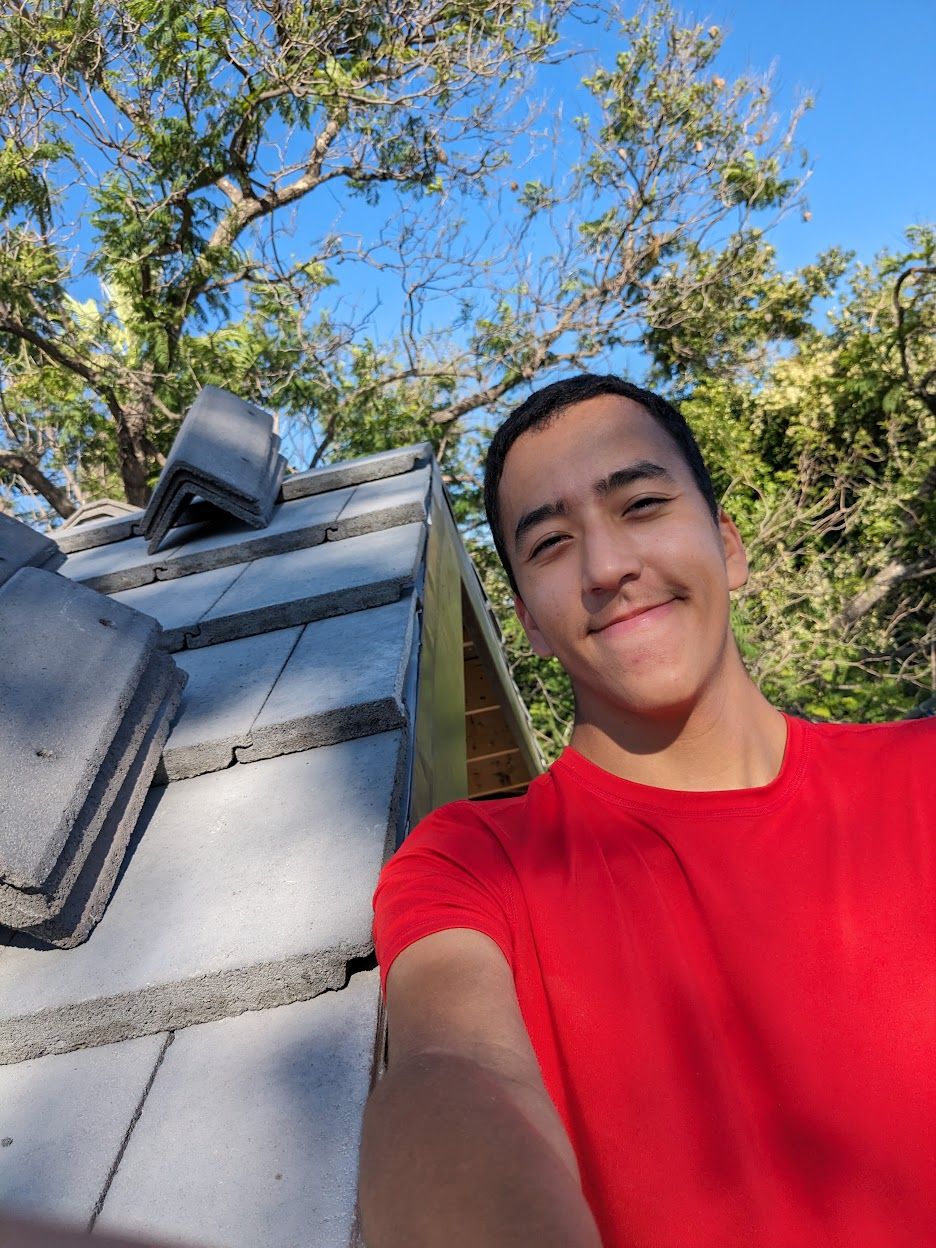
Me on the roof during underlayment
-
20
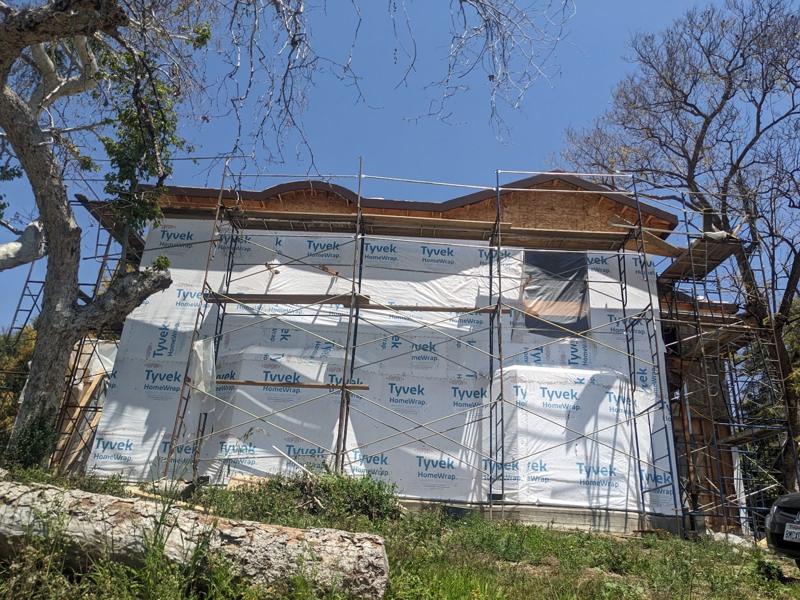
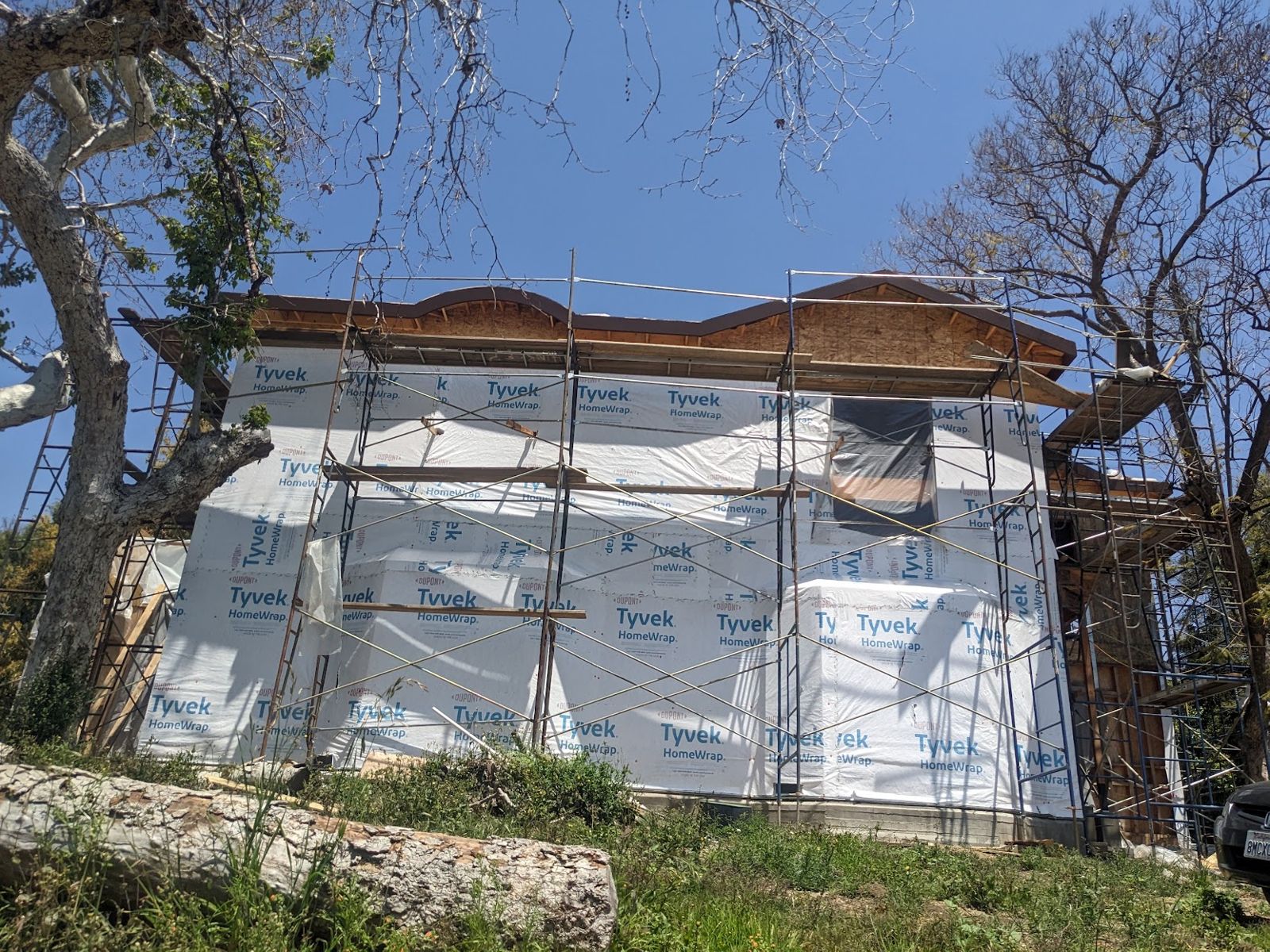
House wrap
-
21
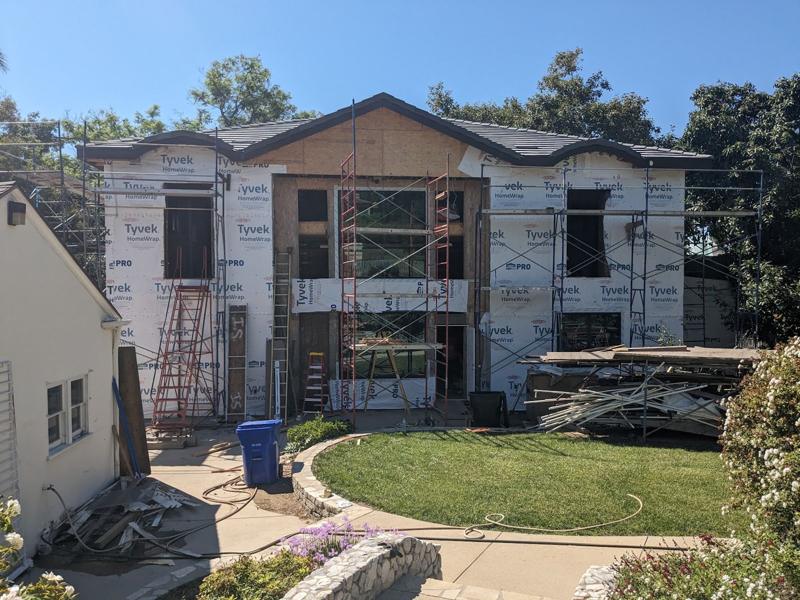
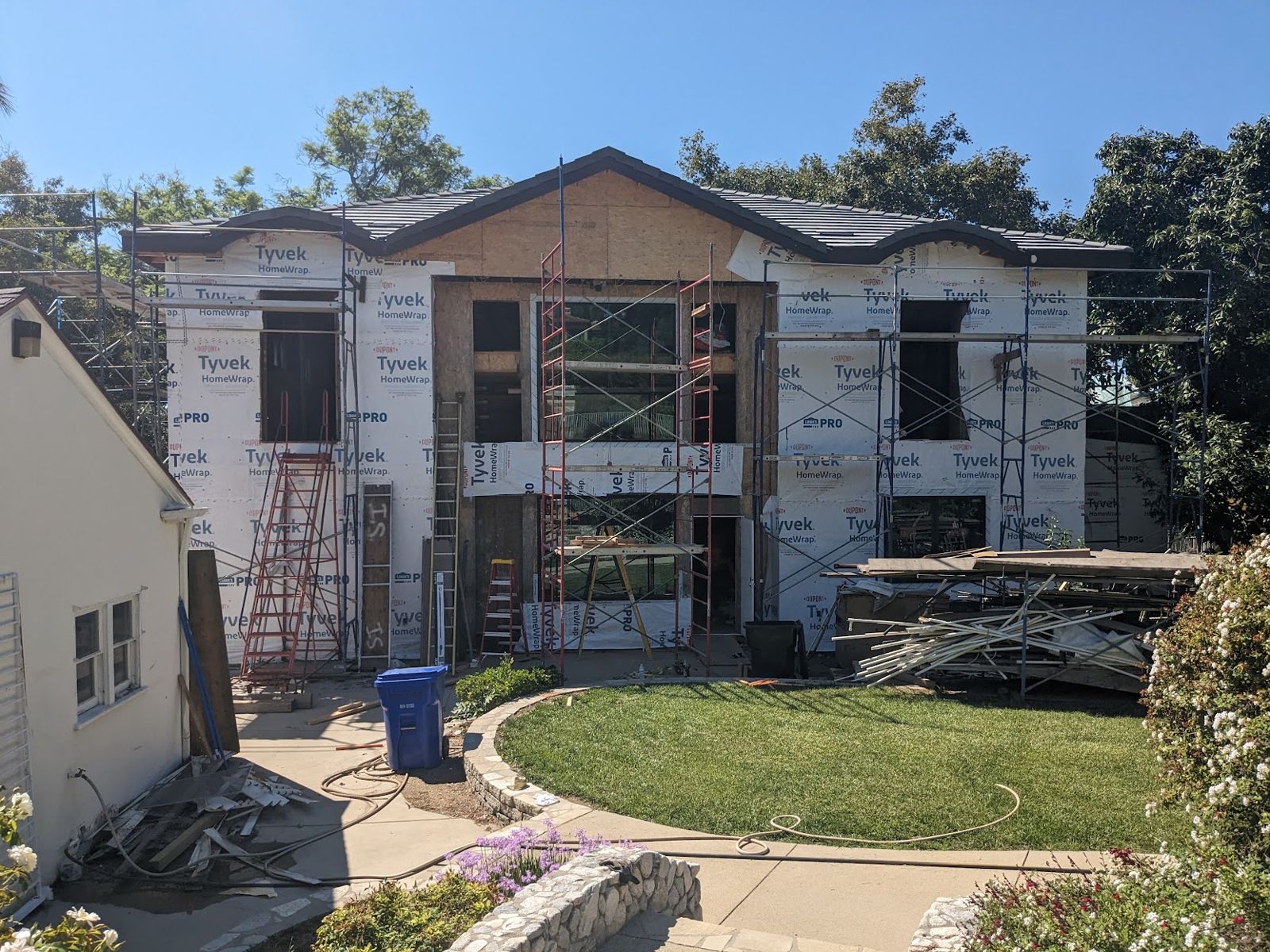
House wrap, back
-
22
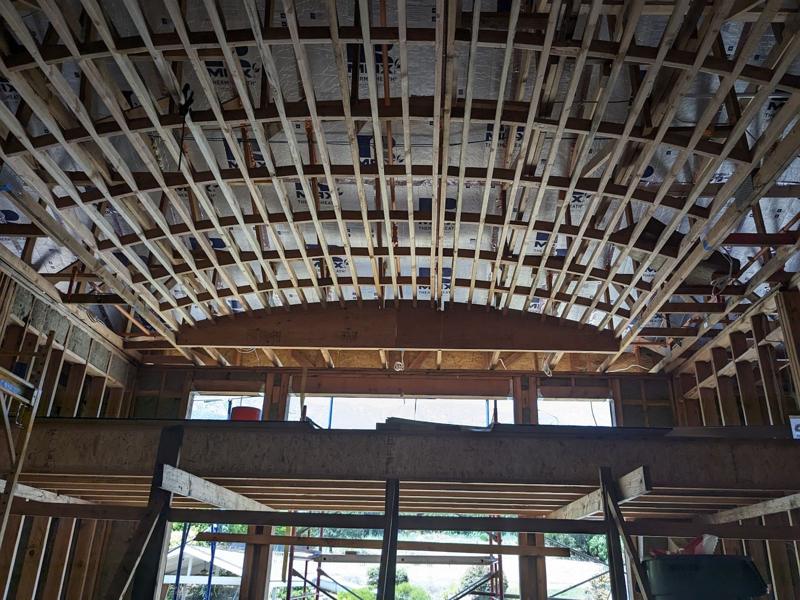
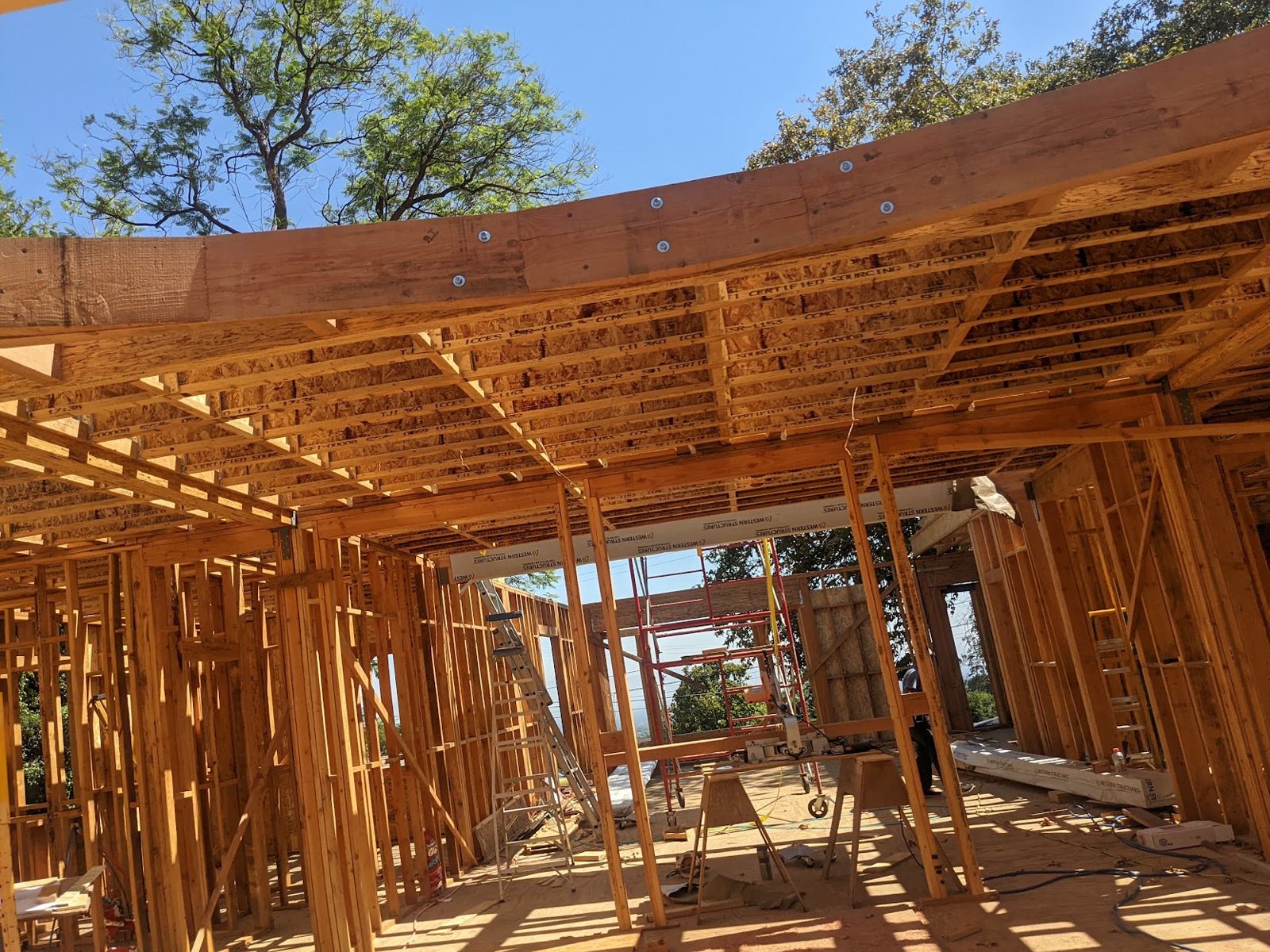
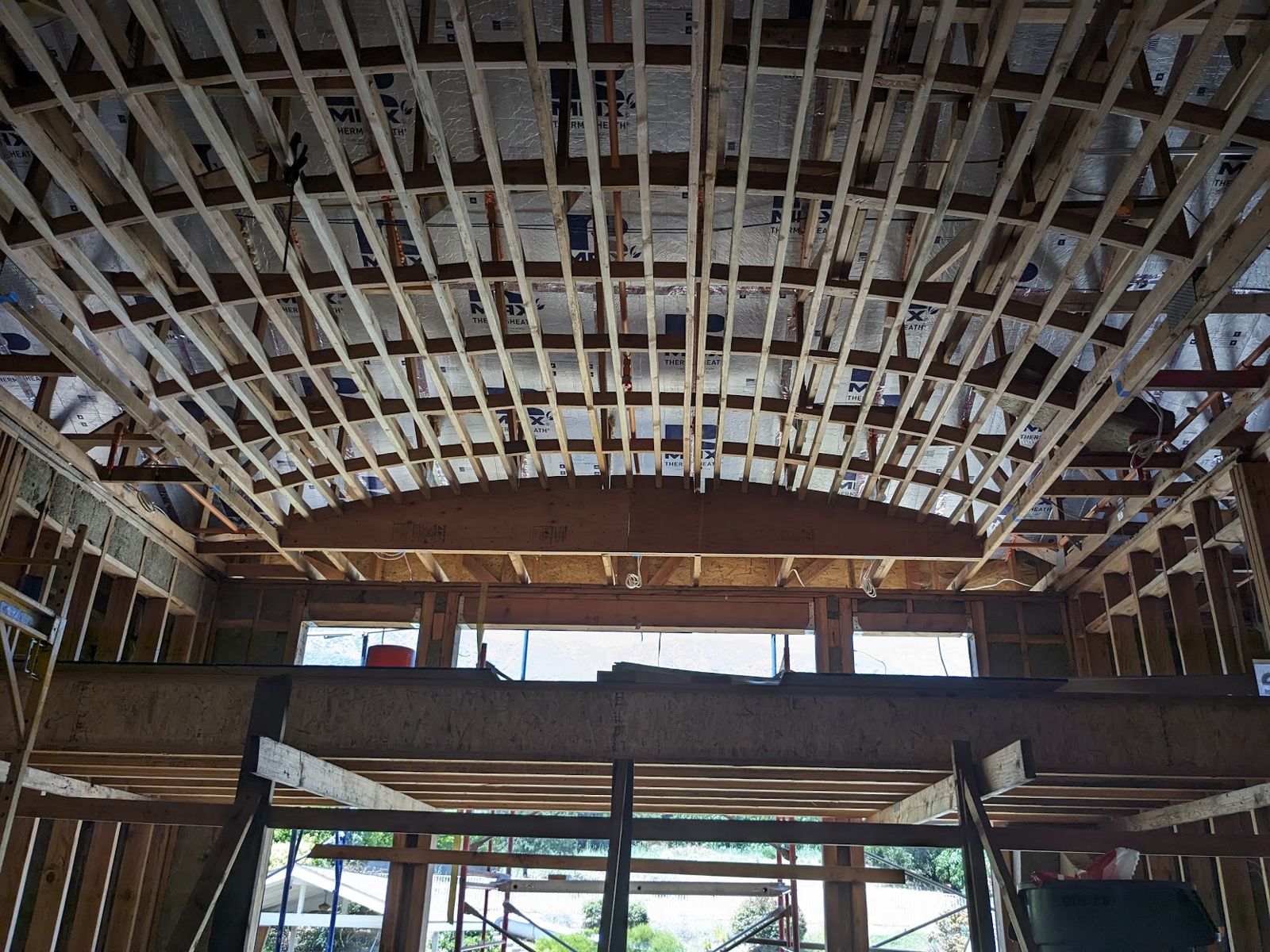
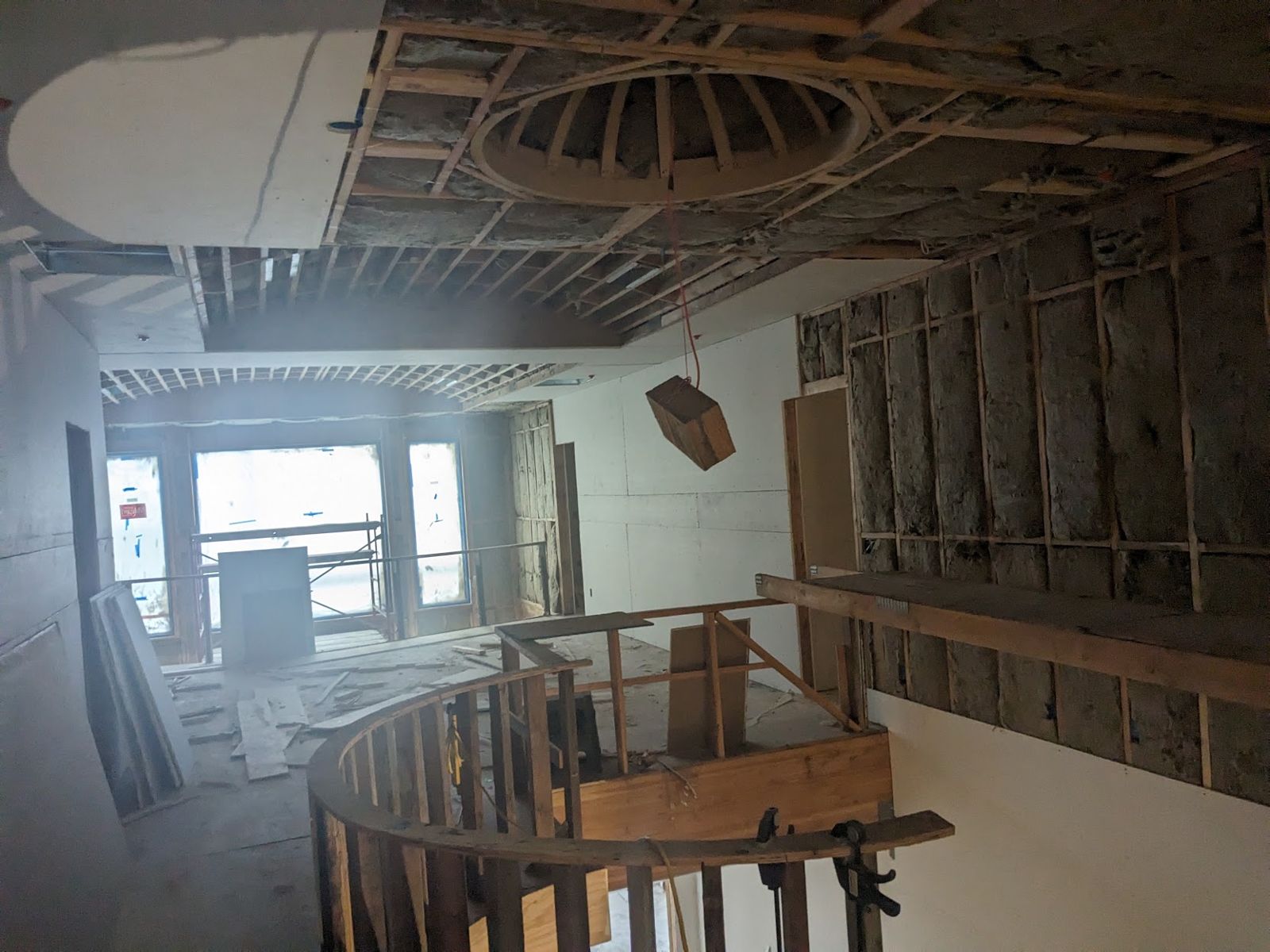
Framing for one of the barrel ceilings
-
23
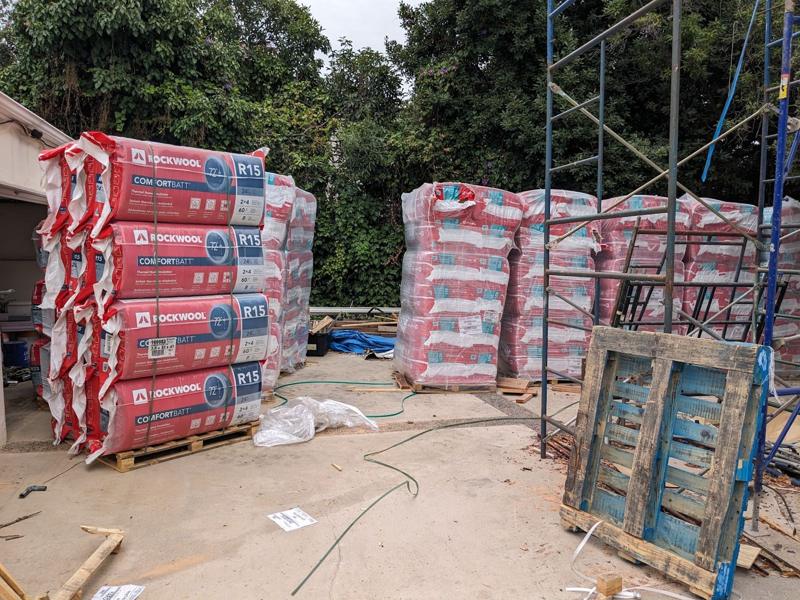
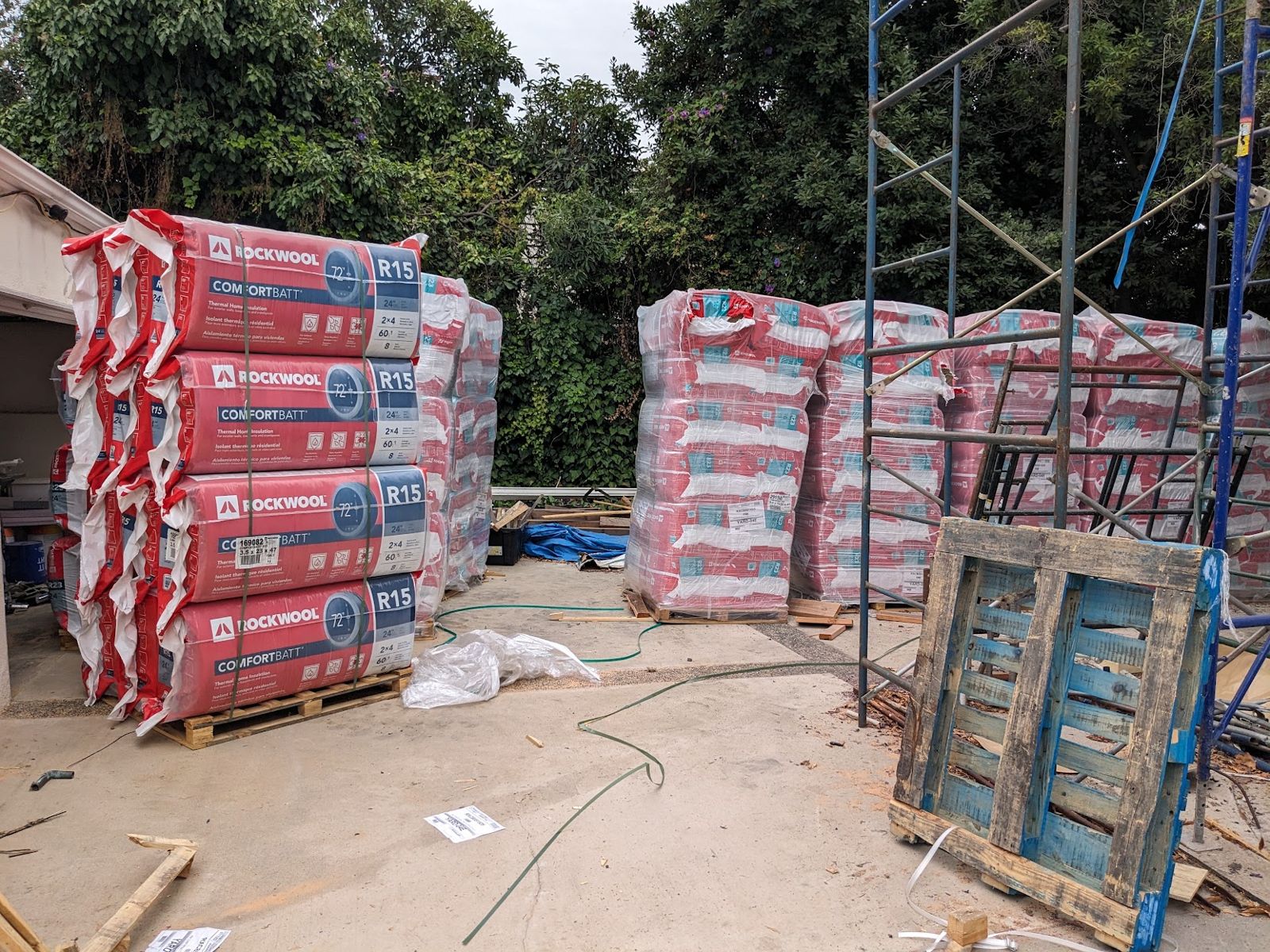
Insulation delivered
-
24
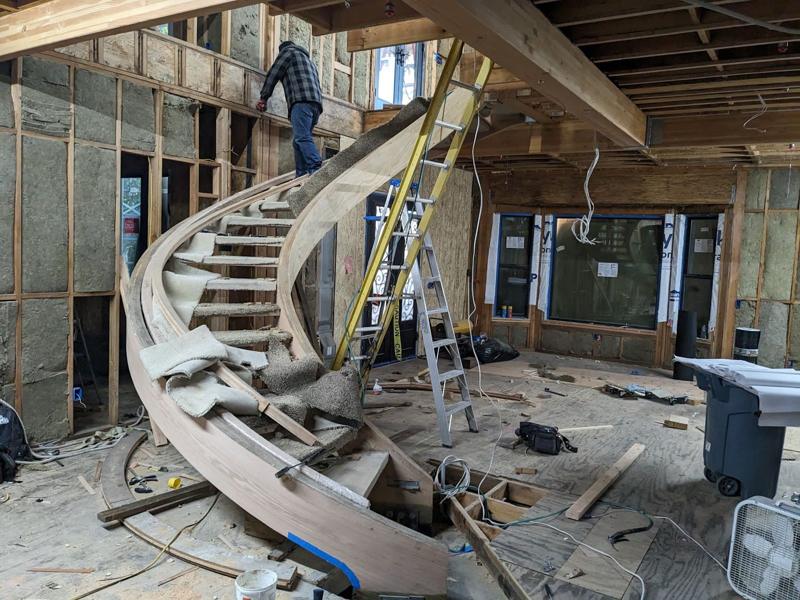
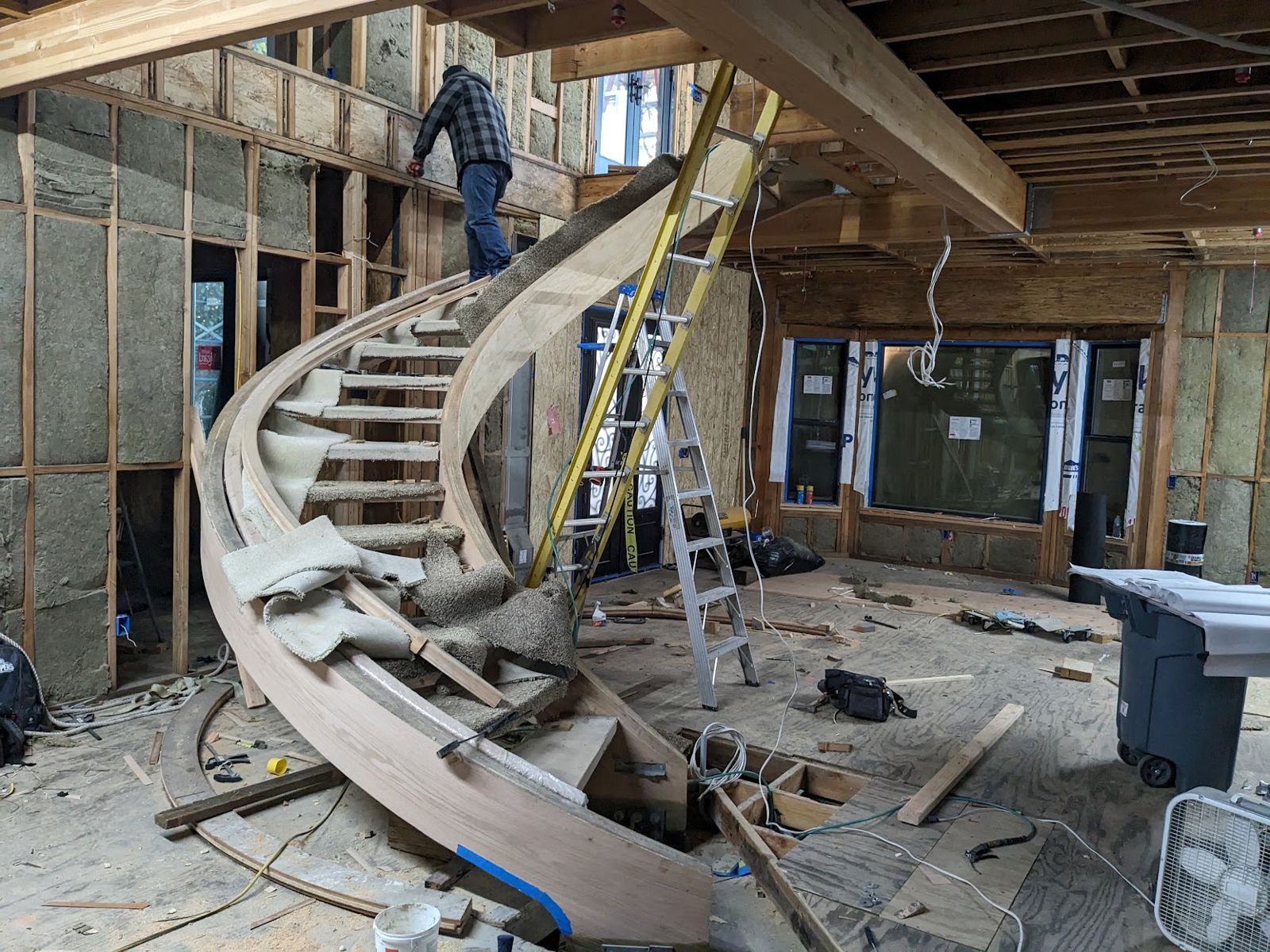
The staircase going in
-
25
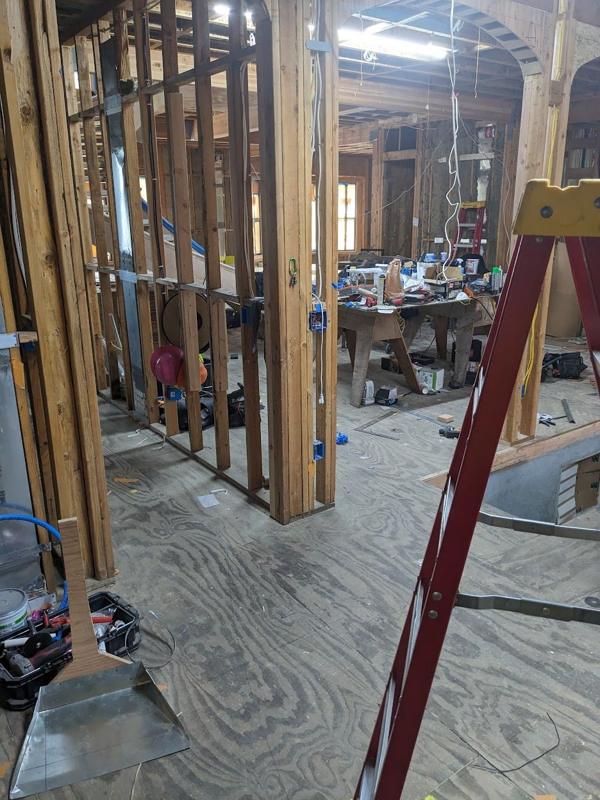
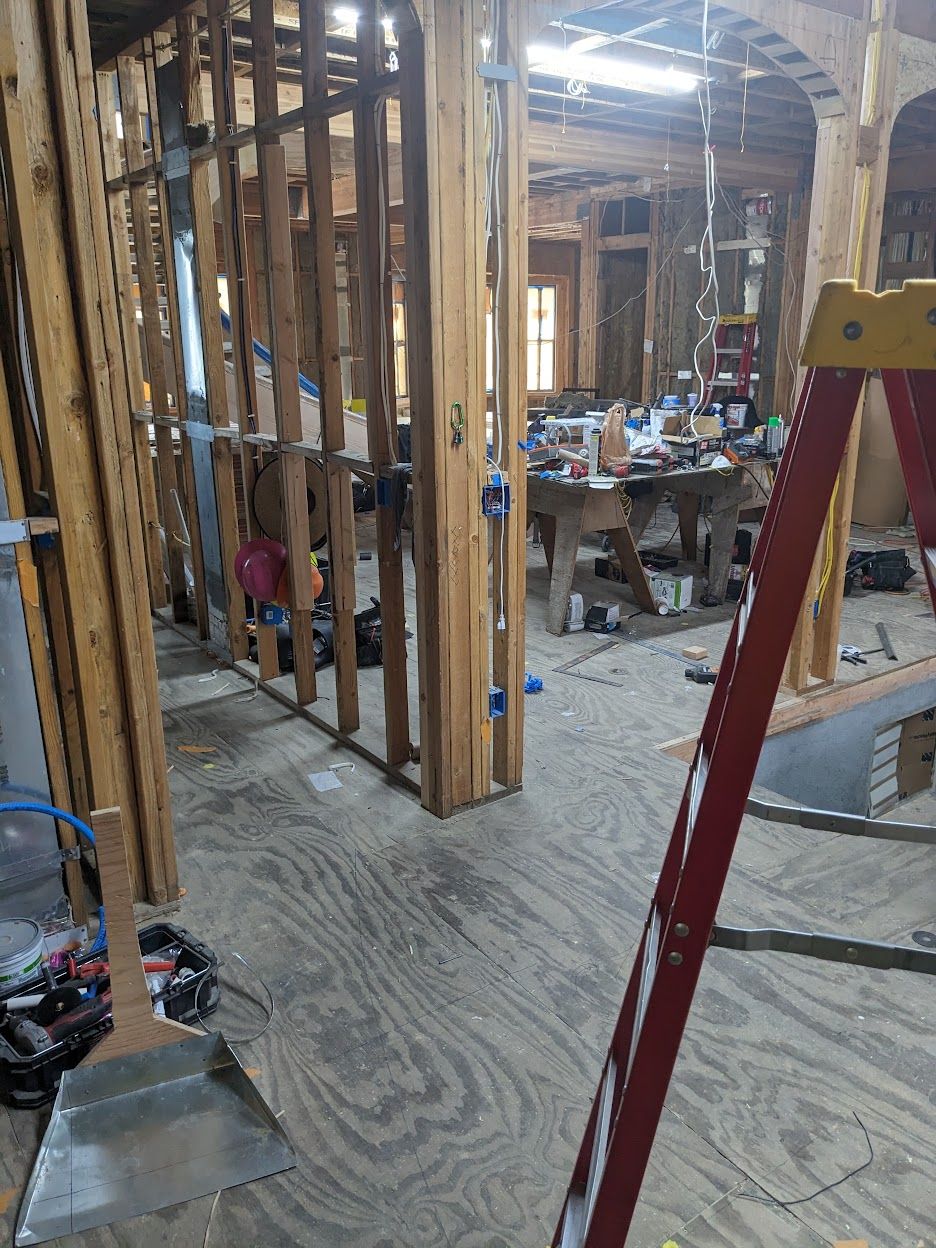
Right before drywall, so we knew what was in the walls
-
26
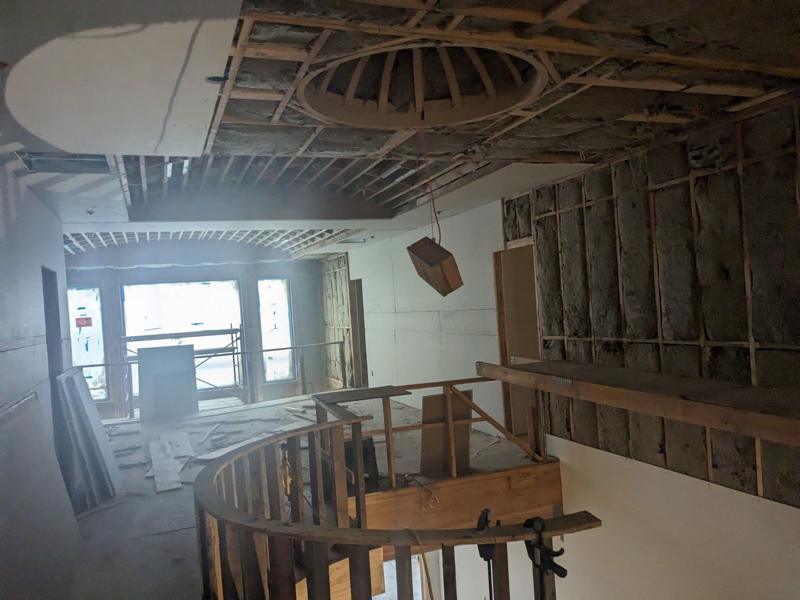
Drywall going up
-
27
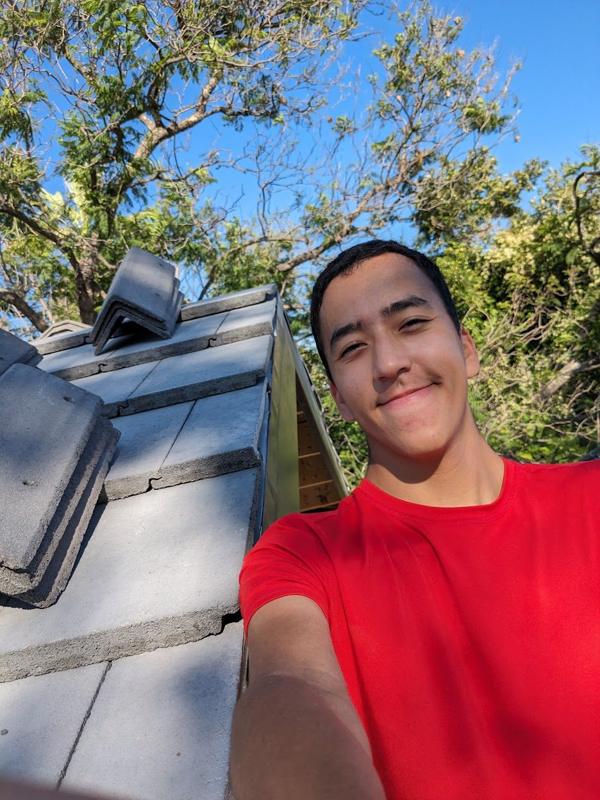
Roof tiles
-
28
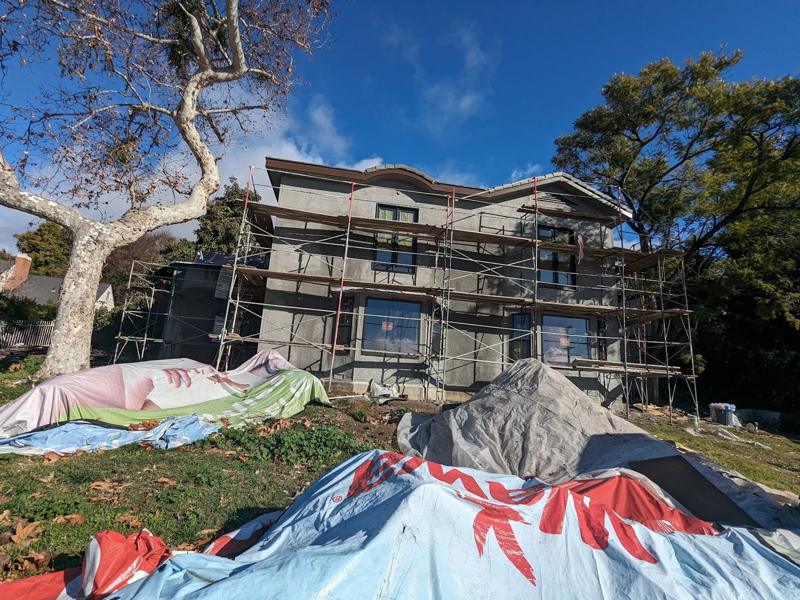
Stucco, early
-
29
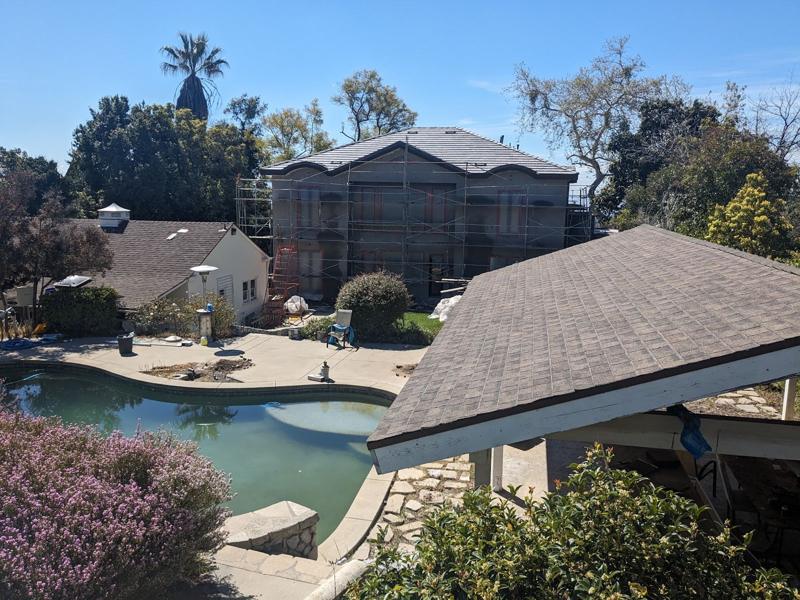
Stucco
-
30
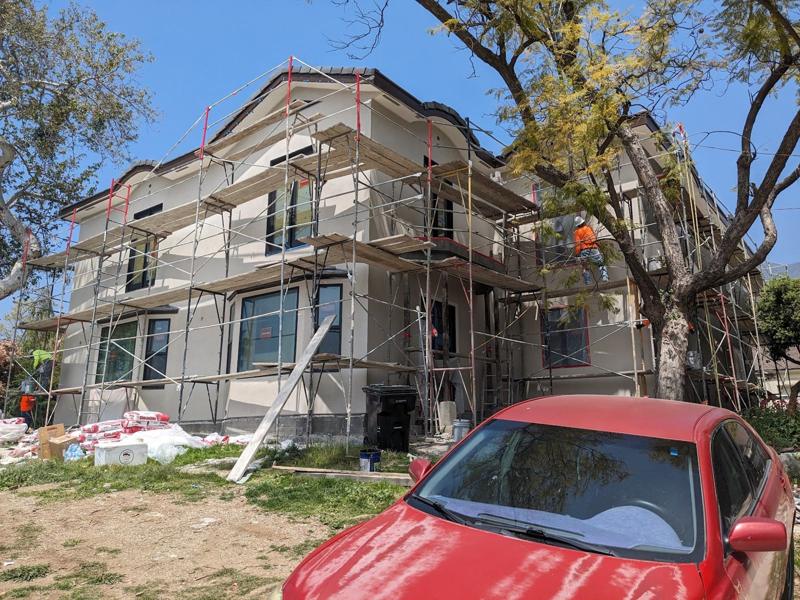
Stucco
-
31
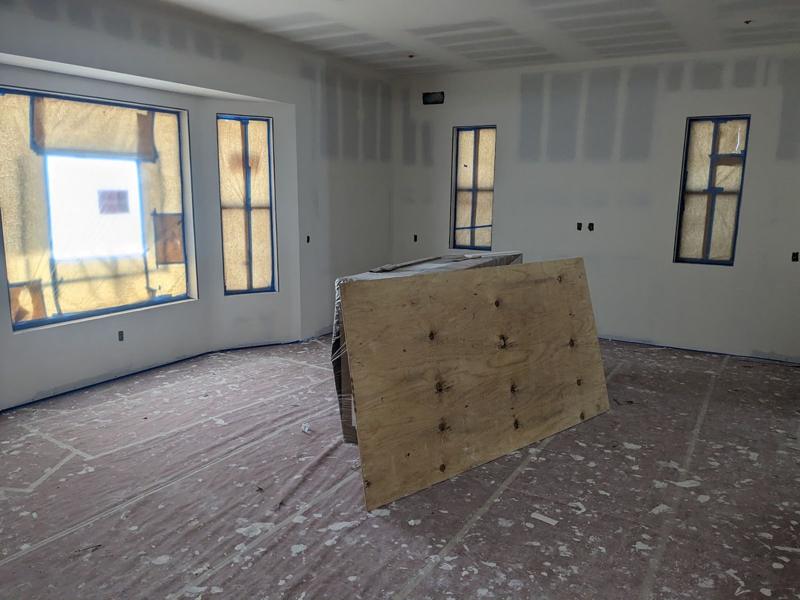
Drywall
-
32
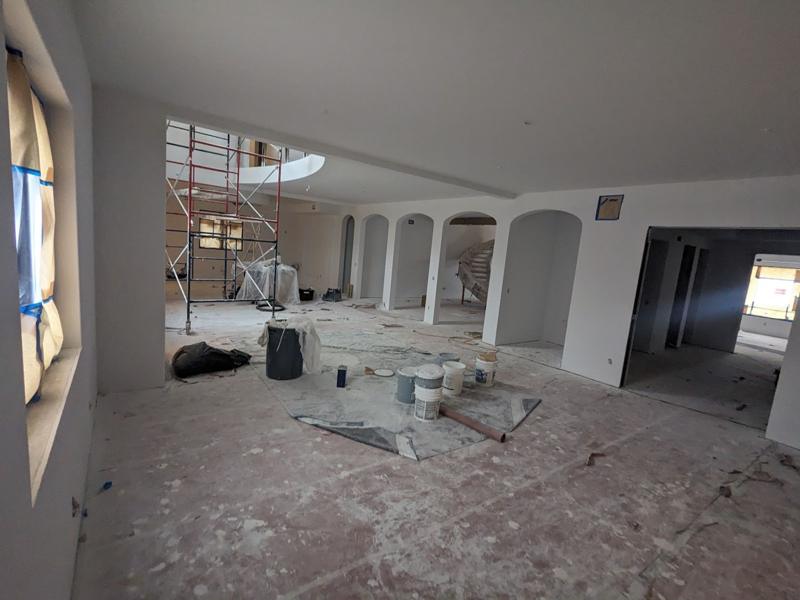
Drywall finishing
-
33
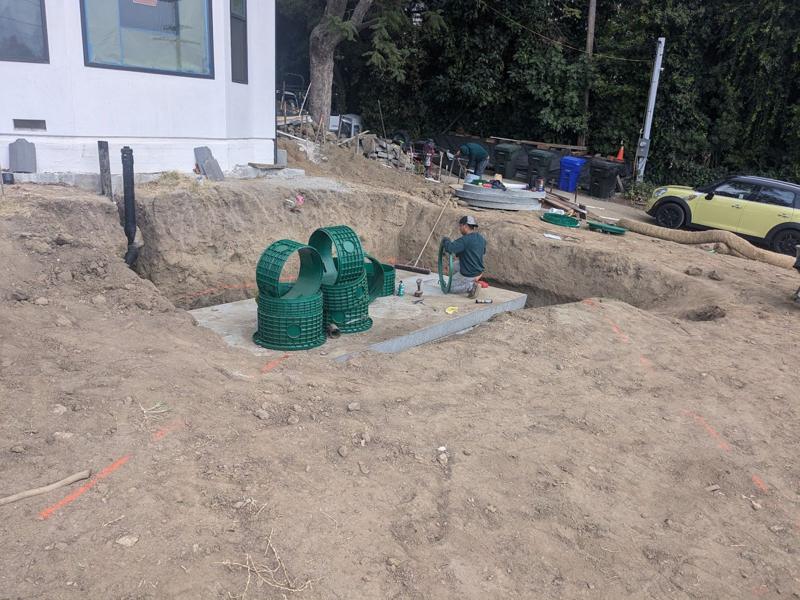
Septic tank and pits
-
34
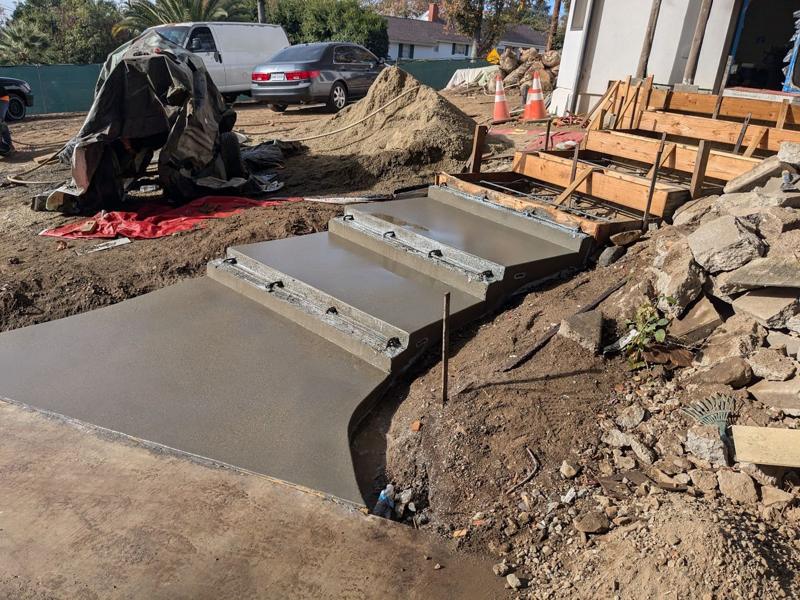
Pouring the front staircase
-
35
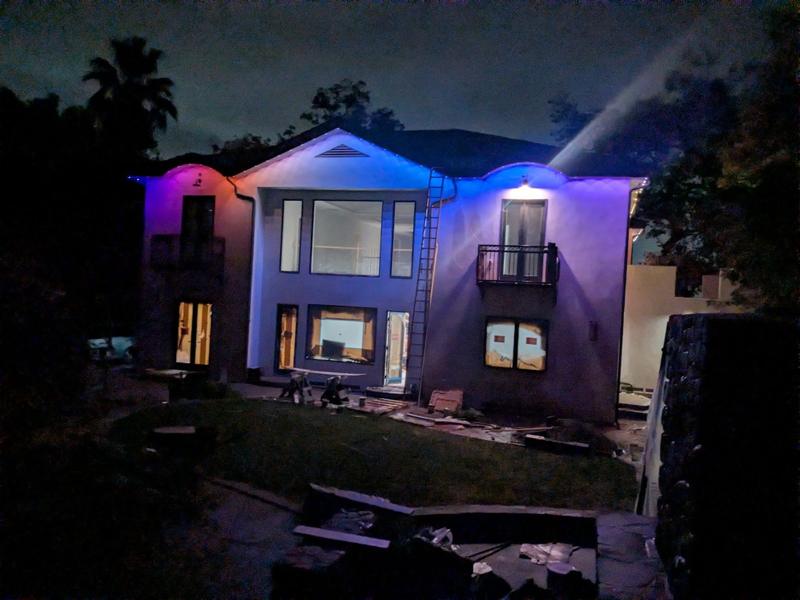
Back of the house at night
-
36
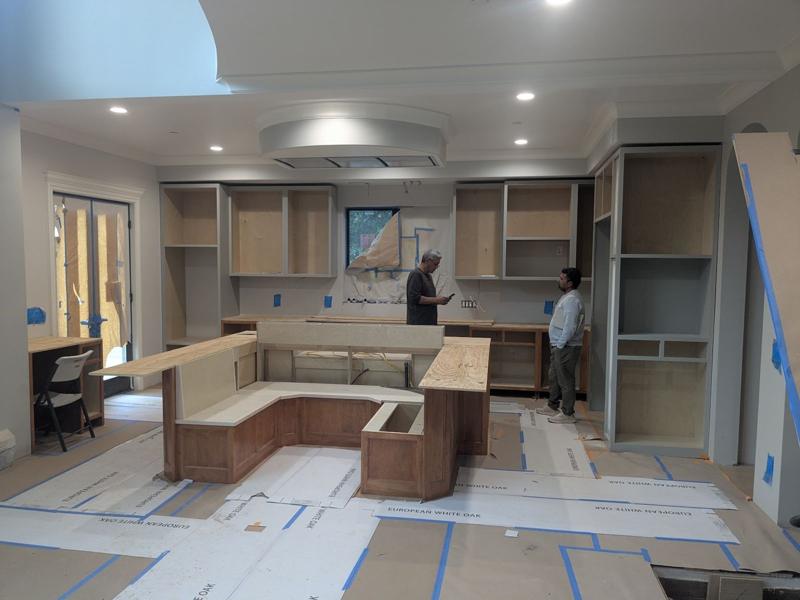
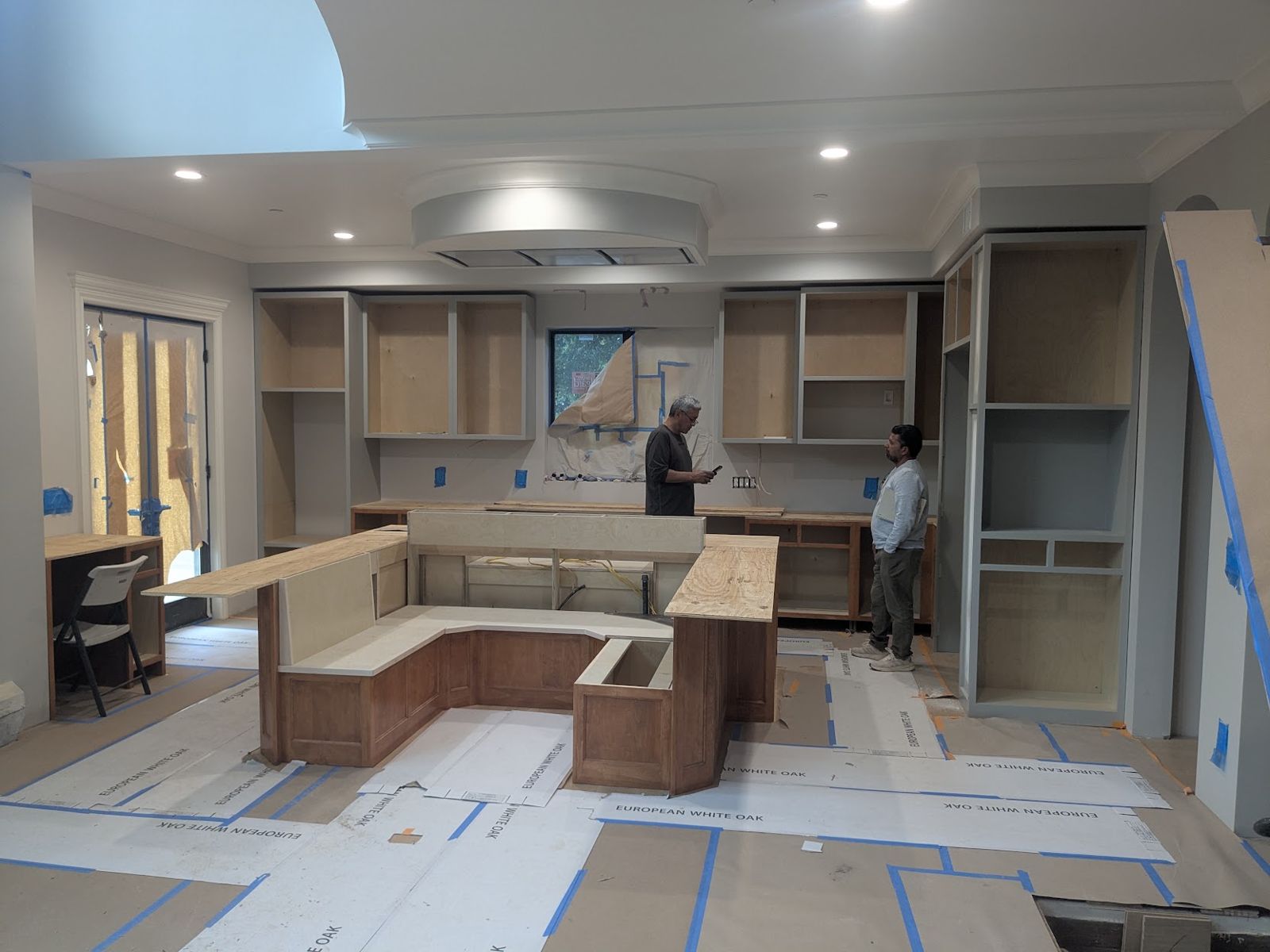
Kitchen under construction
-
37
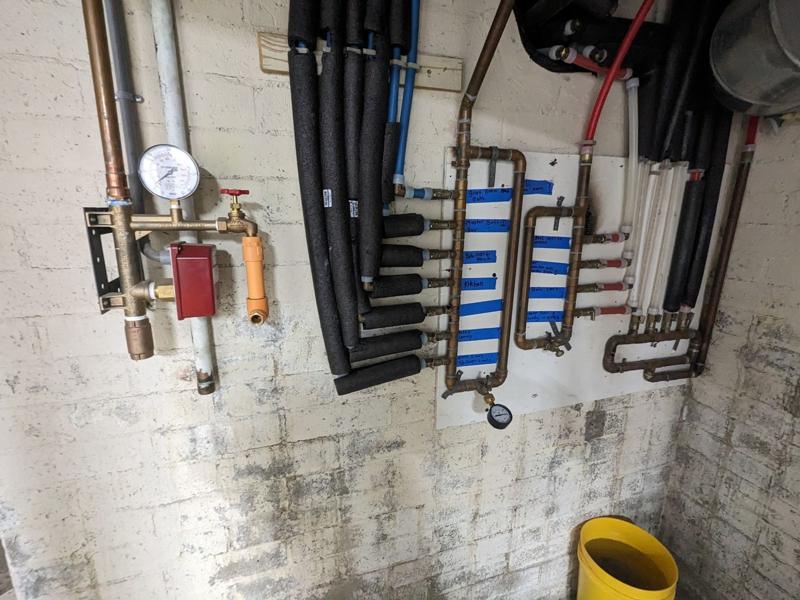
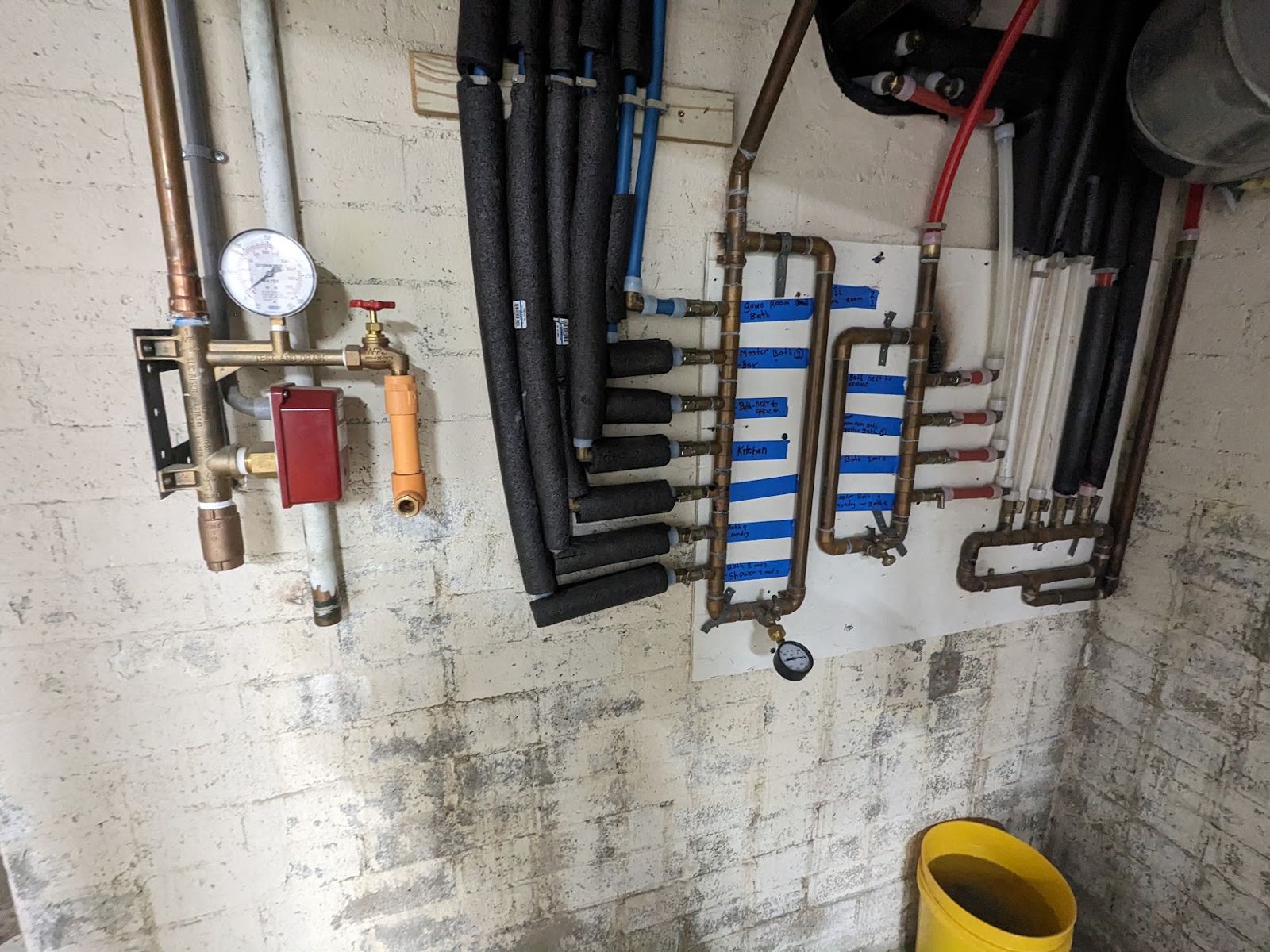
Our very clean water control room
-
38
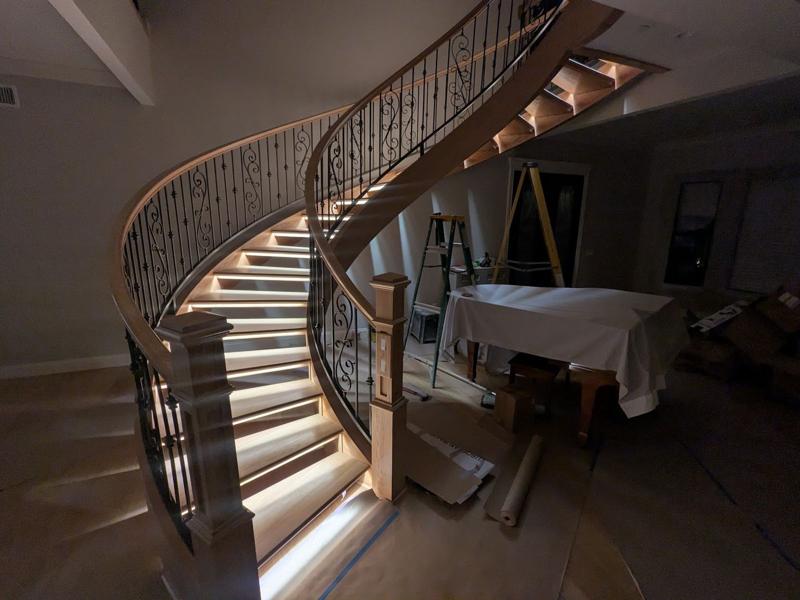
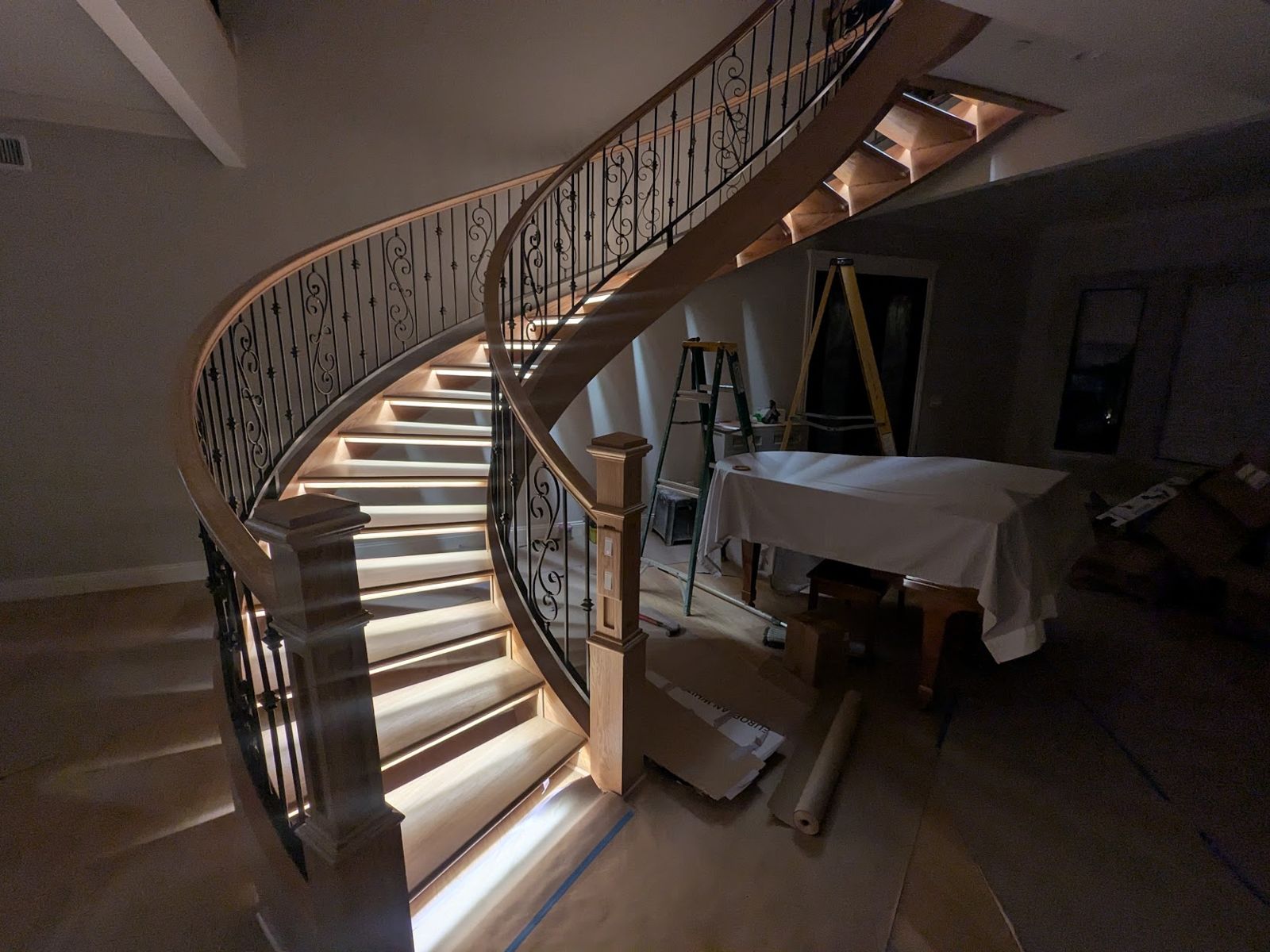
The staircase
-
39
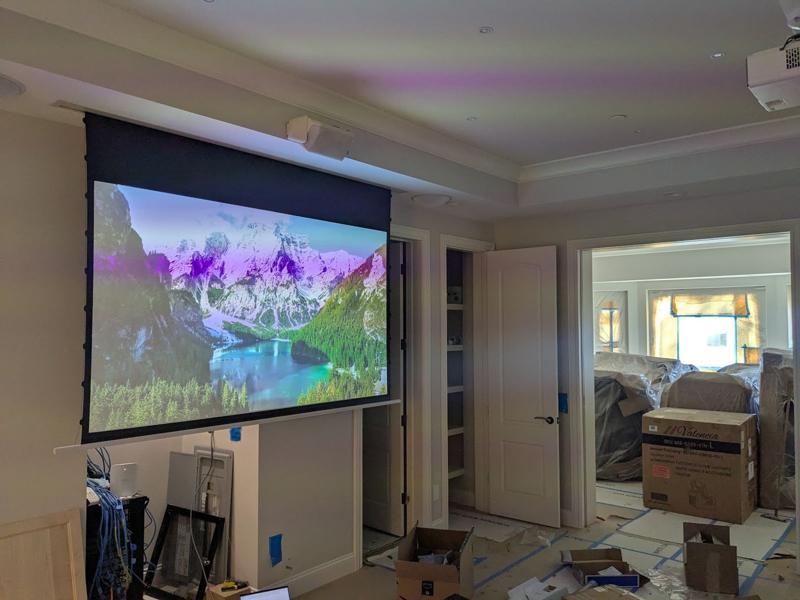
Drop-down screen in the movie room
-
40
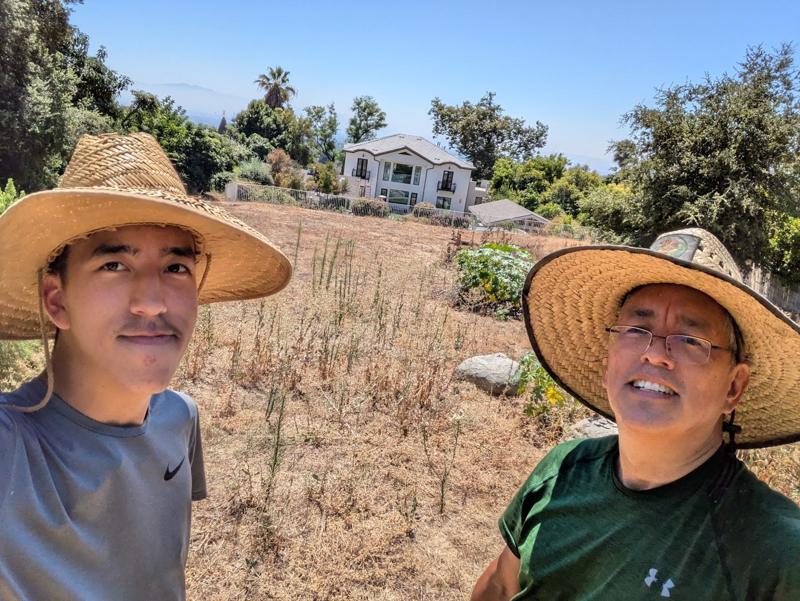
My dad and me in the back lot during construction
-
41
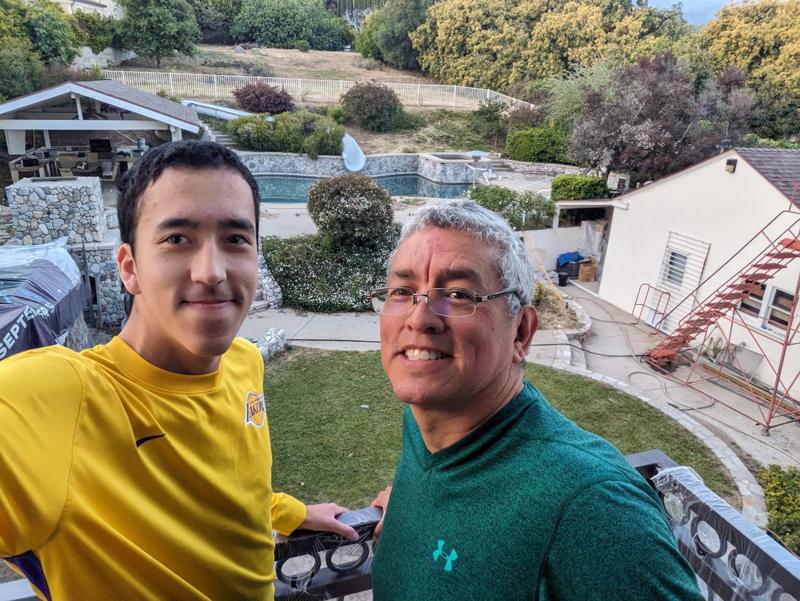
My dad and me on the balcony right after we installed it
-
42
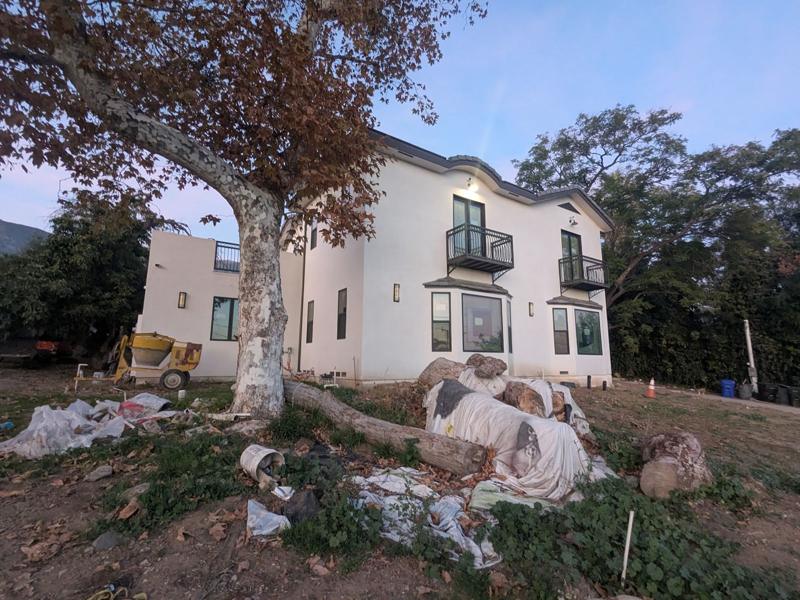
Nearly done
-
43
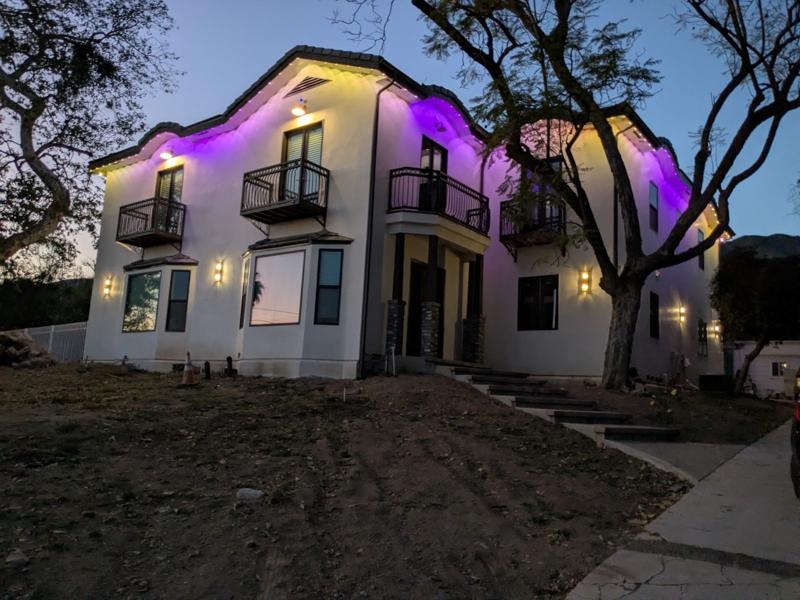
In Laker colors
-
44
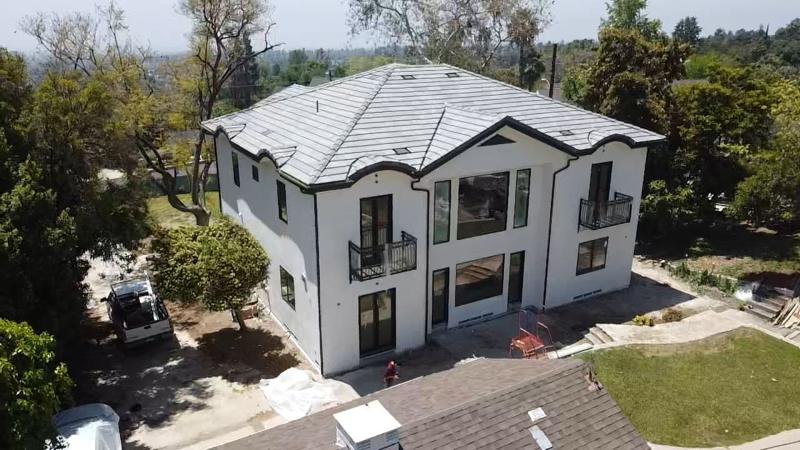
Drone shot
-
45
Drone shot
Cars and equipment
High school, with my dad
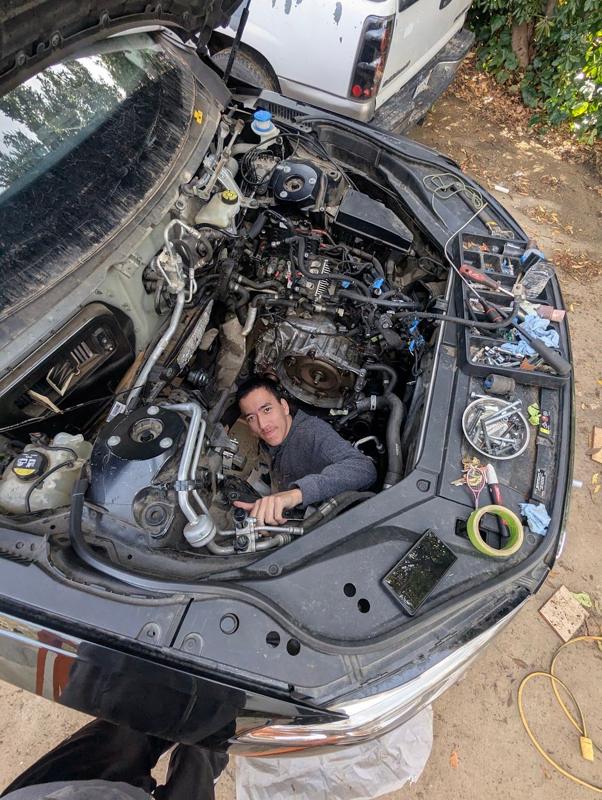
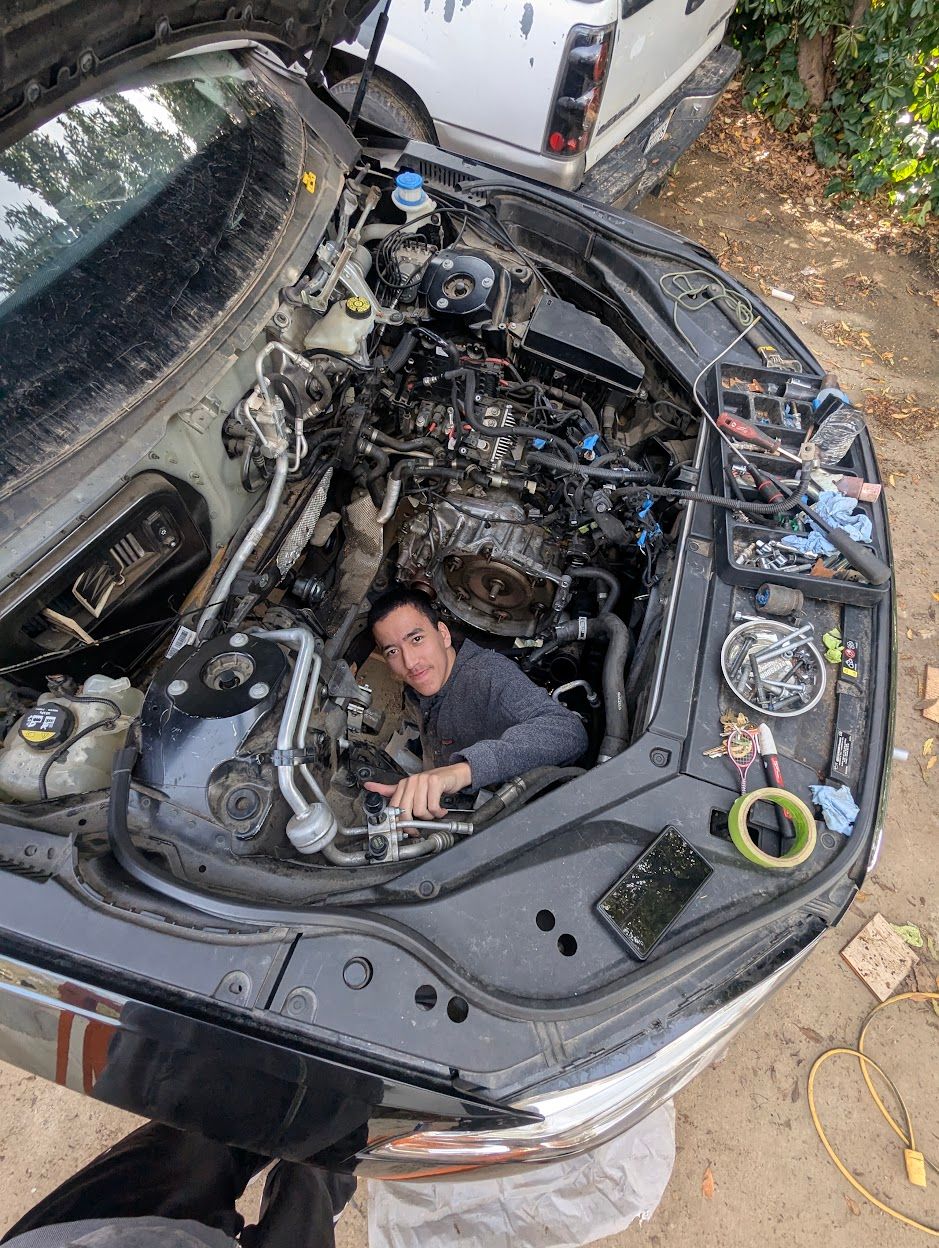
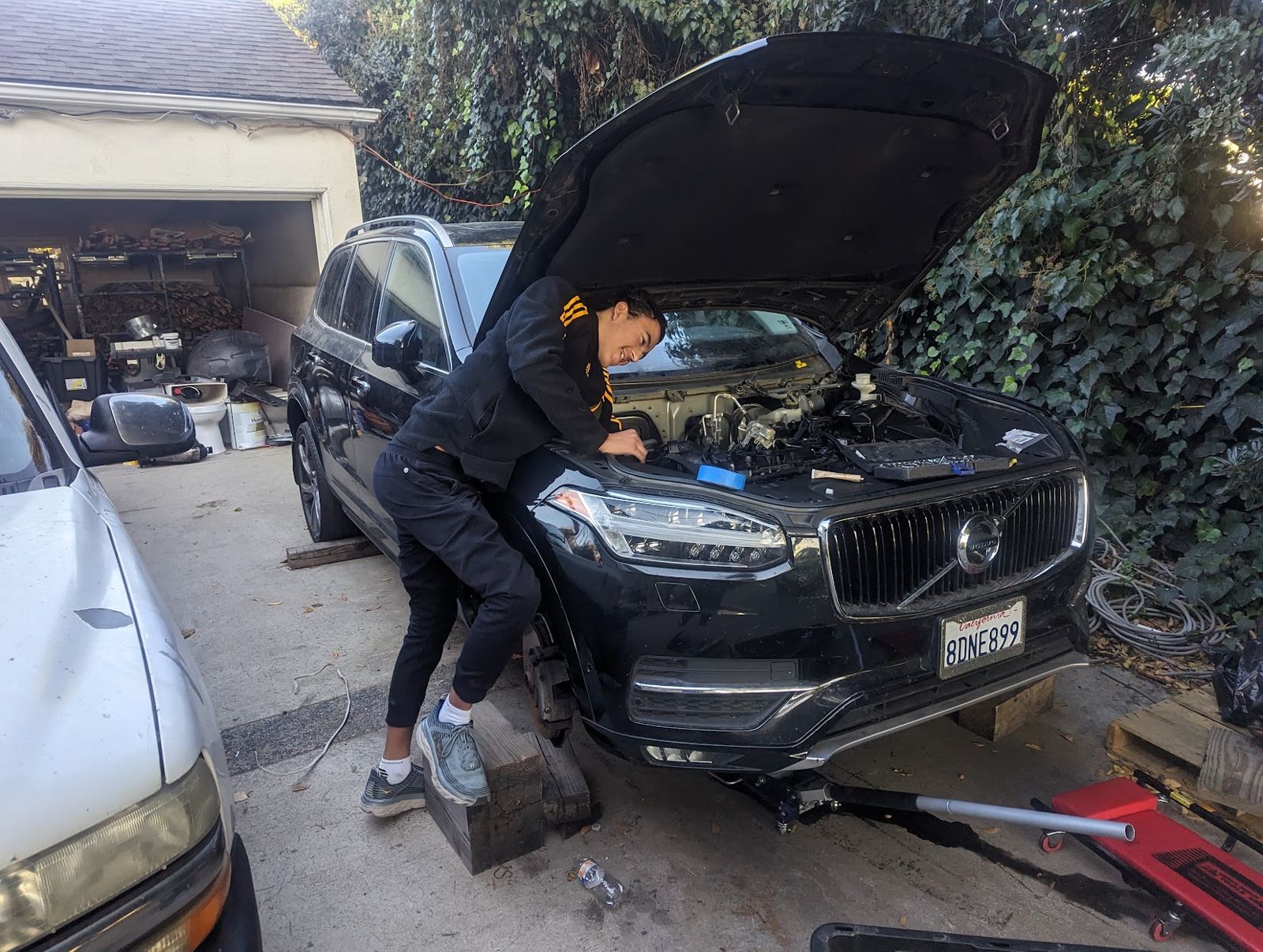
I don't have a ton of time these days, but when I had time I loved working on cars. I learned a lot about following processes and overall just working with my hands, troubleshooting, and so on. We did a few cars like this over my high school years as we all came of age to drive.
Volvo XC90
My car. It was my mom's old car, but she ran it without oil, so we changed the engine and I got it.
BMW X4
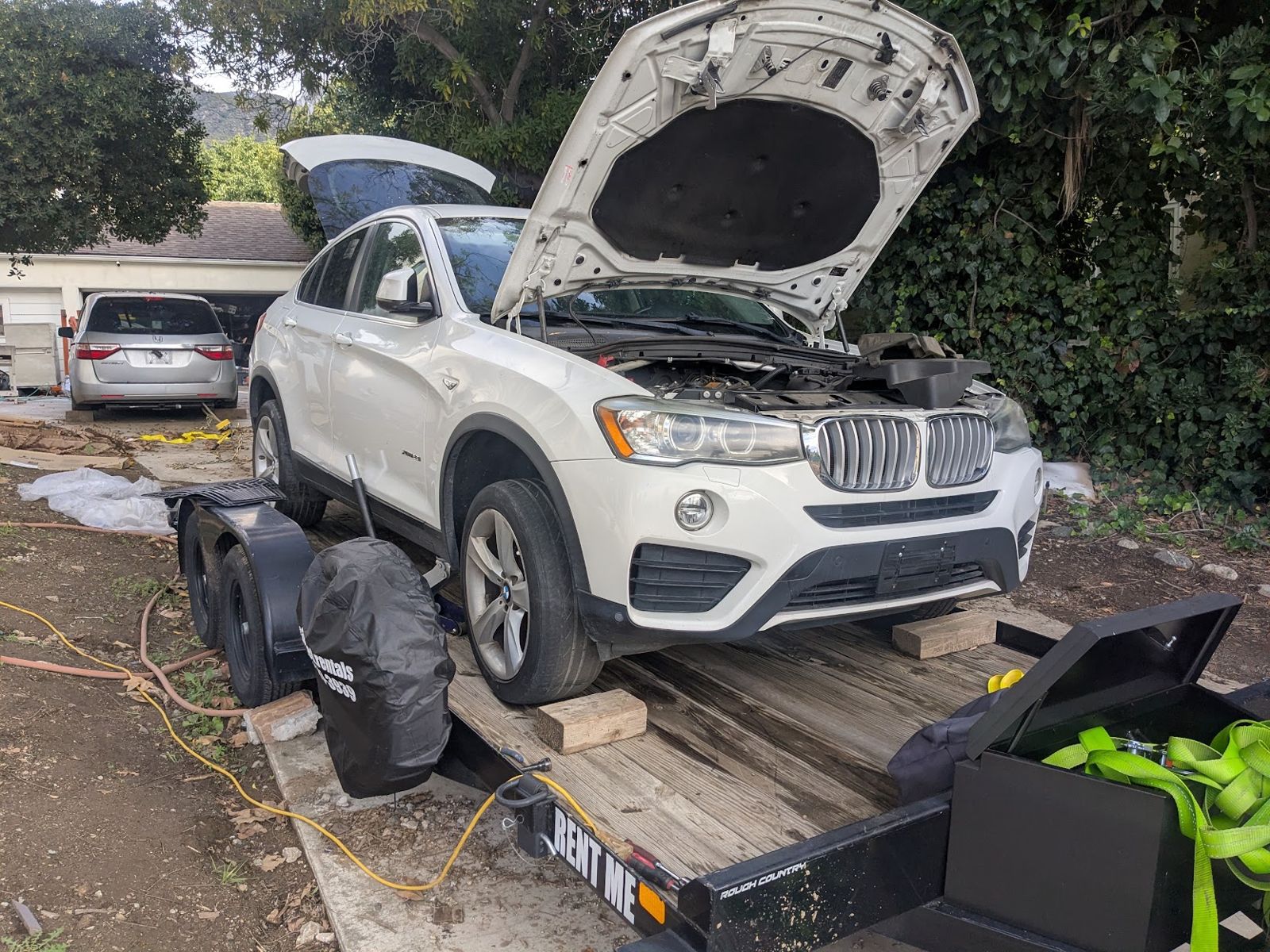
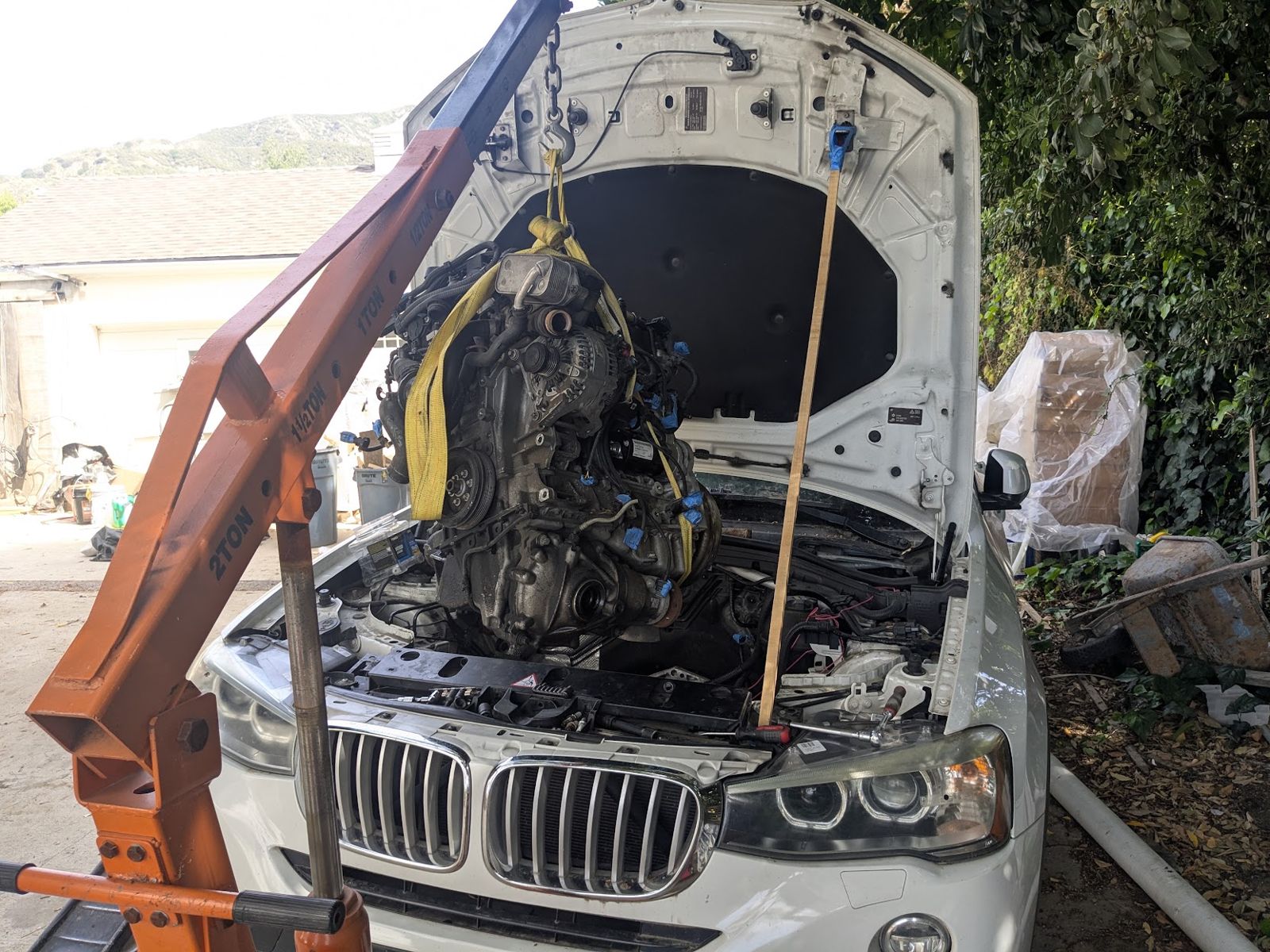
My dad and I bought it from Copart for about $5k and changed the engine to give it to my grandma.
Mini Cooper
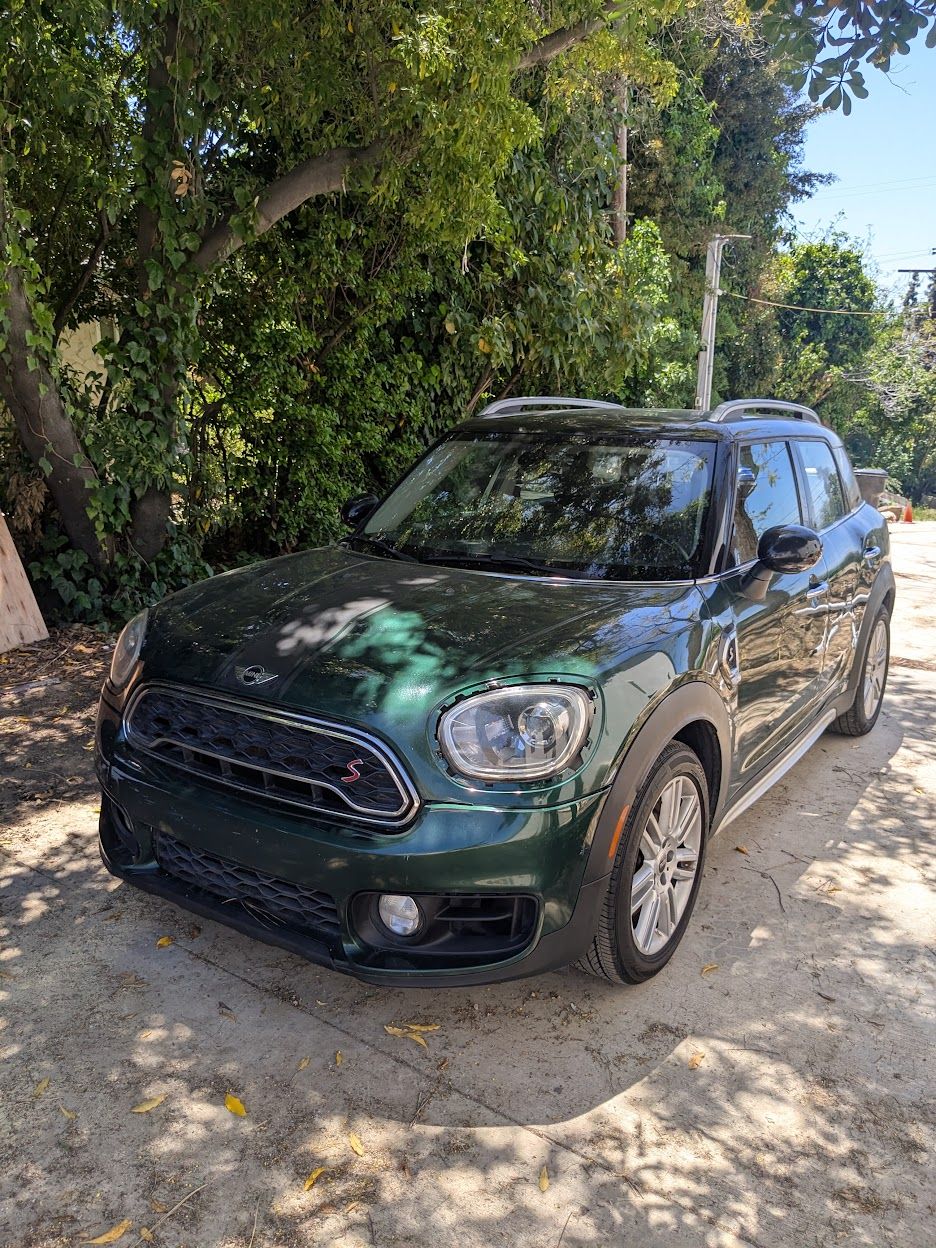
Got it on Facebook and changed the turbo for my brother.
Bobcat skid steer
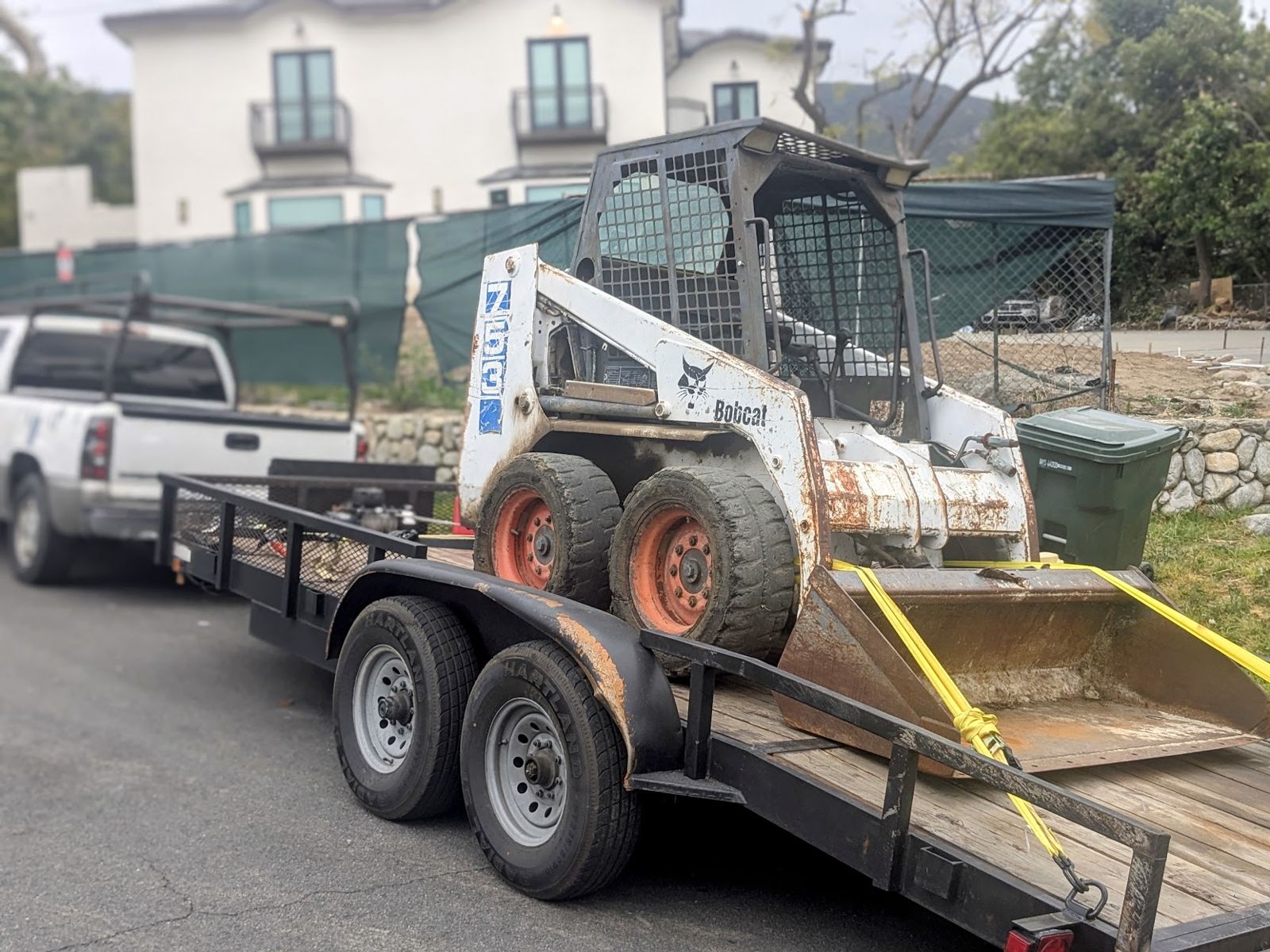
We bought it cheap on Facebook and fixed it.
Law firm server
Summer after freshman year
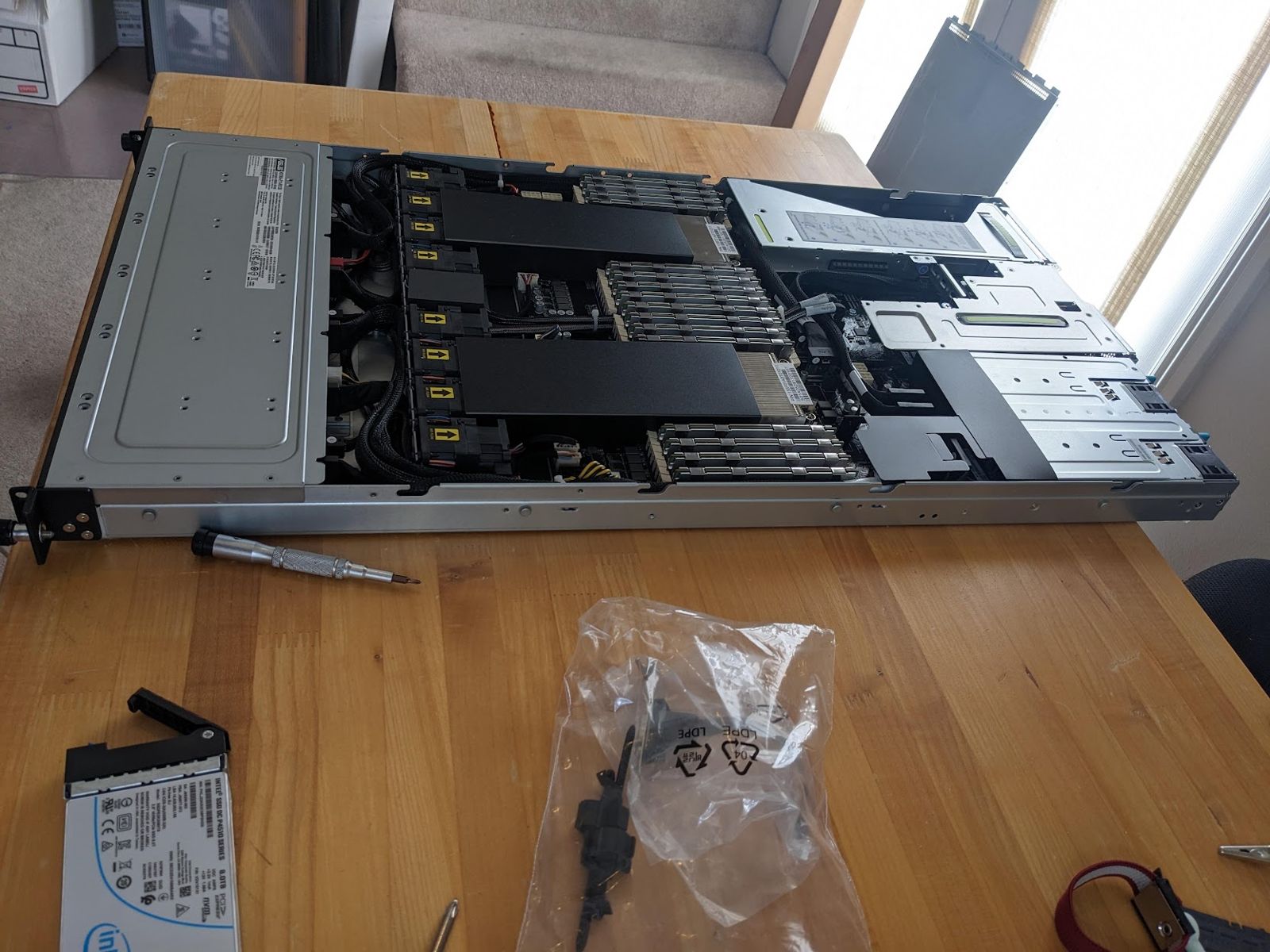
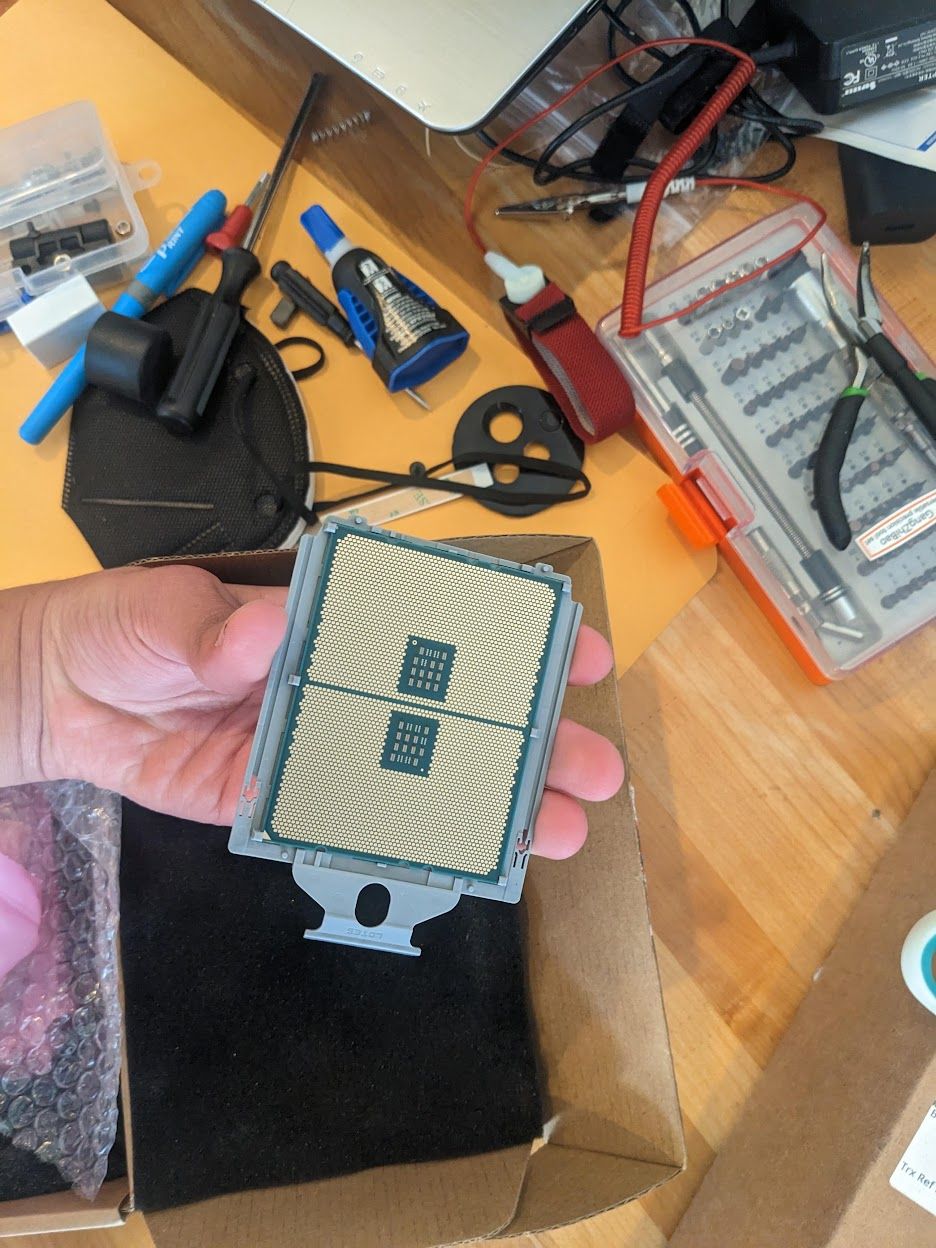
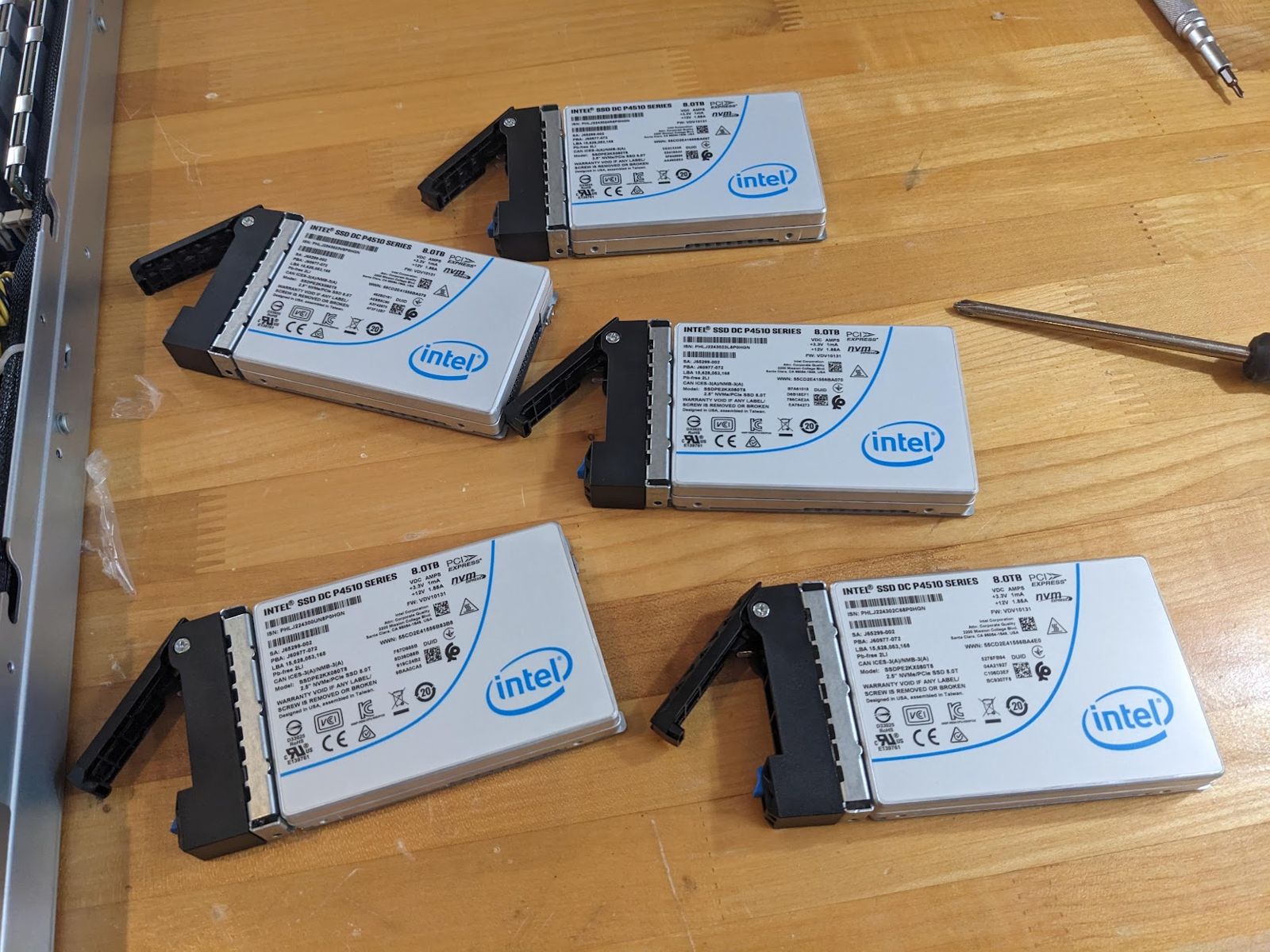
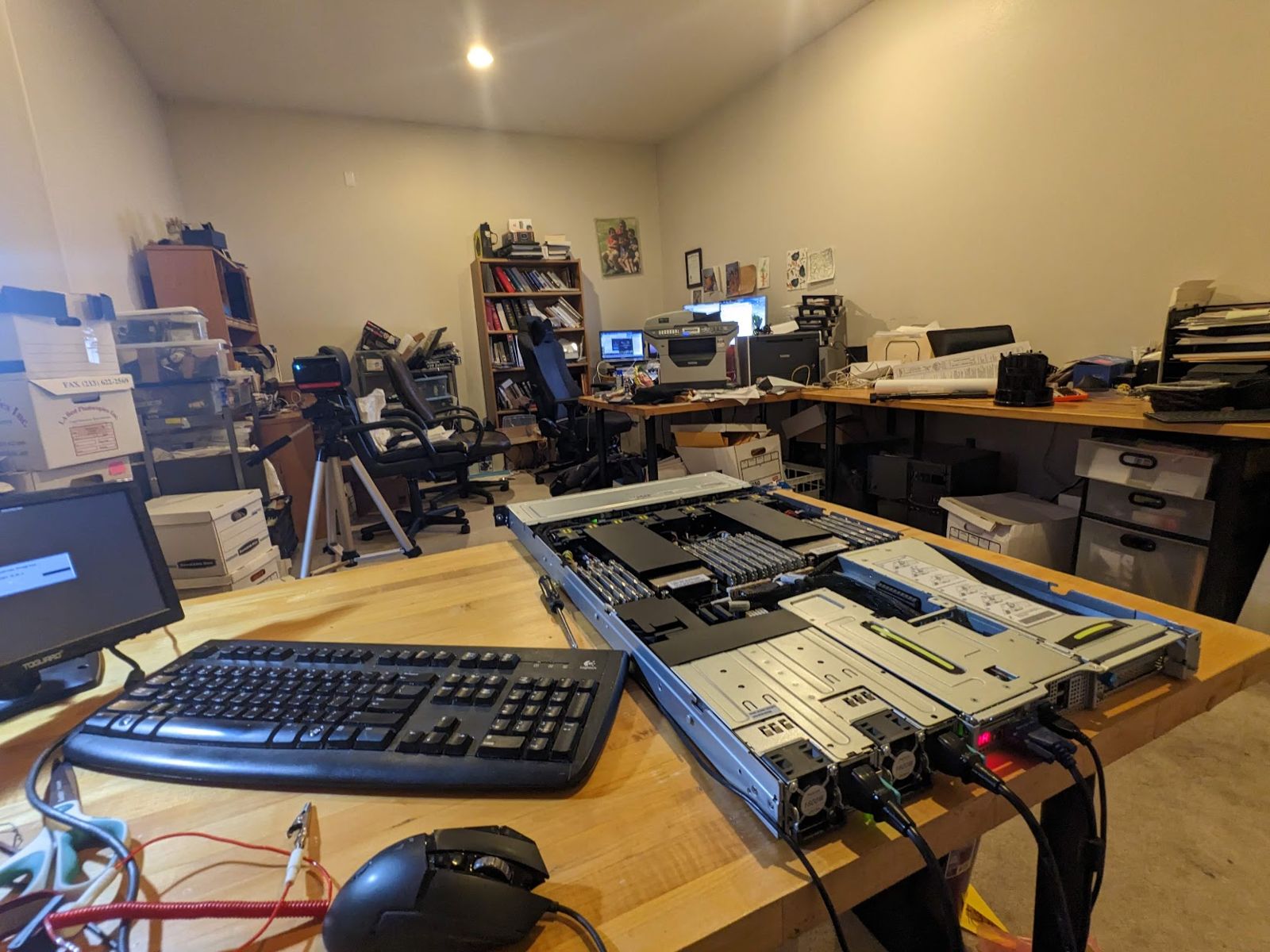
I built a server for my parents' IP law firm. It runs virtual machines for staff to do their admin and accounting work, and it's still running to this day.
People I've learned from
- Hossein Yazdi and Sadegh Tabatabaei
- Dorna's founders. Hossein is our CTO and Sadegh is our CEO. They're brothers. They let me join their company at 15, let me take on real responsibility, and let me grow next to them and the company. I've learned so much about startups from them: robotics, business, sales, rejection, success, failure, balancing school and work, and now my own company. I can't emphasize enough how much I respect them and have learned from them.
- Scott Stoltenkamp
- Taught me machining at Urban Workshop. Machining partially led to my second robotics team and my first job, though I think my dedication and work ethic were probably the main thing.
- Jake
- A mentor at Urban Workshop who taught me more advanced CAD.
- Jerry
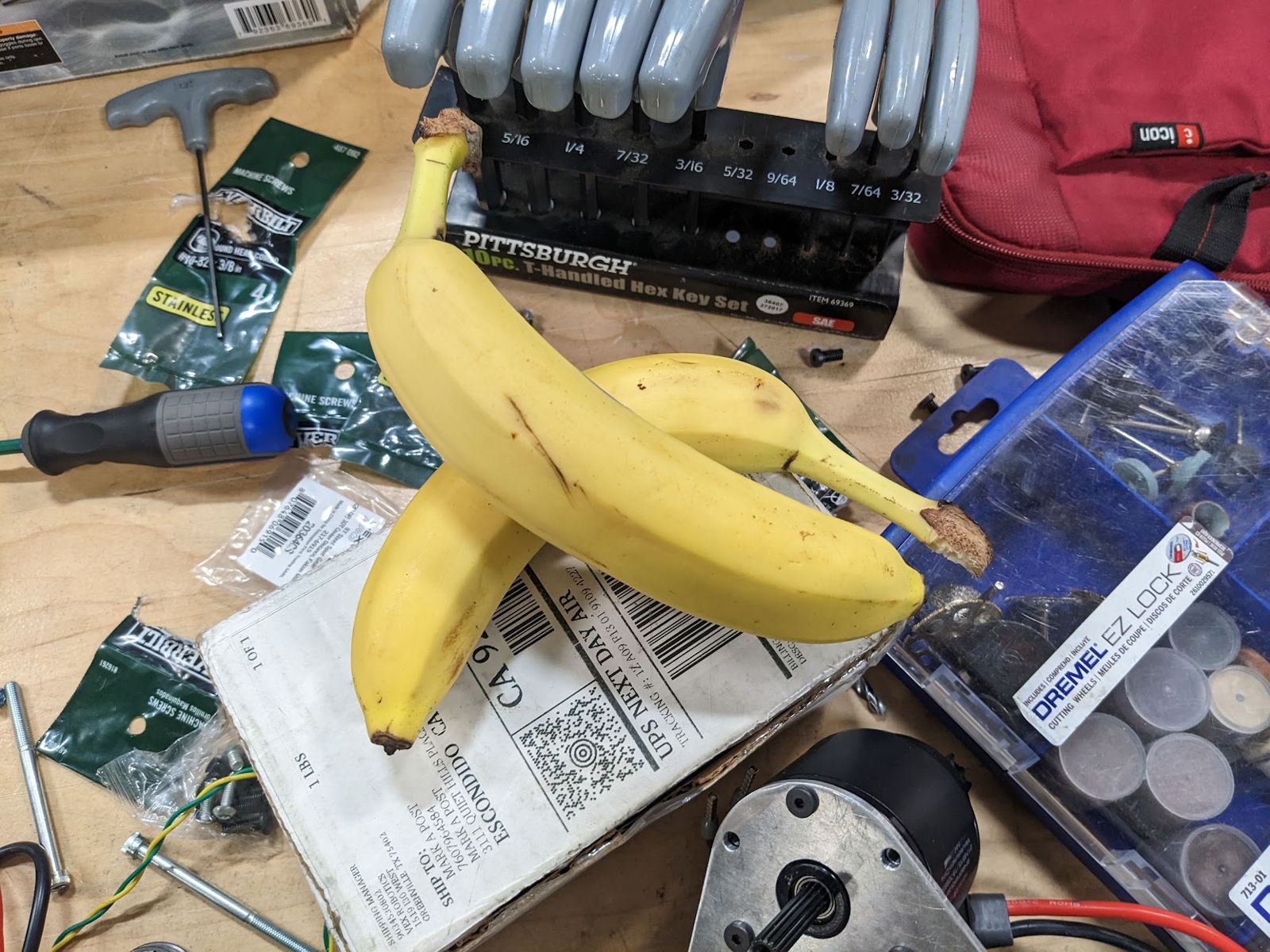
- An older gentleman who gave us bananas on Sundays. He's not an engineer, but just talking to people with experience in life you learn so much.
- My dad
- The owner-builder of our house, and my partner on every car.
Contact
- GitHubA lot of my work is in private repos, and some was pushed through coworkers' accounts because of how we used to do development.
- Get Real
- Dorna RoboticsMore of our videos are on YouTube.
- EnableTech